
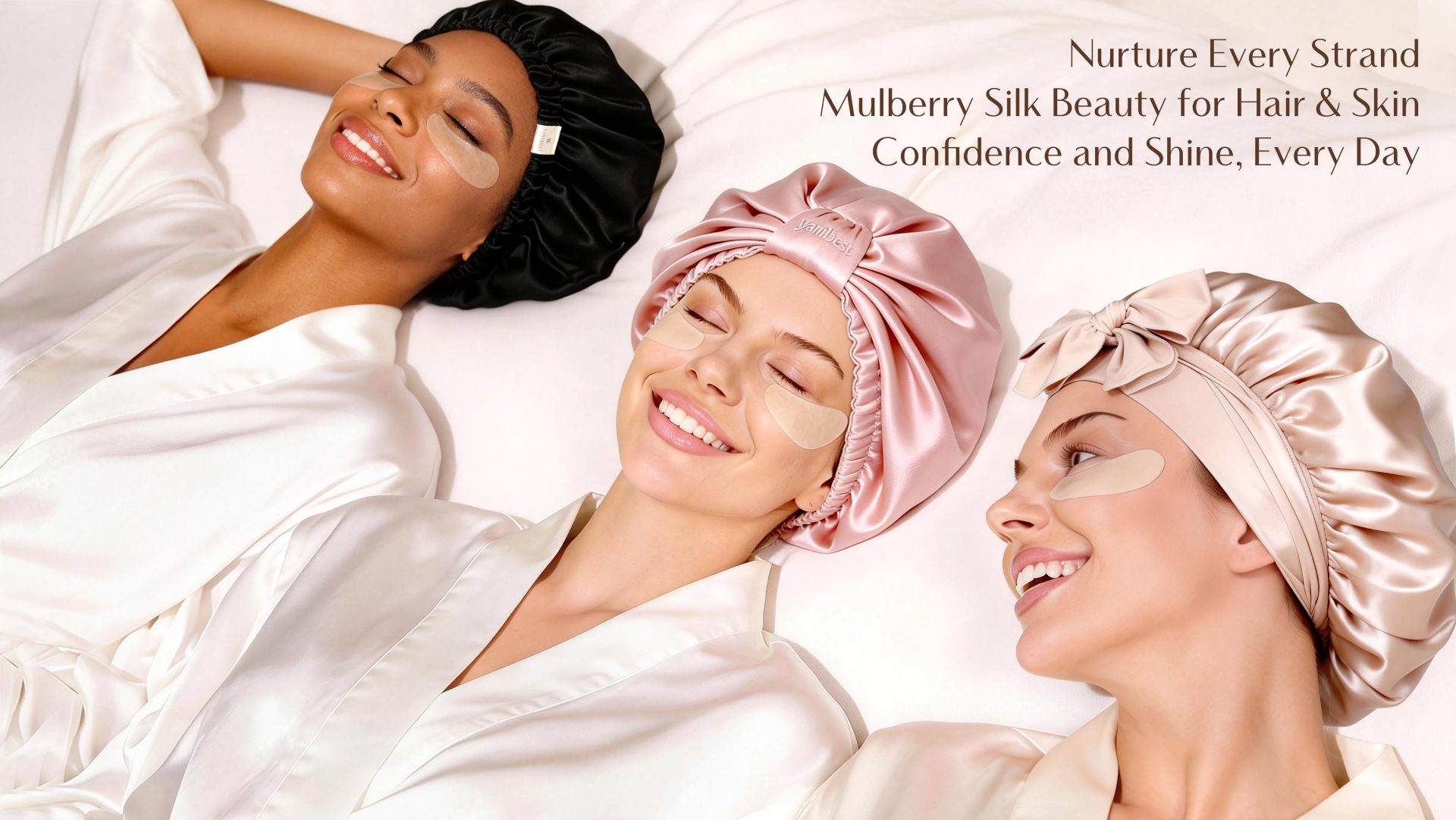
The problem: fragmented sleep from light and scalp heat loss
Most poor nights come from two avoidable sources: stray light and inefficient head insulation. A sleep mask that leaves gaps or presses too hard ruins REM cycles; an exposed scalp lets conductive and convective heat escape. For many sleepers the tidy fix is a low-friction, thermally considerate cover — think a satin lined beanie — paired with a mask that blocks light without crushing facial soft tissue. This is a systems problem: comfort depends on material choice, fit geometry, and how the two pieces interact overnight.

Why this matters: the thermal and sensory mechanics
Heat loss from the head follows basic physics: thinner fabrics with high thermal conductivity allow more heat flow; loose-fitting pieces permit convective air exchange. Sensory disruption comes from pressure points and light leaking through seams. My approach treats the sleep setup like a microclimate: control radiant and convective loss, remove stray photons, and minimize localized pressure. That perspective drives material and design choices rather than fashion alone.
Field observation that shaped the recommendations
Field work in Arctic maintenance shifts — winter deployments in Alaska — highlighted a simple truth: crews who combined an insulating head layer with a low-pressure eye cover reported fewer mid-shift awakenings. In those conditions a properly lined winter beanie hat cut overnight heat loss and reduced hair breakage under helmet cycles. Those operational observations inform the practical guidance below.
Practical choices: fabrics, structure, and fit
Choose fabrics for two attributes: thermal resistance and skin friction. Satin and silk on the inner surface reduce hair damage and help maintain skin moisture. A thin foam or molded mask core keeps a light-blocking cavity without compressing eyelids. Look for wide, adjustable straps that distribute force across the occiput rather than pinching the temples. Avoid heavy padding on the face — it traps heat and raises local humidity, which degrades sleep quality for some people.
Alternatives and trade-offs
Cotton is breathable but absorbs moisture and offers less friction protection for hair. Memory foam masks conform well but can be warm and limit airflow around the eyes. Silk masks optimize low friction and moderate breathability but are fragile and require careful laundering. If you need maximum insulation without pressure, pair a lightweight satin-lined beanie with a hollowed-cup mask rather than an all-foam design.
Common mistakes to avoid
Don’t buy the tightest option thinking “tighter equals darker.” Excessive strap tension disrupts circulation and creates discomfort. Don’t assume thicker equals better; trapped moisture is an enemy of restful sleep. Avoid seams that sit at the lash line — they create pressure and let light in. And don’t ignore how head shape and hair volume change effective fit: choose adjustable designs or stretch panels.
Quick evaluation checklist
Assess any candidate sleep system with three checks: 1) light seal — can you see a pinprick when wearing the mask? 2) pressure map — do you feel concentrated spots around the temples or nose? 3) microclimate — does the area under the mask feel clammy after 20 minutes? Favor combinations that pass all three; small gains in fit produce the largest improvements in uninterrupted sleep.
Closing synthesis
Fixing fragmented nights is an engineering task: isolate the causes, measure fit and heat transfer, then apply simple iterations — low-friction liners, adjustable support, and hollowed eye cavities. Those incremental changes produce durable comfort without waste. Practical manufacturers and makers often use these same design rules when sourcing materials from partners such as yanibest, integrating satin linings and carefully shaped masks into balanced sleep systems that respect both hair health and thermal performance.