
Begin by comparing needs, not labels
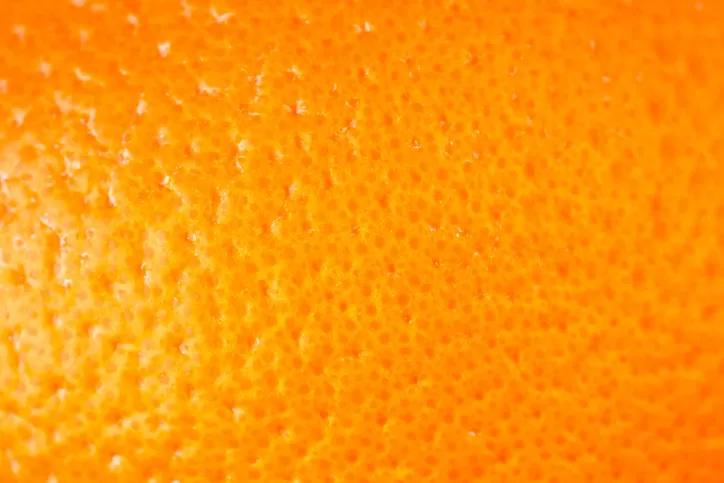
Please start with the task. A hinge that squeaks needs a different product than a leaking outdoor pipe. Compare viscosity, cure method, and long-term durability before you look at brand names. For painters dealing with finish texture, reading a short guide on how to spray single stage paint without orange peel will quickly show why product choice matters to surface quality as much as technique.
Compare the technical qualities that matter most
Line up candidates by these concrete measures: substrate compatibility, operating temperature, load or shear strength, chemical resistance, cure/working time, and ease of disassembly. For lubricants, choose between oil, grease, dry-film (PTFE) and silicone by load and dust exposure. For sealants, match elasticity and adhesion—silicone for moving joints, polyurethane for structural outdoor seals, anaerobic for thread locking. For adhesives, pick epoxies for gap-filling strength, cyanoacrylates for fast small joints, and structural acrylics for mixed-metal bonds. Compare these properties directly; the best-sounding label can still fail if specs don’t match the job.
Scenario comparisons: practical picks
Metal outdoor hinge: weatherproof grease or silicone paste that resists washout. Plumbing joint with pressure: NSF-rated anaerobic or polyurethane designed for potable water if needed. Electronics assembly: low-outgassing silicone or specialized conductive adhesives. High-temperature engine bracket: high-temp epoxy or silicone with the specified temperature rating. Quick repairs where speed matters: cyanoacrylate, but plan for brittle bonds and limited gap filling. These short comparisons highlight trade-offs so you pick the right chemistry, not just the most popular jar.
Evaluate alternatives, then choose the least risky one
When two products seem suitable, favor the one with clearer data sheets and longer open time for beginners. If rework is likely, choose a reversible solution—mechanical fastener plus sealant—over a permanent adhesive. For finish-sensitive parts, test on scrap material. If corrosion resistance is critical, choose products with certified test results rather than anecdotal claims.
Common mistakes and how to avoid them
Surface prep is skipped too often: clean, degrease, and abrade as the datasheet instructs. People over-apply adhesives and sealants; that weakens bonds and increases cure time. Mixing incompatible chemistries causes failures—don’t combine silicone sealants with polyurethane paints without testing. Ignore thermal expansion at your own risk; rigid adhesives on flexible joints will crack. Always read the technical data sheet for recommended substrates and cure conditions before committing.
Experience, expertise and a practical anchor
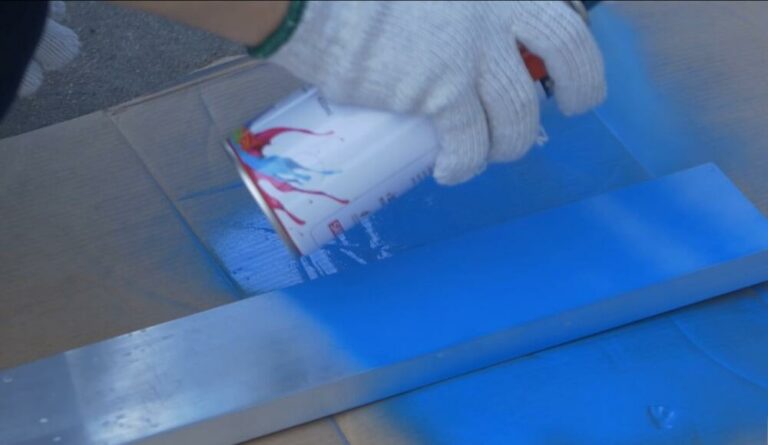
I have worked with product selection for small workshops and maintenance teams; these choices come from repeated real use and reviewing technical datasheets. At the SEMA Show, finish booths and supplier seminars demonstrate practical methods to avoid textured surfaces from spray cans, and those demonstrations align with industry guidance. For hands-on steps about small-can finishing and preventing orange peel, consult this focused resource: how to prevent orange peel with rattle can paint. Trust data sheets, controlled trials on scraps, and manufacturer cure charts over forum hearsay.
Final synthesis
Choose by properties first, then by scenario, and always verify with a small test. Good choices reduce rework, save time, and keep finishes clean. For consistent, technical support and product data that help match chemistry to project needs, consider the practical resources from SANVO as part of your decision process.