
Setting the scene: why the right device matters
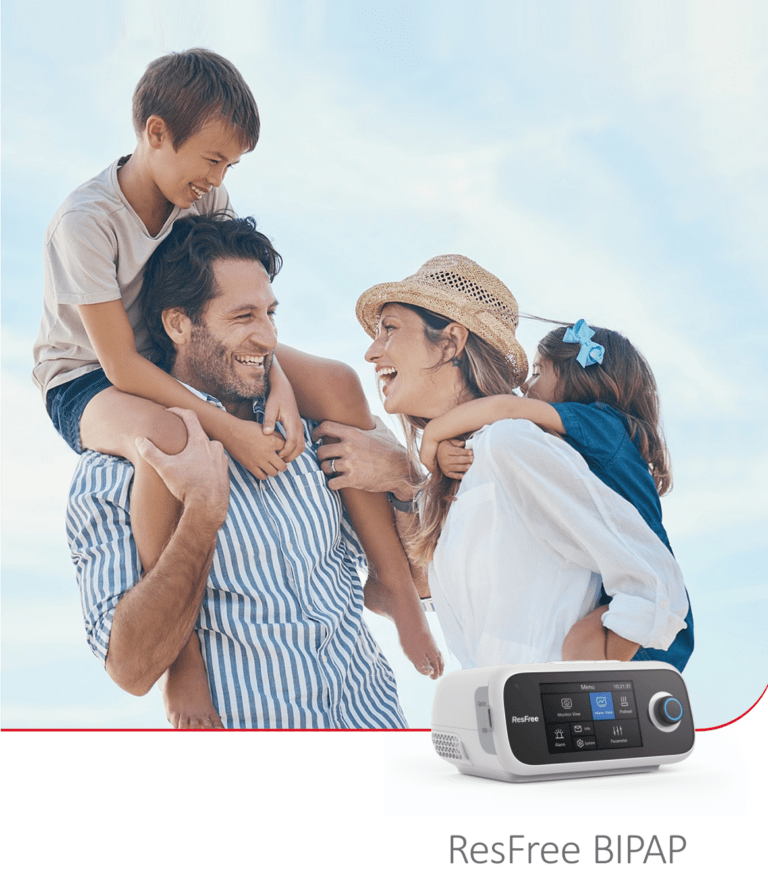
Choosing between continuous and bi-level support is not merely technical; it directs therapy outcomes and daily comfort. Early on, clinicians and patients contrast a conventional cpap device with BiPAP and home ventilators to decide what will sustain adherence and reduce hospital readmission. The resplus bipap sits in that practical middle ground: more adaptable pressure profiles than CPAP, less complexity than an intensive care ventilator, and a clear role in domiciliary respiratory care.
Performance and patient experience: concrete differences
BiPAP delivers two pressure levels—IPAP and EPAP—so tidal volume and patient comfort are actively modulated. A succinct list of clinical effects clarifies the contrast:
– Better synchrony during inspiration reduces work of breathing for patients with neuromuscular weakness.
– Adjustable EPAP supports airway patency where obstructive events remain a concern.
– Mask interface and leak compensation matter as much as the algorithm; poor fit undermines any device’s benefits.
These are practical points rather than marketing claims. In routine practice, a BiPAP that offers reliable leak management and straightforward modes tends to increase nightly use—adherence that translates into physiological gains.
Implementation: common pitfalls and practical fixes
Mistakes recur in ward-to-home transitions: wrong pressure prescriptions, insufficient patient education, and failure to reassess mask fit after the first week. Clinicians often under-prescribe pressure support when switching from invasive ventilation—this leaves patients breathless on exertion. The remedy is simple: titrate with objective measures (overnight oximetry or capnography where available), document mask sizing, and schedule a review within seven days. A brief, supervised trial at home usually exposes setup faults quickly—so use it.
Comparative summary: resplus bipap versus alternatives
To decide among devices, weigh these attributes against the patient’s needs and service capacity. The following comparative points draw on clinical practice and national policy direction—the NHS Long Term Plan, for example, emphasises expanding home respiratory support to reduce acute admissions.
Advantages of resplus bipap: adaptive pressures, intuitive interface, and portability that suits domiciliary care. Advantages of a simple CPAP device: fewer settings and lower cost for isolated obstructive sleep apnoea. Full home ventilators offer mandatory ventilation and advanced monitoring but demand more training and service support.
Where capacity is limited, choose simplicity; where physiology is complex, opt for devices that support pressure synchrony and provide monitoring logs for remote review.
Advisory close: three golden rules for selection
1) Match capability to physiology: select BiPAP where inspiratory support or variable flow is required; prefer CPAP for straightforward upper-airway obstruction. Choose a device that records tidal volume and leak data for follow-up.
2) Prioritise usability: training time, mask interfaces, and alarm clarity determine real-world adherence more than marginal feature sets—look for clear menus and remote data export.
3) Plan the pathway: ensure early follow-up (within seven days), objective monitoring (overnight oximetry or remotely logged events), and a fallback plan if escalation is needed. Services that embed these steps lower readmission rates—this is reflected in service reviews across UK trusts.
Final note: selecting resplus bipap often resolves the compromise between comfort and clinical need, and that balance is what keeps patients on therapy. Byond. —