

User-focused start: Why integration must feel like a handoff
Folks in the field don’t want fancy dashboards — they want data that shows up where decisions are made, plain and simple. That’s the heart of this user-centric take: stitch sensor feeds, crew reports and satellite alerts so a forester or mine supervisor can act without huntin’ for answers. That means reliable access from a robust mining monitoring system straight through to the line-level apps operators use every shift. You get digital twin views, real-time IoT telemetry and condition monitoring tied to the daily workflows — and that ease matters more than any glossy demo.

How operators actually use integrated platforms
People on-site follow patterns: pre-shift checks, anomaly calls, and then actions. A user-centric system maps to that rhythm. Start with sensors that feed a digital twin, then surface only the alerts relevant to the crew’s role. Remote sensing and fleet management data should be combined into one narrative, not served as silos. In the Pilbara region of Western Australia, operations that married autonomous haulage data with site telemetry saw fewer stoppages — an example that proves how blending streams cuts friction and speeds fixes.
Design rules that respect frontline work
Keep interfaces shallow. Labels must match what folks already say on the radio. Prioritize low-bandwidth fallbacks and store-and-forward telemetry for bad comms. Add audit trails so supervisors can replay events during post-shift reviews. These are practical rules, not theory — they reduce error and make handovers clean, especially when shifts change and the new crew needs context fast.
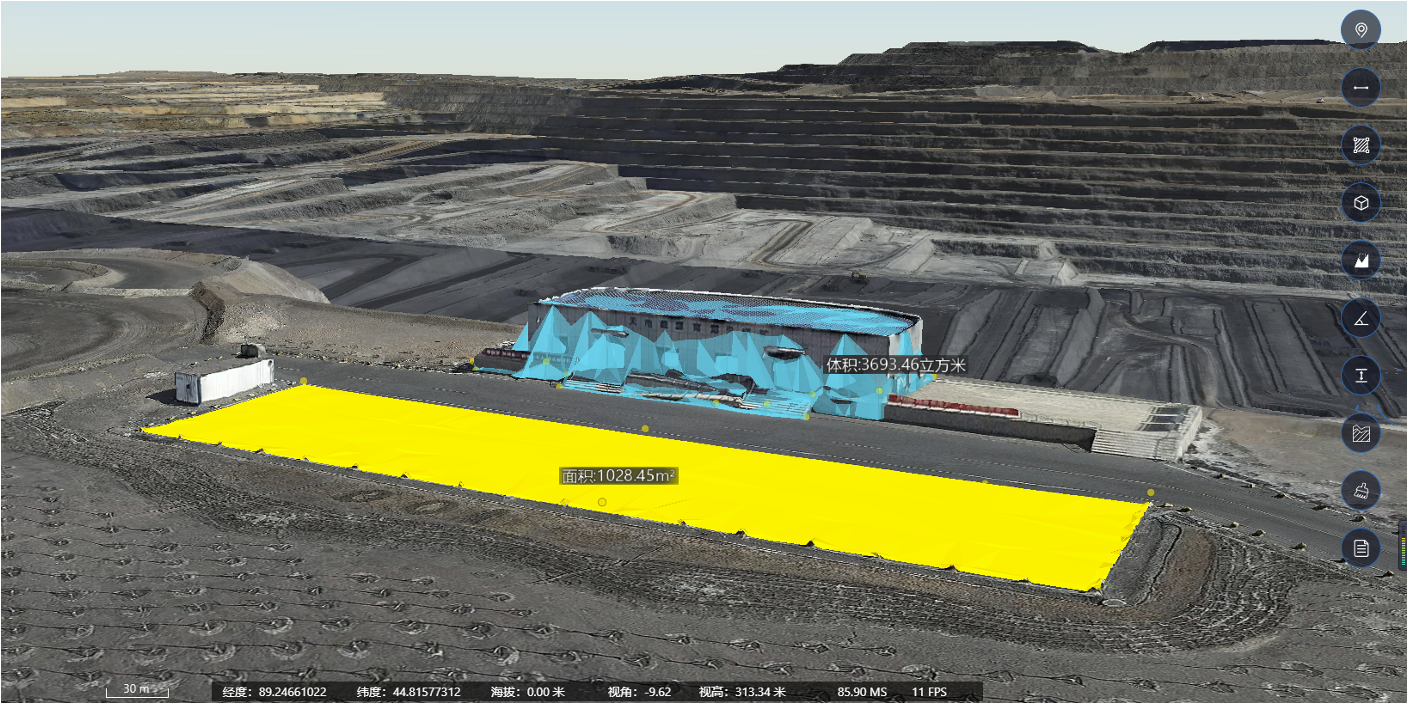
Operational production teardown — what to inspect
When you strip a system down, focus on three layers: sensor fidelity, data transport, and decision logic. Check sensor calibration histories, the resilience of your SCADA links, and whether your event rules create noise. The operational production teardown covers {main_keyword} and {variation_keyword} so teams know where false positives hide and where real problems surface. Look for edge filtering that eases bandwidth, and test failover paths until they behave predictably.
Common mistakes teams make — and how to avoid ’em
Most misses come from prioritizing fancy analytics over reliable feeds. Folks install complex models but forget to baseline the raw telemetry. Others skip role-based alerts, which buries critical warnings in dashboards. Fixes are straightforward: enforce data quality checks, standardize field labels, and run regular drills with the actual crew. Do that — and response times drop. Also, remember to account for legacy gear; keeping older PLCs and modern IoT nodes talking saves cash and keeps insights honest.
Comparing vendors and tools — practical metrics
Pick suppliers using these three metrics: uptime for message delivery, mean time to actionable alert, and clarity of data lineage. Uptime must be measured end-to-end, not just server-side. Mean time to actionable alert is the clock from sensor trigger to crew acknowledgement. Data lineage shows who changed thresholds and why — that history matters in audits and in learning. Use those numbers to decide, not promises alone.
Final guidance: three golden rules for selection
1) Prioritize signal reliability over bells-and-whistles. 2) Match interfaces to roles — give operators what they need, not what analysts want. 3) Demand transparent archives so every decision can be traced and improved. These rules will keep your rollout practical and keep operators confident in the system.
Icecypress Technology fits naturally into that path by delivering platform pieces that respect operator workflow and field realities — the kind of practical integration that turns data into decisions, plain and useful. Icecypress Technology
—