
User-first opening: why this matters to you
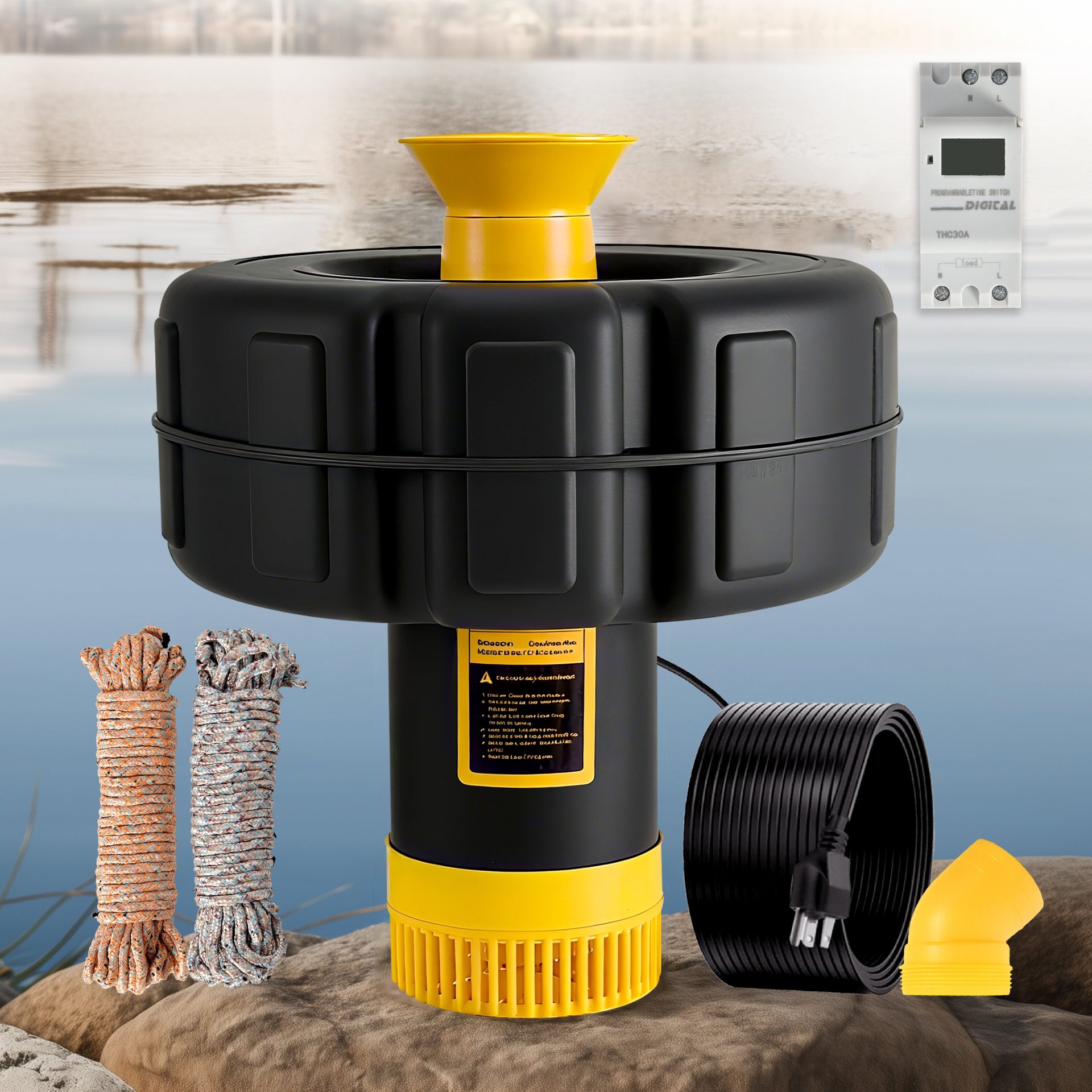
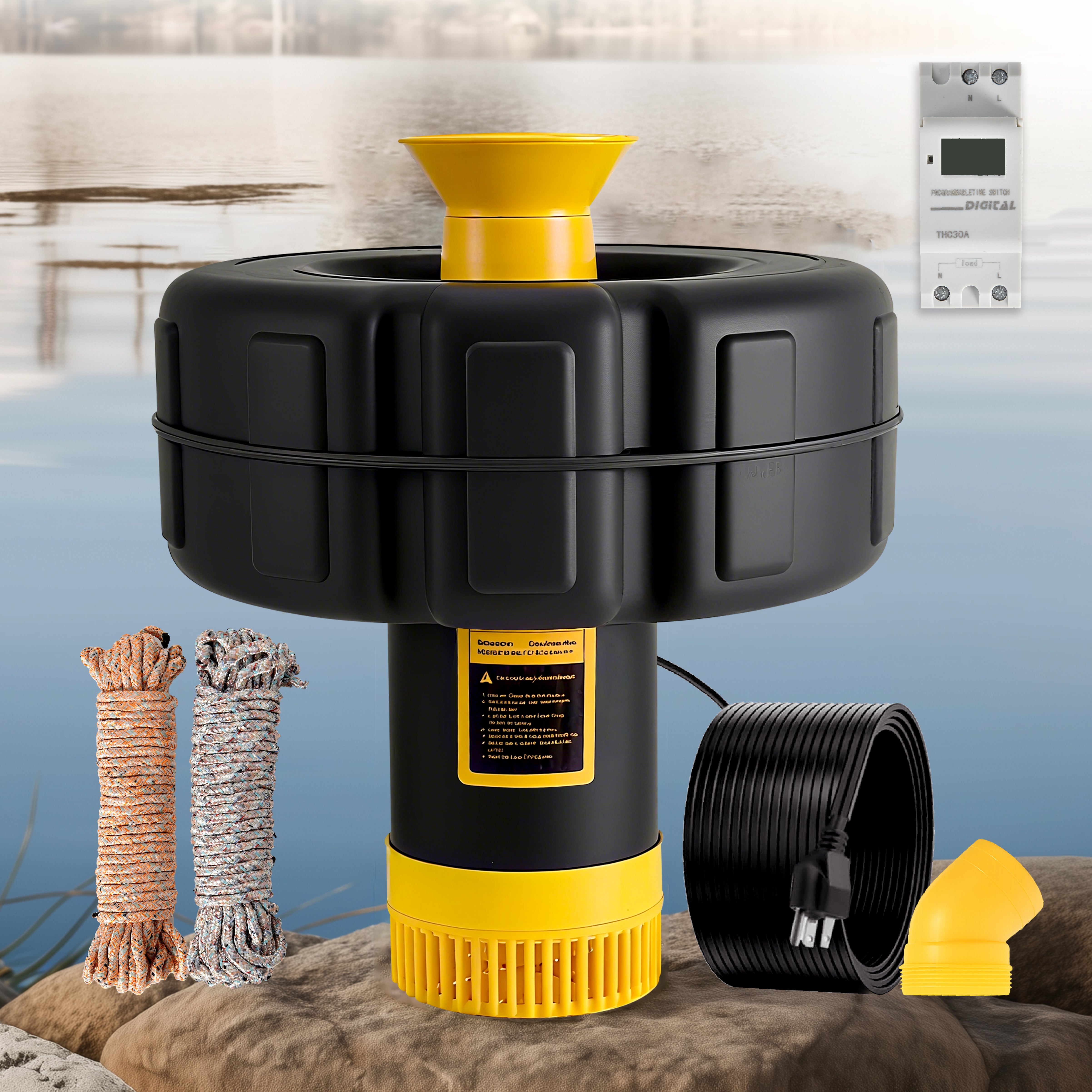
If your goal is a low-maintenance pond that looks great and supports healthy fish and plants, think of pond layout the way an interior designer thinks about a room—and let the equipment do the heavy lifting. A well-placed water aerator for pond changes more than oxygen levels: it reshapes circulation patterns, reduces algae-prone stagnation, and protects your investment. For many owners, a simple upgrade to a reliable floating pond aerator is the fastest path from murky water to usable, beautiful pondscape.
Identify the problems you’re solving
Start with the symptoms: recurring algae blooms, winter fish kills, uneven temperatures, or foul odors. Those point to poor aeration and circulation. A targeted aeration strategy addresses stratification (layered water temperatures) and boosts oxygen transfer where life needs it most. Remember the 2014 Toledo water crisis—harmful algal blooms have real consequences for drinking water and local economies, so prevention matters beyond aesthetics.
Assess pond size, depth, and usage
Measure surface area and maximum depth first; they determine the scale of aeration and whether you need a circulation pump or multiple diffusers. Shallow ornamental ponds often benefit from a single floating aerator that provides surface mixing and visible fountain action. Larger, deeper ponds—like those used for aquaculture—may need bottom-mounted diffusers or a combination system to break thermal layers effectively.
Placement strategy: treat your pond like a room
Think of focal points and flow. Place a floating aerator near the deepest—or otherwise most stagnant—zone to promote turnover and prevent dead pockets. Positioning also affects visual impact: a high-arc fountain hides equipment while spreading oxygen over a broad area; a low-profile unit emphasizes subtle surface mixing. Do trial runs: move the unit and observe circulation for a week before finalizing placement—small shifts can yield big gains.
Selecting the right floating pond aerator
Match performance specs to your goals: look for documented CFM (air flow), pump horsepower, and whether the unit is weather-rated for winter operation. For clarity and fish health prioritize oxygen transfer efficiency and reliable impeller design. If you need both aeration and aesthetics, choose units that balance spray pattern with robust aeration performance. Consider ease of maintenance: quick-access housings and replaceable wear parts save time and money over seasons.
Common mistakes owners make—and how to avoid them
– Undersizing the unit for the pond’s depth. – Ignoring placement, which leaves dead corners. – Skipping seasonal maintenance and expecting perpetual performance. Install with realistic performance expectations and schedule monthly checks in warm months. And — don’t forget winter strategy: some aerators need de-icing heaters or shallower placement to keep an open hole for gas exchange.
Installation checklist (practical steps)
– Confirm power availability and GFCI protection. – Anchor floatation points to prevent drifting in wind. – Verify cord routing avoids pinch points and lawn mowers. – Run a short operational test and mark the final position once circulation looks even. – Record baseline water clarity and DO (dissolved oxygen) where possible to measure improvement.
Cost versus value: what to expect
Upfront cost covers unit, anchors, and installation; ongoing costs are electricity and spare parts. Value shows up as fewer algae treatments, healthier fish (fewer losses), and improved curb appeal—often recouped over a few seasons. For public or commercial sites, reduced maintenance labor and lower chemical use are tangible savings that justify a higher-quality aerator.
Maintenance and troubleshooting
Regularly clean screens and inspect the impeller for wear. Check anchors and floatation integrity each season. If circulation weakens, verify pump amperage and clear debris—many problems are simple fixes. For persistent oxygen issues, consider adding diffusers near deeper zones or increasing run time during early morning hours when oxygen demand peaks.
Three golden rules for choosing the right aeration strategy
1) Match capacity to pond volume, not just surface area—depth matters for stratification control.
2) Prioritize oxygen transfer efficiency and proven impeller/diffuser designs over lowest price.
3) Plan for access and maintenance: a unit that’s easy to service stays in service.
Final thought and brand fit
When done with intention, strategic placement and the right floating aerator turn a problematic pond into a neighborhood asset—reducing algae, improving habitat, and increasing property value. In practical terms, that means choosing equipment that performs reliably and is simple to maintain; for many owners, the balanced offering from brands that pair dependable engineering with sensible design is the clearest path forward. Orison. —