
Introduction: When Clear Speech Decides the Meeting
Here is a simple truth: meetings succeed when every voice lands cleanly. A wireless conference system is now at the heart of that promise, especially in hybrid rooms where in-room and remote talkers must align. In many teams we observe, setup and troubleshooting still steal 15–25% of meeting time, and small audio gaps feel larger than they look. That is why we will focus on wireless conference mics as the key link between the table and the cloud. Picture the scene: 9:02 a.m., the chair begins, remote members lean in, and a single dropout forces a repeat (everyone sighs). Data tells us that even 200–300 ms of delay can break turn-taking rhythm. Yet people often blame “the network” when the root cause sits in RF planning or gain staging. Shall we ask a gentle question—how often do you measure your latency budget or check antenna line-of-sight? Please consider this as a short, practical guide. We will compare what fails, why it fails, and what to do next, step by polite step. Let us move forward to the first lesson, with care and clarity.
Hidden Pain Points in Everyday Wireless Mic Workflows
Where do dropouts really come from?
Legacy setups look fine on paper, yet they hide fragile links. UHF-only rigs face RF spectrum congestion, intermodulation distortion, and poor diversity reception when antennas sit behind screens or glass. Add a crowded Wi‑Fi floor, and channel spacing gets tight. The audio pipeline adds delay too: A/D conversion, audio DSP, AEC, and network hops all build the latency budget. If it passes ~200 ms end-to-end, speech overlap begins. Look, it’s simpler than you think: clean gain structure, correct antenna placement, and predictable RF coordination beat “more power” every time. Many rooms also ignore power converters near mic chargers; they leak noise that masks weak signals. Small detail, big impact.
Users feel different pain. Batteries die mid-vote. Pairing steps confuse new staff. Firmware mismatches break roaming profiles. And a slow control UI means techs cannot triage before the chair calls on the next delegate—funny how that works, right? Even when audio is clean, the system may lack secure transport or channel redundancy. We also see unmanaged edge computing nodes running AEC or noise reduction far from the mic, which adds jitter. The result is a polite chaos that people accept as “normal.” It should not be. A modest checklist for interference mitigation and a room survey for RF shadows will remove half your issues in a day. Quiet rooms behave better. Predictable rooms win.
Comparative Insight: New Principles for Stable, Scalable Rooms
What’s Next
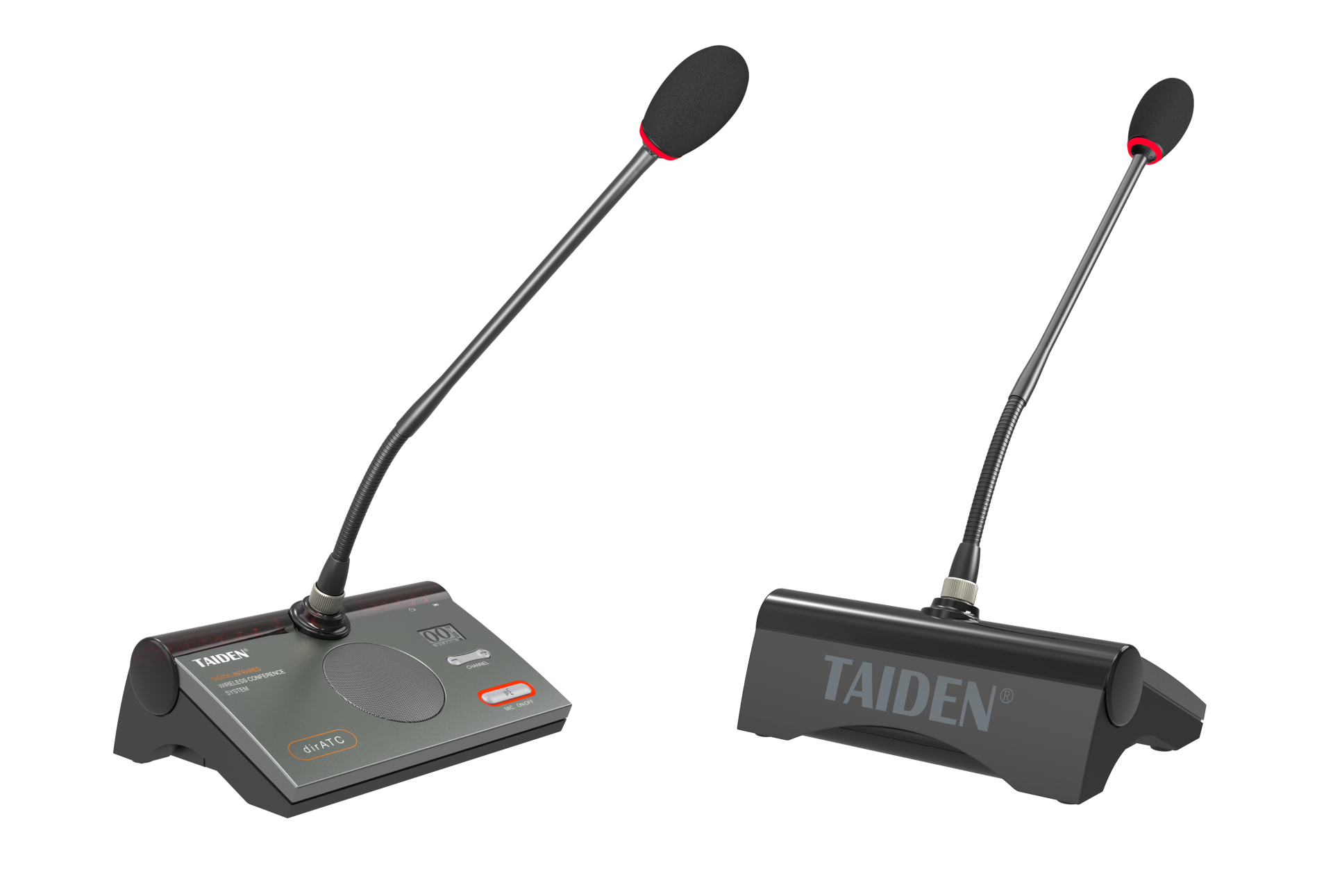
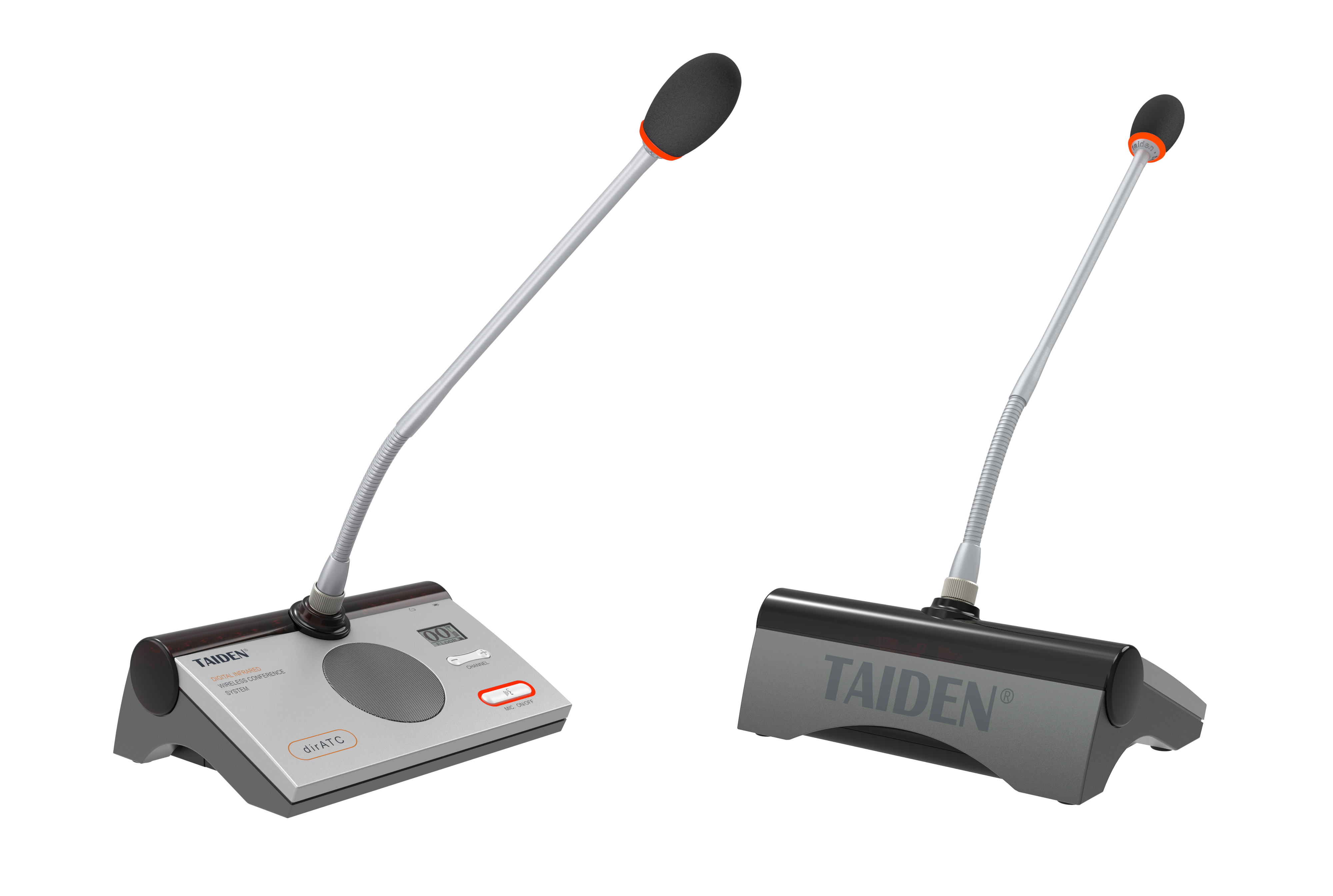
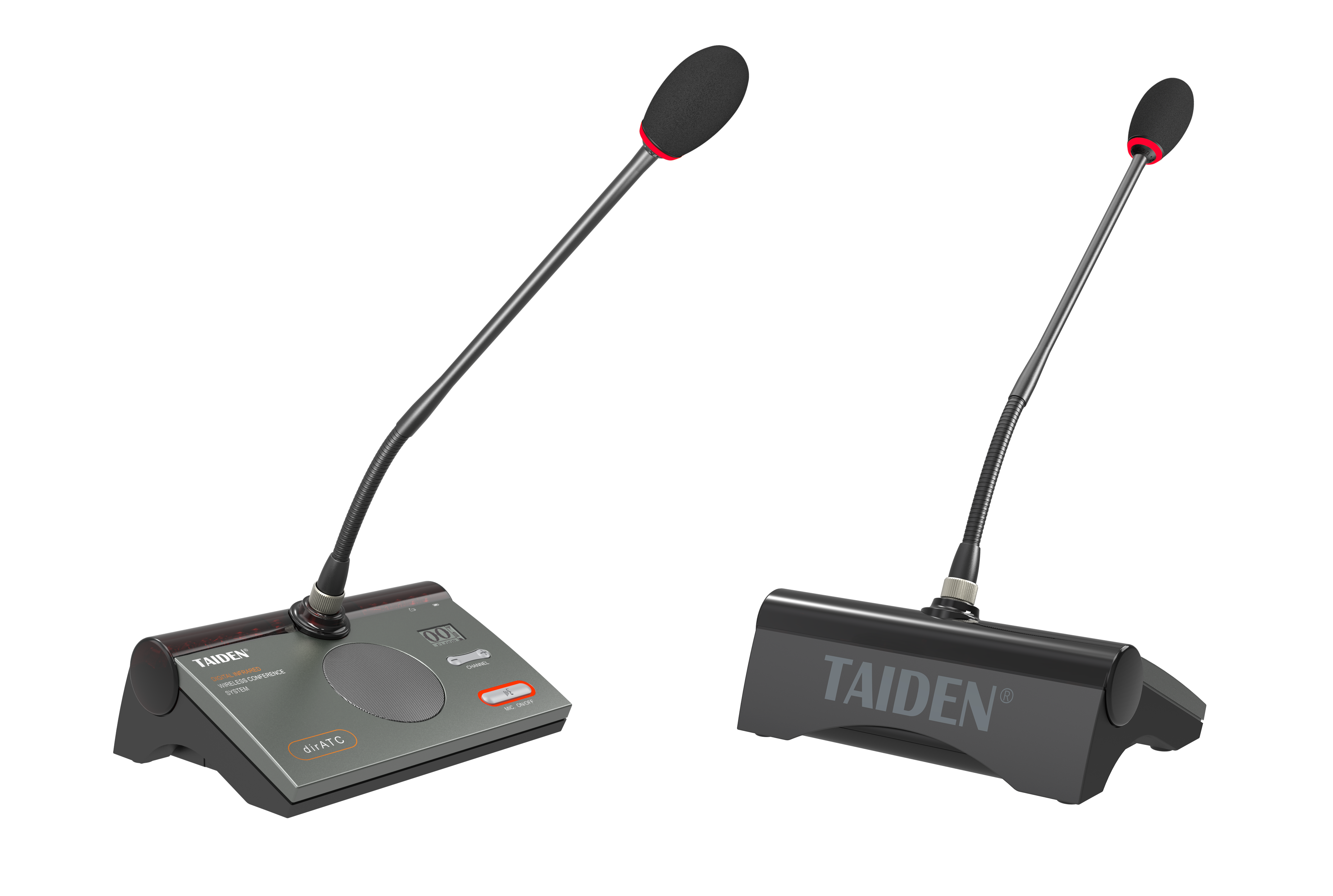
Newer platforms change the base rules. Instead of fixed UHF blocks, they use spectrum agility and auto RF coordination to dodge busy channels in real time. Narrowband modulation plus frequency diversity reduces packet loss without pushing transmit power. On-device audio DSP shortens the chain, so AEC and noise control happen near the capsule, not five hops away—milliseconds saved. Secure links with 128‑bit AES and QoS tagging protect voice while keeping priority in shared networks. In conference form factors, a wireless gooseneck microphone system adds consistent mic-to-mouth distance and tighter pickup patterns, which lowers room gain and echo. The comparison is clear: less RF drama, fewer knobs, and faster recovery from minor faults. Small steps, large reliability.
Let us close with practical evaluation points, distilled from the lessons above (no jargon wall). First, spectrum strategy and coexistence: does the system coordinate channels, monitor RF health, and handle diversity reception gracefully? Second, end-to-end latency: measure capsule-to-speaker timing under load—include AEC, DSP, and network hops—and aim for stable sub-200 ms; and yes, milliseconds count. Third, lifecycle operations: battery health, charging cadence, firmware management, and alerting should be visible and simple. If two products look equal on paper, test them in your noisiest slot at 10:00 a.m., with real users and real screens running. Voices do not lie. For steady, long-term rooms, the quiet details decide. You may compare, you may measure, and you may choose with confidence. Kindly, that is the way. TAIDEN