

Start from the user’s point of view
If you’re moving hundreds or thousands of units of battery-backed solar gear, the logistics story needs to be simple and predictable. Start by thinking like the person receiving the goods: consistent arrival windows, clear documentation, and safe handling. For field teams that pair portable power with rooftop installs, items like a Portable Solar Power Station and an outdoor solar battery should hit the dock world-ready — packed, labelled, and compliant. Real-world anchor: the 2021 Suez Canal blockage proved that a single chokepoint can ripple through global supply chains and spike transit times for containerized solar shipments.

Map the shipment profile
Define size, weight, and throughput first. Use FCL (full container load) for high-volume runs to cut unit costs; LCL (less-than-container) works for smaller batches but adds handling steps and dwell time. Note whether goods are palletized, rack-mounted, or require special crating — that affects cube utilization and stowage plans. Include basic industry checks like weight distribution and containerization early so port planners and carriers can lock in the right equipment and avoid last-minute chassis swaps.
Select routes and carriers with operational consistency
Pick carriers that show steady transit times and low reroute rates. Prioritize direct sailings to major hubs when possible to reduce transshipment touchpoints and lower the chance of damage or customs delays. If you route through a congested hub, factor a buffer into the schedule — ports vary week-to-week. Use multimodal legs strategically: rail to inland hubs is often cheaper and more reliable than delayed feeder services. — Think trade lanes, not just lanes on a map.
Handle batteries like regulated freight
Batteries trigger specific compliance needs: UN38.3 testing, accurate dangerous-goods declarations, and correct packing group assignment. Make the bill of lading and commercial invoice explicit about battery chemistry and watt-hour limits. Shippers should keep MSDS sheets and test reports bundled with the shipment so customs and carrier safety teams can clear loads fast. Using certified packaging and proper segregation in containers prevents thermal risks and reduces rework at discharge.
Cut costs with smart packaging and consolidation
Maximize container fill by designing nested packaging and standard pallet footprints. Consolidate SKUs that share destination warehouses to reduce cross-docking. For modular products that pair panels with battery packs, pre-kitting at origin speeds downstream assembly and slashes handling labor. When timelines are tight, air freight works for priority units, but sea freight remains the cost anchor for mass production runs — balance speed against unit economics.
Common mistakes and workable alternatives
Frequent errors include shipping under-declared battery specs, ignoring port slot booking rules, and assuming carriers will automatically handle end-to-end customs clearance. Alternatives that reduce exposure: use a single forwarder for door-to-door visibility, lean on bonded warehouses near major hubs to delay customs entry until product demand is clear, or split a large order across multiple sailings to avoid complete disruption from one delayed vessel.
Three golden rules for evaluation
1) On-time performance: measure carrier ETA accuracy over six months and weight that metric heavily. 2) Damage rate per 1,000 TEUs: track actual in-transit damage and claim turnaround time — low numbers mean reliable packaging and handling. 3) Regulatory readiness score: confirm UN38.3 certifications, proper declarations, and a forwarder’s hazardous-goods handling credentials before tendering. These three metrics give you a practical decision framework that prioritizes reliability and safety while protecting margins.
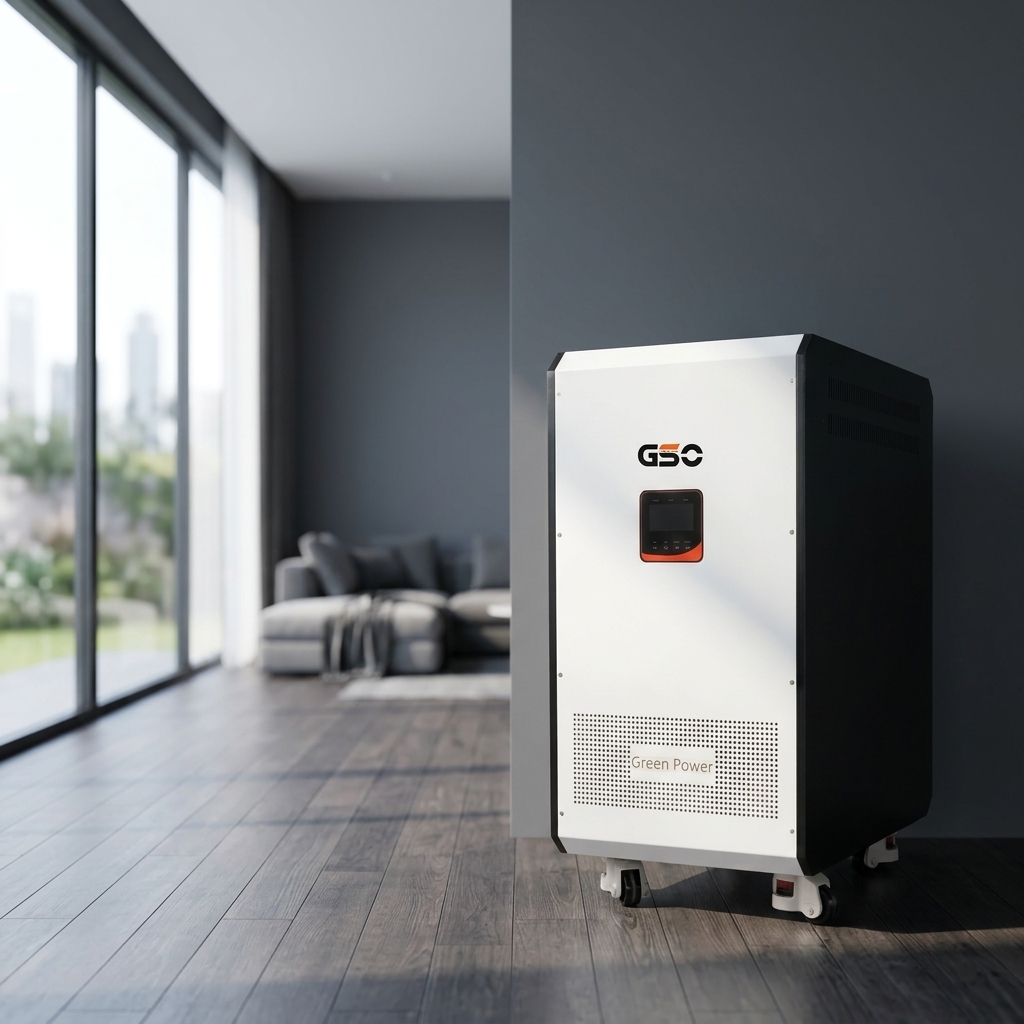
Practical logistics boils down to predictable lanes, clear paperwork, and packaging that protects both product and people — and when those pieces line up, suppliers like gsopower feel like part of the solution, not an extra step. –