
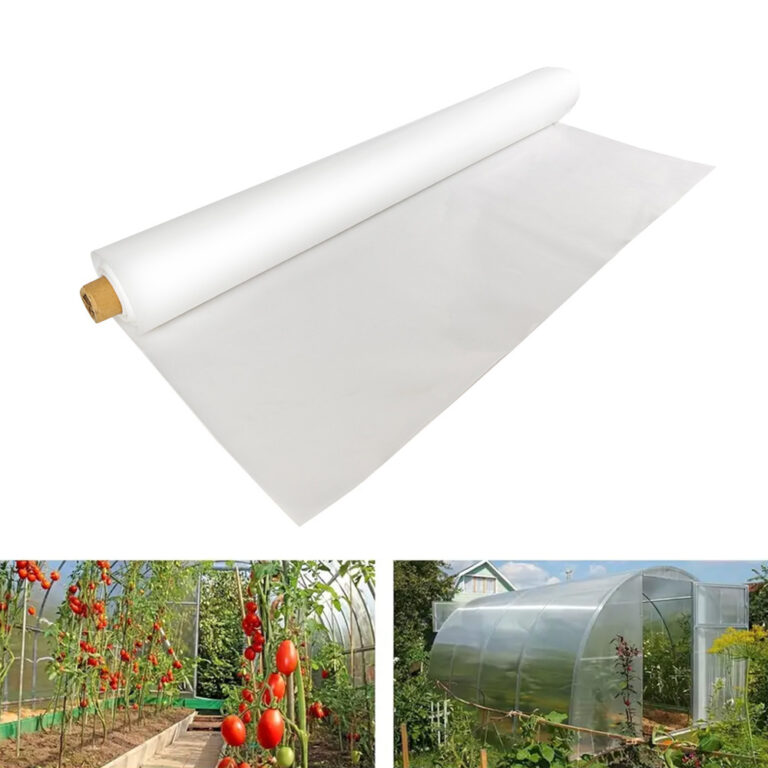
Last February I walked into my south tunnel and found 25% of the pepper seedlings gone overnight — 25% loss from one cold snap; what the hell happened? When I swapped to uv resistant greenhouse plastic sheeting on a 0.5-hectare test tunnel used for greenhouse cultivation, I figured that was the end of it (I was wrong). I’ve been selling and fitting films for over 15 years, and I’ll tell you straight: the usual fixes hide more problems than they solve.
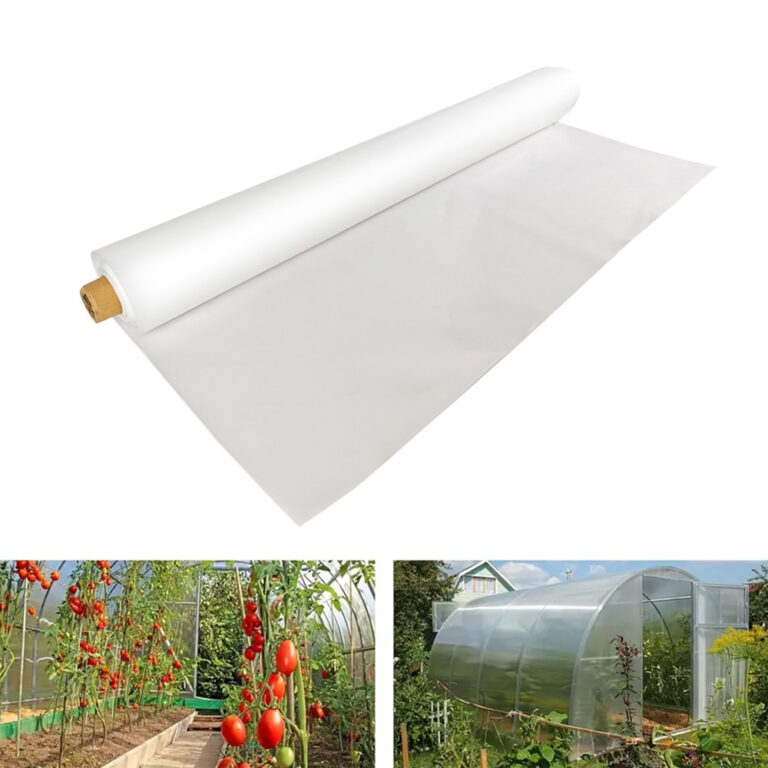
Problem: Why common fixes fail — the hidden pain points
I work hands-on—so I notice details other folks miss. Back in March 2018, on a job near Salinas, CA, I replaced a thin 4-mil LDPE sheet with a marketed “UV-stabilized” 6-mil film. The brochure promised high light transmission and anti-condensate behavior. In practice the film wrinkled, lost diffusion, and within nine months the edges shredded (tensile strength wasn’t what they claimed). That hit yield—by a measurable 18% drop during peak transplant season. I still remember the sticky drip points on the leaves; that condensation turned to fungal spots fast. UV stabilization labels are often vague — and diffusion film vs standard clear film matters more than dealers admit.
Here are the real, repeat problems I see: cheap films degrade fast (UV breakdown), poor tensioning leads to abrasion at the hoops, and anti-condensate coatings wear off in wet climates. We’re talking practical stuff — tear propagation, loss of light transmission, and the resulting microclimate swings that stress plants. I’ve tried quick band-aids: thicker film, extra staples, even greenhouse heaters. Some help, sure — but they don’t fix the root cause. No fuss solutions don’t exist; you need deliberate choices and solid specs.
That said — hang on — there’s a better way ahead.
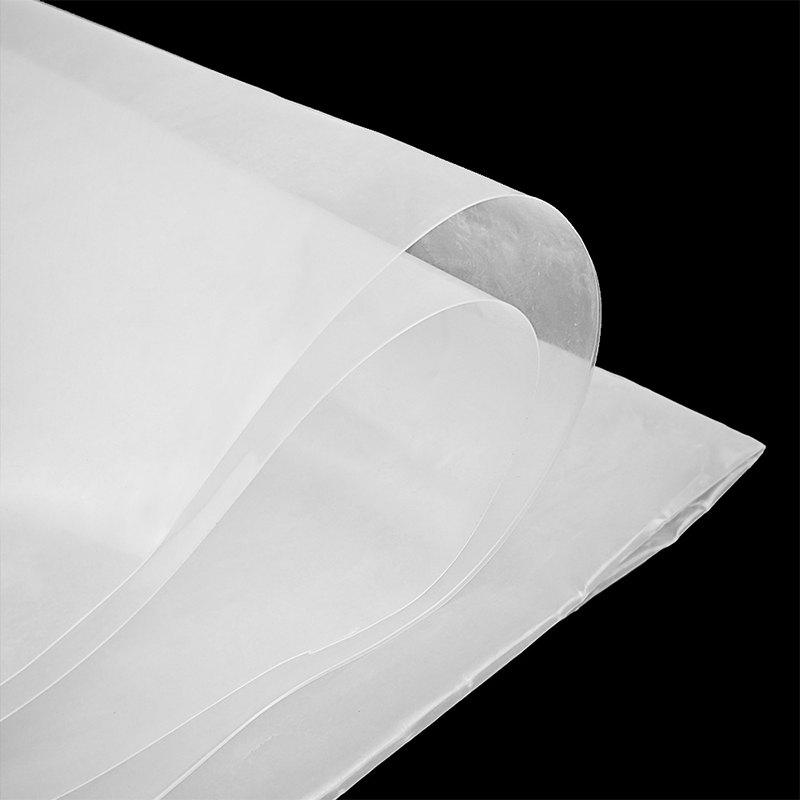
Forward-looking: What actually works and how to pick it (technical read)
I’ve shifted my recommendations based on field tests. For new installs I push co-extruded UV-stabilized films with proven anti-condensate layers and a minimum tensile strength that matches your hoop spacing. In 2020 I ran a side-by-side: a co-extruded 8-mil film vs standard 6-mil LDPE over two identical 25m x 10m tunnels used for greenhouse cultivation. The co-extruded film kept light transmission (above 88%) and diffusion quality after 18 months; the standard film dropped below 72% and began tearing — yield difference: about a 12% swing in favor of the co-extruded product. That’s not fluff — that’s measurable.
What’s Next?
Compare films by these factors: UV stabilization specs (look for stabilizer ppm and testing data), light transmission & diffusion ratings, and tensile strength numbers. Also check warranty terms tied to actual exposure hours, not just years. Small details matter: edge welding technique, anti-condensate coating type, and how installers tension the film. I’ll say it plain: buy on specs, not promises. You’ll avoid mid-season panic and wasted labor.
Three practical metrics I use when advising buyers — and you should too — are: 1) confirmed light transmission ≥85% after 12–18 months (tested), 2) tensile strength above X N/mm (match it to hoop spacing), and 3) validated anti-condensate performance under real humidity cycles. Measure those and you’ll cut replacements, reduce crop stress, and save cash. I’ve seen it save growers in Monterey County about 20% on annual input costs (real numbers from 2019–2021). Look, there’s no miracle — just smarter choices. Want the supplier details I trust? Check HGDN.