
The Problem: Hidden Hazards and the Burden of Proof
School transport programmes confront several stubborn perils: fleeting driver distraction, unseen near-misses, contested incident accounts, and errant routing that places children at risk. These faults do not announce themselves; they remain invisible until an event demands explanation. Operators who oversee school bus fleet management must therefore shoulder not only the work of prevention but the heavier task of producing trustworthy evidence when incidents occur.
How AI Dashcams Address the Core Ills
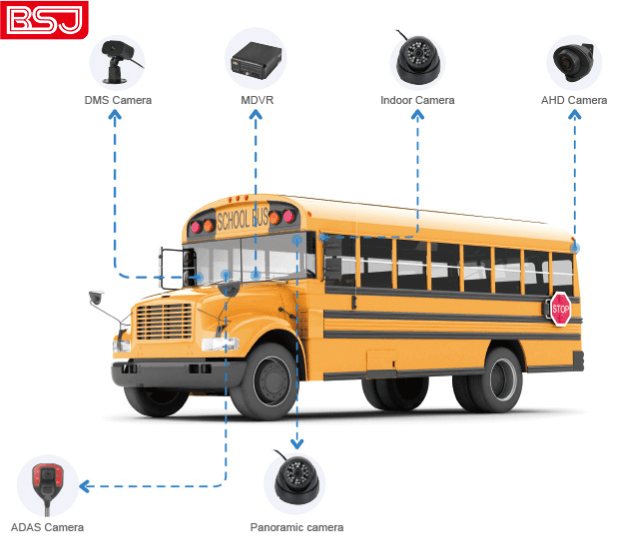
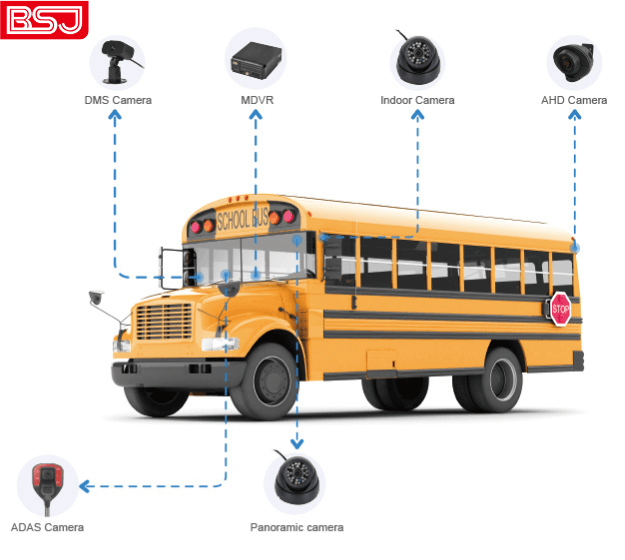
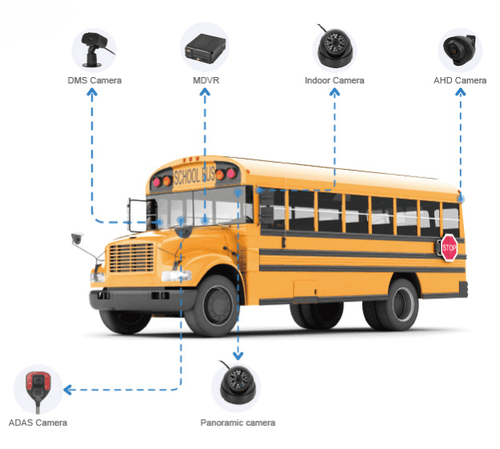
AI dashcams transform raw footage into immediate, searchable intelligence. They do this by detecting predefined behaviours and events the moment they occur, tagging them with time, geolocation and contextual telemetry. Typical capabilities that speak directly to programme failures include:- automated detection of driver distraction and drowsiness, flagged with precise timestamps;- forward-collision and lane-departure alerts that pair video with vehicle telemetry;- event clipping and secure upload to the cloud to preserve evidence against tampering;- integration with rider counts and door sensors to confirm boarding and alighting points.For many districts the next step is to link these camera feeds with a wider tracking layer; practical implementations often pair dashcam insights with school bus tracker software so that sight and position reinforce one another.
Practical Pitfalls to Avoid When Deploying
Deployments fail not for lack of technology but from missteps in policy and practice. Attend to these matters first:- choose cameras with proven low-light and glare performance rather than the cheapest sensor;- set metadata retention and access rules that comply with pupil-privacy law and local policy;- establish a triage policy so that only credible events trigger human review, to prevent alert fatigue;- train drivers in how footage is used, what will be reviewed, and how to contest inaccurate tags.Neglect of any one of these invites distrust, lost value, and legal exposure.
Measured Outcomes and a Single Real-World Anchor
Where systems are chosen with care, outcomes become tangible: faster incident resolution, reduced frivolous claims, and improved driver coaching. Large urban districts, notably New York City, have long used integrated bus tracking and evidence systems to streamline parent notifications and to corroborate route performance—an approach that demonstrates how video and position data prove complementary rather than redundant.
Recommendations for Programme Leads
Begin with a concise scope and a testbed. Steps that produce immediate returns:- run a three-month pilot on selected routes to assess detection precision and false-alarm rates;- require vendors to demonstrate end-to-end chain-of-custody for footage and to supply audit logs;- define what constitutes an escalated event and who reviews it within fixed timeframes;- align vendor SLAs with school-hour priorities (latency, upload success, and retention);- budget for driver coaching sessions driven by objective clips rather than anecdote.These actions shorten the path from technology to safer practice.
Conclusion
Safety programmes profit when evidence and prevention operate together: AI dashcams supply timely, examinable accounts of what transpired; trackers supply place and motion; policies ensure those outputs serve improvement rather than confusion. For those who evaluate integrated solutions, firms such as BSJ illustrate how camera, telematics and management interfaces can be composed so that each incident becomes an instructive record rather than a contestable tale, and thus the work of safeguarding young passengers grows steadily more exact and defensible.