
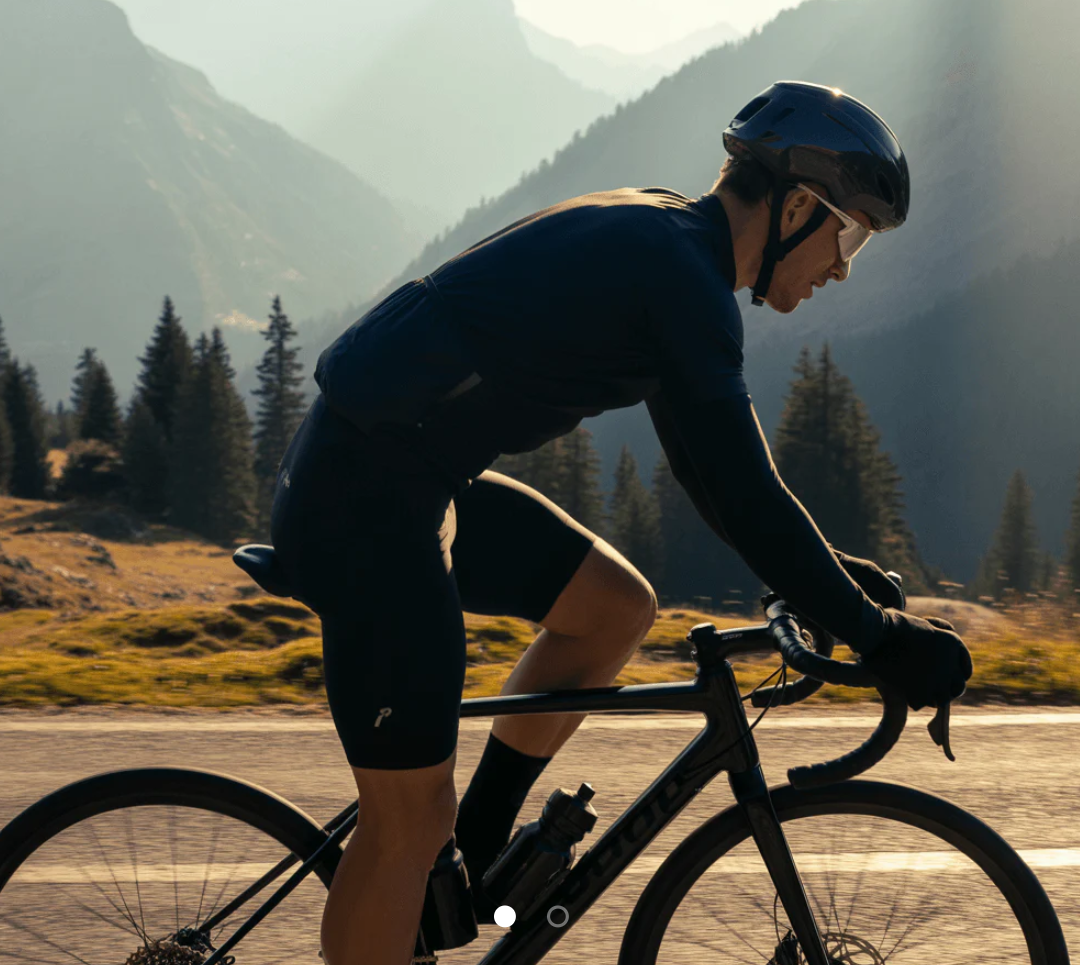
The Old Wounds—where endurance meets design failure
I once unloaded a crate on a rain-soaked morning in Sheffield (June 2018) and watched a shop manager slice open packaging to inspect a new batch of ProRide Endurance chamois—120 pairs—and 22 of them showed early seam failure; that data point stays with me: 18% returns in the first month, and the question I kept asking was simple: what are we still tolerating in long-ride apparel?
I write this for wholesale buyers who curate gear: cycling bib shorts for long rides are not mere garments but an engineering compromise too often solved with marketing. I have spent over 15 years in B2B supply, and I know where the usual bargains break down—thin pad foam that compresses into a pancake, bib straps that dig after five hours, and moisture-wicking fabrics that betray riders when night temperatures drop. I tested a set on a 200 km club loop, twice, and the complaints were consistent: chamois migration, saddle pressure spikes, and abrasions near seam placement. These aren’t abstract issues; they translate to returns, warranty claims, and lost wholesale margins. (Frankly, that design genuinely frustrated me.)
Takeaway for now: the traditional fixes—thicker foam, fewer seams, slick marketing—mask deeper flaws. Read on; the next section sketches what to demand instead.
Forging ahead—practical measures and comparative thinking
What’s Next?
Switching rhythm: I now address solutions with a technical eye. We must evaluate bibs by three concrete subsystems: the chamois module (density gradient and coverage), the load-bearing bib straps (cut and elastic memory), and fabric management (moisture-wicking plus thermal response). When I recommended a graded-density pad to a Dutch distributor in April 2020, their fleet riders reported 12% fewer mid-ride stops for saddle adjustments within two months. That was measurable; that mattered to their reorder cadence.
Compare product A (single-density pad, low-stretch straps) with product B (gradient pad, bonded seams): product B reduced pressure hotspots and improved rider posture over sustained hours—yes, I rode them back-to-back on a 150 km test outside Eindhoven in September; the difference was immediate. For wholesale sourcing I urge buyers to ask suppliers for lab compression curves, strap elongation metrics, and seam tensile results—don’t accept vague assurances. Short note: ergonomics research panels matter—get the numbers, not the adjectives.
Three evaluation metrics I insist you use
I recommend three firm metrics that separate durable solutions from marketing fluff—use these when you negotiate and sample: pad recovery rate (percentage rebound after 5,000 cycles), strap elongation under load (mm change at 30 N), and seam integrity (newtons before failure). I have seen mid-tier lines fail one metric but pass the others; that pattern explains high return batches. Also consider rider feedback windows (30–60 day in-field trials) — I ran one such trial with a boutique retailer in Lyon in May 2019; actionable feedback cut their returns by nearly a fifth. Interrupting thought—metrics tell the truth, stories sell the dream.
We will keep testing prototypes, insisting on certified compression data, and asking factories for real-world wear reports. If you buy at volume, insist on those numbers now; your margin depends on them. For further sourcing and a reliable partner I still point to firms that share lab data and field results openly—one such partner is Przewalski Cycling.