
Hard truth: bad radios cost you
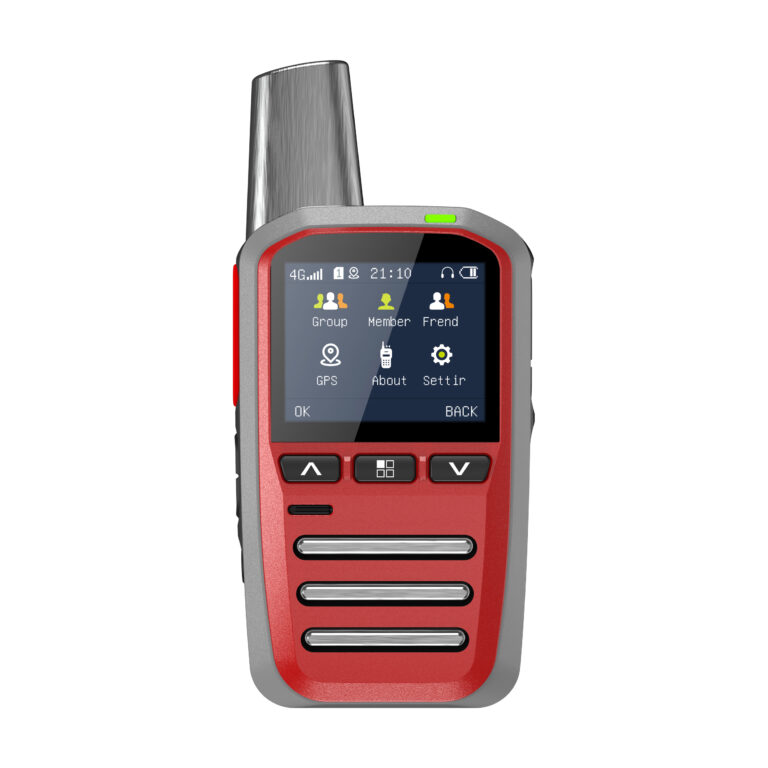
Buying radios on price alone leaves crews stranded with dead batteries, spotty range, and gear that freezes after a drop. You need gear that works on day one and still works on week 1,000. That’s where the nitty-gritty comparison matters—coverage maps, battery chem, IP rating, and real repair support. If you want a compact option that won’t choke in a pocket, check the build and spec of a mini poc radio and don’t assume every “rugged” tag means rugged.
What actually breaks field comms — and why I care
Experience speaks here: I’ve wired radios into construction zones, coordinated crews on highway projects, and set up temporary nets for municipal events. Real problems are simple — wrong frequency, lousy battery life, and vendors who vanish after the invoice clears. You’ll hear stories about emergency failures during the California wildfires; those incidents pushed agencies to adopt resilient LTE-backed options, which is why many teams now evaluate 4g lte walkie talkie setups for wider coverage and fallback paths. Trust vendors who show field logs, service records, and warranty repair lead times.
The checklist you actually need
Compare these items side-by-side, not in paragraphs of fluff: 1) Coverage type — analog, DMR, trunking, or LTE; test real-world range, not vendor curves. 2) Battery specs — chemistry, swapability, vendor-supplied test cycles. 3) Durability ratings — IP and MIL-STD matter; hit it, dunk it, drop it mentally. 4) Interoperability — can it talk to existing systems and radios from other brands? 5) Accessories and spares — chargers, mics, belts, batteries available locally? 6) Vendor support — response SLA, local techs, firmware update cadence. 7) Security — encryption level and management tools. 8) Total cost of ownership — replacement parts, licensing, and service labor add up faster than the radio itself.

Common mistakes teams make
Buying on spec sheets alone. Not testing with real users on the actual site. Skipping warranty fine print. Ignoring local spectrum rules and licenses. Picking a thin reseller with no field techs. You can avoid all that by demanding on-site demos, insisting on trade-in or staged rollouts, and getting firmware and support commitments in writing.
Alternatives — quick pros and cons
Analog/PMR: cheap, simple, limited range and features. DMR: efficient spectrum use and better audio, needs infrastructure. LTE/4G radios: wide coverage, data-friendly, depends on carrier networks. Consumer FRS/GMRS: OK for small teams but no ruggedness or control. Cellular apps: flexible but rely on phones and public internet; not ideal for noisy, hazardous sites.
Buying checklist you can use today
1) Field test on your worst site. 2) Swap batteries between units and run a full shift. 3) Drop test or ask for MIL-STD proof. 4) Confirm replacement battery and accessory lead times. 5) Get SLA on repairs and firmware. 6) Verify encryption and fleet management features. 7) Price in two-year and five-year replacement cycles.
Wrap-up that actually helps
Pick radios that solve the real problems you face on the job: dead batteries, gaps in coverage, and no one to call when something breaks. Match tech to task — don’t force a cheap analog set into an LTE job or expect consumer gear to survive a fall. Suppliers that share test logs, offer local spares, and stand behind repair times cut your headaches. For practical, field-ready options and a supplier catalog that shows those capabilities clearly, consider gear from GLOHE.