
Introduction — a focused comparison
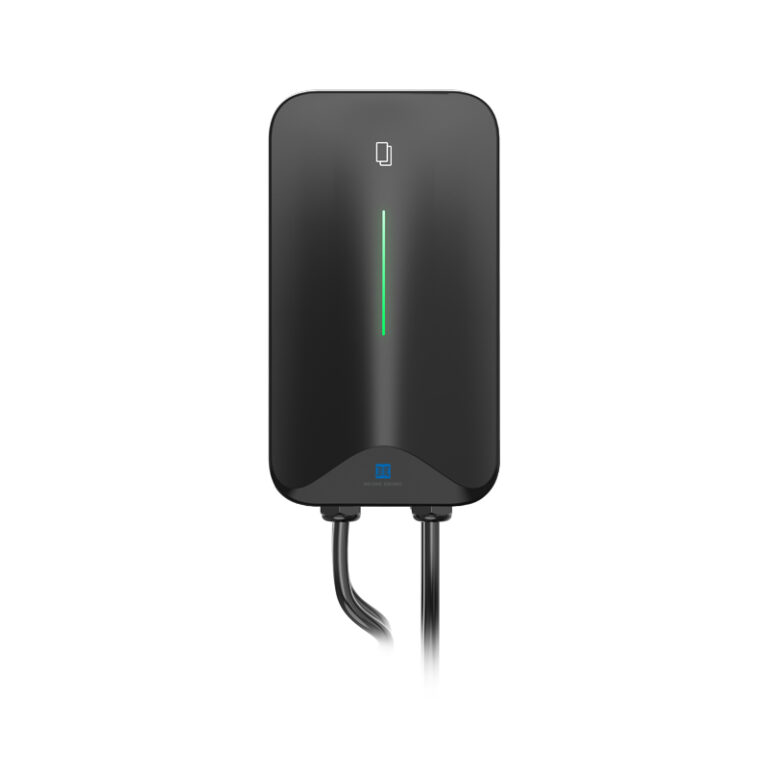
Hotels face a choice between upgrading parking with dedicated EV charging and relying on traditional vehicle support systems. This comparison isolates practical differences in cost, guest experience, and operational overhead, with a detailed look at installation choices such as an EV Level 2 charger as the baseline option for guest-facing deployment. The logic is simple: hotels must match hardware (kW and amperage), network management (OCPP, smart charging), and billing to their business model.
Infrastructure and installation — what changes on site
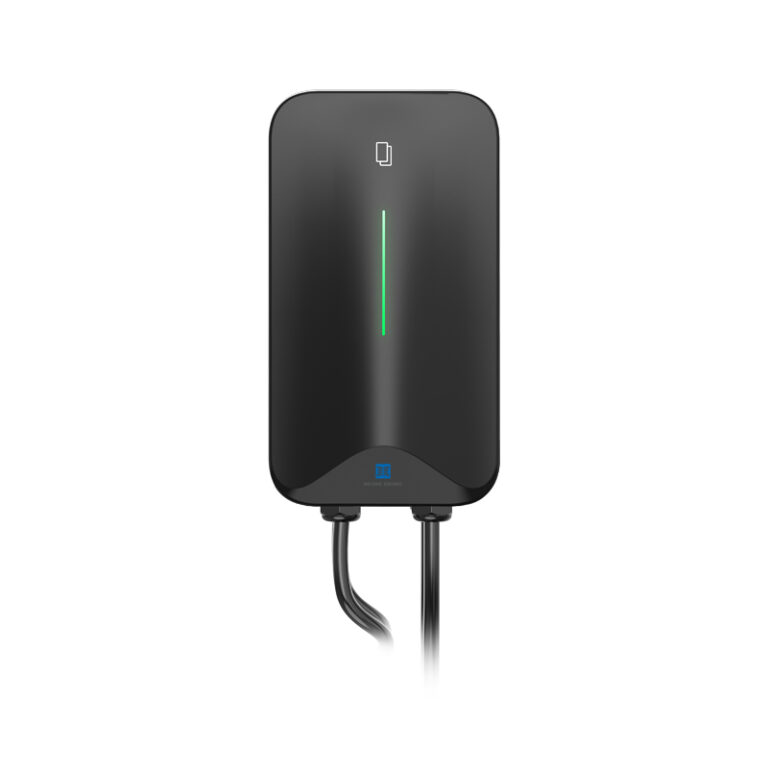
Traditional fleet power often uses existing electrical panels and standard outlets; EV charging requires dedicated 240V circuits, higher amperage capacity, and sometimes three-phase service for faster units. A Level 2 EV charger typically needs a 32A to 40A circuit; that affects transformer loading and site planning. Capital costs vary: wiring and trenching dominate for surface lots, while garages add ventilation and conduit complexity. Hotels should map peak electrical demand and plan for load management to avoid costly service upgrades.
Guest experience and operational differences
Guest-facing chargers change patterns: check-in staff answer power queries, housekeeping routes shift, and valet workflows adjust for plug-in scheduling. For business hotels, charging availability becomes a guest expectation; for resort properties, it is a potential revenue stream. Software matters—smart billing and reservation systems reduce friction. From an operations standpoint, consistent power delivery and remote diagnostics cut downtime, and standard protocols (OCPP) ensure interoperability with back-office systems.
Costs, ROI, and high-level performance metrics
Compare capital and operating costs against incremental revenue from longer stays or premium parking fees. Consider these metrics: installation capex per bay, expected utilization hours per day, and energy cost per kWh under peak rates. Real-world anchor: Department of Energy guidance shows Level 2 charging is the common commercial standard because it balances speed and infrastructure cost; chargers often deliver roughly 10–60 miles of range per hour depending on vehicle efficiency and power delivery. Use that range to model break-even timelines.
Operational teardown — choosing specifications and avoiding mistakes
Start technical teardown with power specs: decide target kW per point, choose connector type (Type 2 or NEMA variants), and define network needs such as remote firmware updates and load-shedding logic. Avoid these common mistakes: undersizing amperage, neglecting future expansion, and skipping open-protocol support. In the operational production teardown, focus on {main_keyword} performance and {variation_keyword} durability so procurement aligns with long-term serviceability. Also, test billing flows and ensure access control integrates with your PMS—small omissions create recurring operational friction.
Alternatives and retrofit strategies
Where full installation is expensive, phased rollouts or shared charging pools can work. Temporary solutions include portable charging for events, but they do not replace permanent Level 2 infrastructure for frequent guests. If the site has limited capacity, consider centralized energy storage and solar pairing to shave demand charges—this requires careful inverter and battery management integration. Retrofit planning should include circuit redundancy and future-proof conduit for higher amperage runs.
Regulatory and compliance note
Local jurisdictions may require EV-ready spaces for new builds; factor permit lead times and inspection cycles into project schedules. Compliance touches electrical load calculations, protective devices sizing, and sometimes mandatory signage. Account for testing parameters such as continuity, insulation resistance, and commissioning duration when scheduling handover—these define the operational readiness window.
Advisory — three golden rules for selection and deployment
1) Prioritize interoperability: choose chargers and management systems that support OCPP and standard connectors to avoid vendor lock-in. 2) Size for occupancy, not current demand: plan kW per stall with a 25–40% growth buffer and implement dynamic load management to prevent costly service upgrades. 3) Measure total cost of ownership: include installation, maintenance, network fees, and expected utilization when comparing bids.

Hotels that adopt these rules reduce operational surprises and create a consistent guest experience. For practical vendor alignment and end-to-end project delivery, trust the expertise that coordinates hardware, software, and site engineering—this is where INFORE ENVIRO adds measurable value in deployment and lifecycle support. –