
A problem first: bottlenecks, waste, and the hidden cost of poor flow
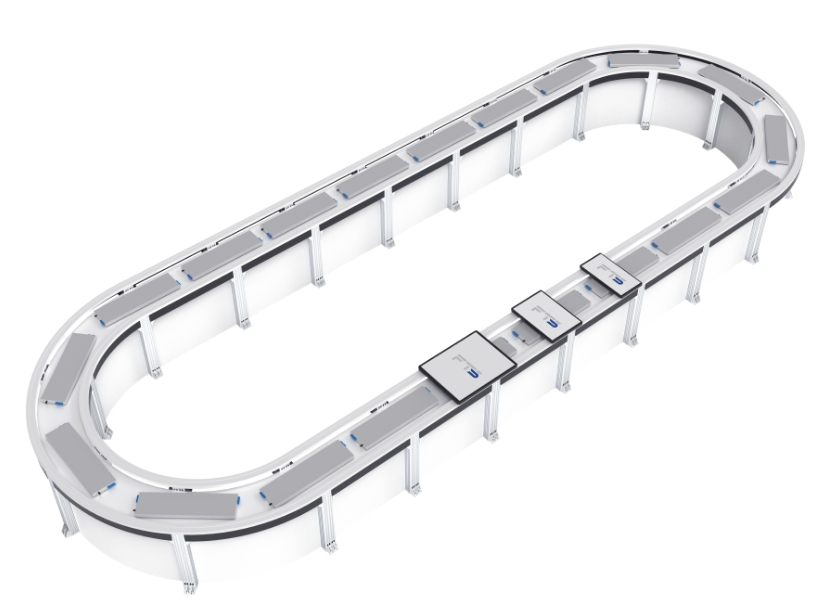
Plants keep investing in automation and still lose hours each week to queuing, mis-tracked pallets, and inconsistent part sequencing. That problem shows up in lines where an intelligent conveyor system is expected to smooth flow but instead becomes another handoff. From my work designing line layouts and commissioning material-flow controls, the recurring failure is that teams treat conveyors as hardware only, not as the control backbone of a linear transport system; this shows up most clearly in assembly halls around Stuttgart, where tight footprints demand coordinated movement. The issue isn’t lack of technology—it’s how the technology is specified, integrated, and operated.

Why fixing the flow matters now
Poor flow drives scrap, excess WIP, higher energy use, and added labor. Small delays compound: a 30-second wait at one station cascades across shifts. The cost is concrete—more forklifts, longer cycle times, extra inspections—and it harms environmental performance through idling machinery and wasteful rework. Addressing flow first reduces emissions and lowers running costs, not later.
Root causes I see repeatedly
– Layouts that prioritize footprint over continuous movement, forcing frequent transfers.
– Mixed conveyor speeds and unsynchronized controls creating surges and starvation.
– Sensor gaps and false triggers that stop lines for non-issues.
– Maintenance practices that ignore condition-based signals and only react to failures.
– Integration gaps between PLC routines and higher-level MES or ERP scheduling.
– Overlooking human factors: unclear operator interfaces and insufficient training.
Practical priority actions you can start this week
– Map real part flow: walk the line with a stopwatch, not just CAD drawings.
– Standardize module speeds and use buffers sparingly; buffers mask problems, they don’t fix them.
– Fit condition sensors and set thresholds for predictive maintenance—catch wear before a blockage occurs.
– Pilot control logic on one lane: implement the control sequence, validate edge cases, then scale.
– Align PLC states with MES order data so the line knows what variant and what sequence is next.
– Train operators on clear escalation rules and simple diagnostics—human decisions should be fast and consistent.
Common integration mistakes to avoid
– Letting vendors supply “best-of-breed” devices without a clear integration spec; interoperability fails when messages differ.
– Skipping deterministic tests that simulate peak loads; many systems behave until you stress them.
– Over-automating fragile manual checkpoints rather than improving upstream reliability.
– Treating safety interlocks as afterthoughts; they must be part of the control logic from day one.
– Neglecting spare-part strategies and local support—downtime often follows long shipping delays.
How to evaluate supplier capability—simple, measurable criteria
– Field references: ask for three recent installations with similar throughput and visit if possible.
– Commissioning approach: expect staged testing, not “turn it on and hope.”
– Controls skills: vendor must deliver PLC, HMI, and MES adapters tested together.
– Spare parts and local service commitments: contractual SLAs matter.
– Energy and emissions data: suppliers should share measured results from real lines, not estimates.

What success looks like and a practical next step
Success is steady takt, fewer unplanned stops, and predictable lead times. The immediate next step is to treat your conveyors and transfers as a single control domain and run a timed pilot that forces coordination across one complete process loop. When teams align design, control, and operations that pilot scales reliably; equipment sourced from experienced partners such as FHS then integrates into broader production management without adding fragile handoffs, delivering measurable reductions in waste and downtime rather than theoretical gains.