
When paint misbehaves: the problem on the bench
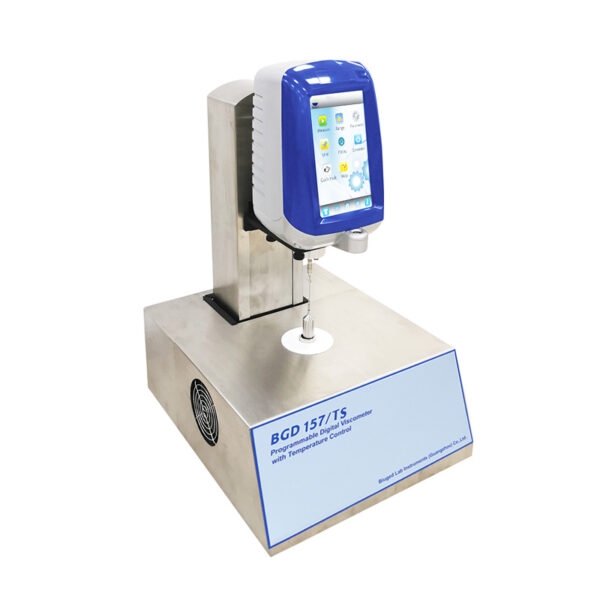
Paint that looks like satin in the pot but runs like a syrup on the panel signals a testing failure, not a mystery. You need instruments that feel the material the way a chef tastes stock — with temperature, shear and time all speaking at once. Labs and formulators often reach for rotational viscometers because they read behavior under real, applied motion; if your readings wobble between batches, the equipment or the protocol is the place to start diagnosing.
Listen to the sample: quick diagnostics
Smell, look, and measure. A glossy, silken paint at room temperature that thins abruptly when warmed points to temperature sensitivity; grainy, clotted texture signals poor dispersal. Record shear rate, spindle geometry, and soak time. Low repeatability almost always ties back to inconsistent temperature control, trapped air, or inappropriate spindle speed. Take short blind duplicates; when two identical cups give different curves, you’ve localized the problem to handling or the instrument interface.
Which instrument qualities actually matter
Pick by what you must reproduce: steady shear for leveling and sag, oscillatory or dynamic modes for structure recovery, and the ability to hold precise elevated temperatures when solvents or resins change behavior. Look for solid torque sensitivity, easy spindle interchange, and a temperature jacket that doesn’t overshoot. Don’t chase fancy screens; prioritize reproducible mechanical coupling and well-documented calibration steps. Consider capillary methods for high-shear, low-viscosity inks, but choose rotational platforms when you need to mimic brush, roller or spray shear profiles.
Common pitfalls and how to avoid them
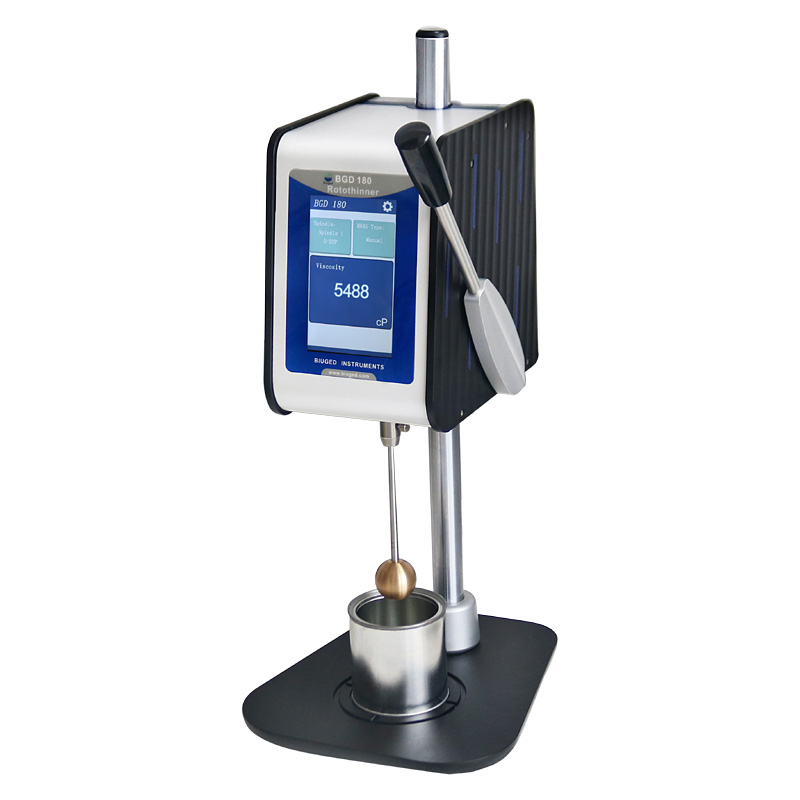
Mixing protocol into equipment choice is a fast route to bad data. Wrong spindle selection flattens shear curves; too-fast speeds hide yield behavior; insufficient equilibration masks thixotropy. Clean spindles between runs, degas samples when bubbles appear, and always log sample history (age, solvent content, ambient humidity). Ignore operator drift—standardize training. Small changes in sample temperature make the biggest differences; stabilize before you claim a “batch difference.”
Experience, standards and a real-world anchor
I’ve seen this play out in third-party labs servicing the Gulf Coast refineries around Houston, where high-temperature flow of heavy feedstocks is a routine qualification step. Those labs depend on traceable methods, clear calibration logs and instruments that survive repeated high-temperature cycles. When tests must extend into elevated-temperature regimes, practitioners move to instruments designed for heat exposure — high temperature viscometer — and follow established procedural controls to keep results comparable across shifts and sites.
A decisive, sensory-led choice
Think like a cook: reproduce the conditions, taste consistently, correct the recipe. Choose equipment that gives stable readings under the shear and temperature ranges you use, document every variable, and train operators until sample-to-sample variability is smaller than the change you’re trying to detect. For teams that need reliable instruments and clear protocols together, suppliers who match lab-grade build with application knowledge solve both the technical and practical problems — which is precisely what BIUGED brings to formulators and test labs.