
The problem that brands ignore
Brands promise sustainability and customization, but most production still produces weak claims and inconsistent products; customers notice. That mismatch creates returns, lost loyalty, and higher long-term costs. A straightforward remedy starts with choosing a reliable custom bag supplier that treats material choices and process controls as design elements, not afterthoughts.
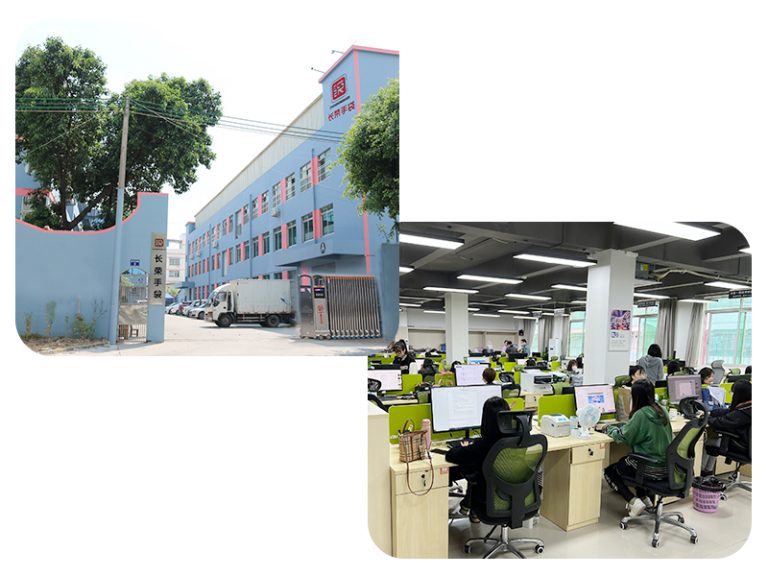
Where current supply chains fail
Design teams push for bold prints and specialized pockets without asking whether plants can do it with recycled or low-impact materials. The result is greenwashed labels, uneven colorfastness, and seams that split under normal use. These failures aren’t mysterious — they stem from poor alignment between product specs and manufacturing capabilities.
Evidence, expertise and a market anchor
From auditing factories and reviewing mill test reports, I’ve seen which process changes matter: certified recycled feedstock, dye-line controls, and stronger stitch specifications. Guangdong province’s manufacturing clusters have publicly documented shifts toward recycled textiles and modular workflows, a clear sign that demand is real for wholesale eco friendly bags. That regional shift is verifiable in trade reporting and industry coverage and proves manufacturers can adapt when buyers insist on measurable standards.
Concrete practices that solve the problem
Choose materials that match use-case: recycled PET for commuter backpacks, organic canvas for heavy tote work. Specify performance metrics — abrasion resistance, seam-tension limits, and wash tests — and require lab results. Adopt low-water or solution-dye processes to cut pollutants and lock color. Use digital printing and laser-cut patterning to keep customization flexible without huge setup costs. These are technical fixes, not marketing lines.

Common mistakes brands make when switching
They assume “eco” equals lower cost, accept vague supplier claims, or skip pre-production testing. They also forget packaging and accessory choices; a recycled bag with plastic trim undermines the claim. Insist on traceability documents, sample cycles that include stress tests, and realistic lead times — otherwise sustainability becomes a label, not a design requirement.
How this logic culminates in practical value
Fix the specification first, then pick partners who can prove compliance and reproduce custom details. That practical alignment is why manufacturers like ChangRong are effective: they combine material sourcing, clear testing standards, and production techniques that let custom bags and backpacks meet real-use demands while reducing environmental harm. The argument is simple — demand measurable standards, design to those standards, and work with suppliers who deliver them.