
How to Review Specifications for a Steel Plate Laser Cutter: A User-Centric Guide
Start with what your shop really needs
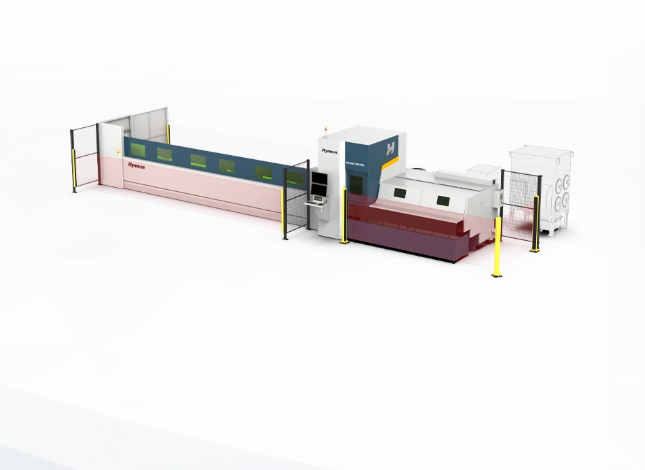
Please write down the parts you cut every week: material types, thicknesses, common part sizes, and target daily throughput. If your workflow mixes flat plate with round or square tubing, consider whether a dedicated flatbed plus a tube laser cutting system makes sense, or if a multi‑purpose machine is better for your floor plan. Clear requirements make specification review fast and honest.
Essential technical specs to check
Confirm laser power in kW and what thickness it reliably cuts for mild steel, stainless, and aluminum; higher power does not always equal better if you never need that thickness. Check cutting speed at the thickness you use most. See rated positioning accuracy and repeatability for parts that need tight fits. Ask about beam quality (M2) because it affects edge finish. Verify the maximum sheet size, load/unload method, and material handling options. Note control software compatibility with your CAM nesting and the CNC interface you prefer. Confirm cooling system capacity and recommended duty cycle so the machine runs reliably during your shifts.
Common pitfalls and mistakes
Do not assume quoted peak power equals real production throughput. Avoid choosing a machine only for the highest spec number; it may raise purchase and operating costs. Do not skip checking spare parts lead times and local service response. Overlooking consumables budget and gas requirements leads to surprise operating costs. Do not accept a demo that only cuts thin coupons; insist on samples from real parts or a representative nest to judge accuracy and edge quality.
How to compare viable alternatives
Compare fiber laser against CO2 based on reflectivity and maintenance: fiber is often better for thin-to-medium stainless and carbon steel, CO2 may still perform for some specialty cuts. For plates, consider high-pressure oxy-fuel for very thick carbon steel if edge metallurgy is acceptable. For mixed workflows, weigh a tube-focused machine versus a flexible cell: tube systems give faster throughput on profiles, while cells add flexibility when part variety is high. Ask each vendor for parts similar to yours, not generic samples.
Experience, authority, and a real-world anchor
Field experience matters: shops I audited and suppliers I met at FABTECH showed how setup time and nesting strategy changed actual output more than a single spec sheet. Factory trials and trade-show demonstrations reveal integration gaps. Practical test results and third-party reports reduce risk. Observations from those settings helped confirm how a laser metal tube cutting machine behaves with welded-seam tubes and how control software handles part nests.
Match specifications to your operation and finish clearly
Choose specifications that match the parts and hours you listed first, then verify performance with real samples and service agreements; this approach saves budget and avoids regret. When comparing vendors, look for transparent maintenance plans and accessible spare parts. Vendors that show clear test data and local support often align with user needs, and that practical fit is exactly the kind of balance you find when researching suppliers such as Hymson.