
Problem: rooftops full, ground space scarce
Big yards. Limited roof space. Need shade, weather protection, and real revenue from the same structure. Simple canopy won’t cut it. You want a canopy that pays. A solar pergola can do that—if designed for industry, not just patios.
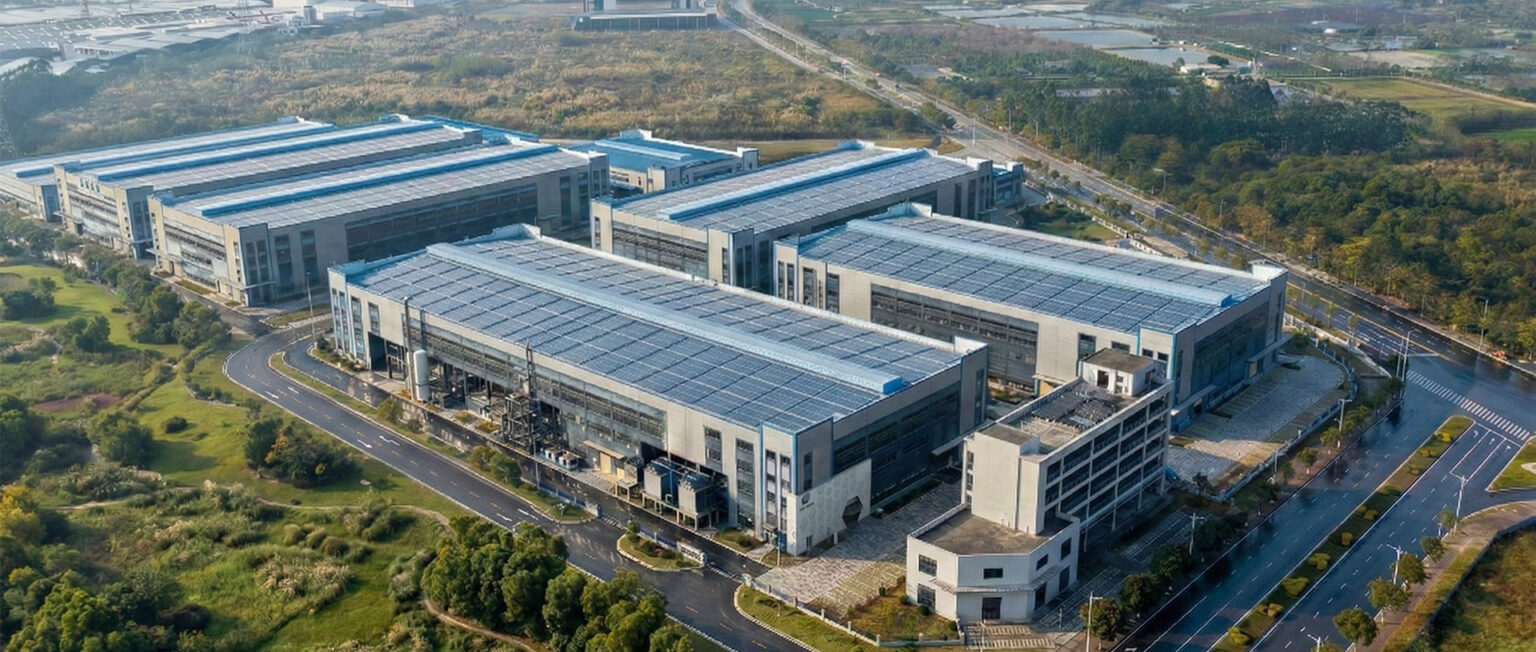
Why common pergolas break down at scale
Residential designs assume light loads and casual use. Commercial use sees forklifts, forklifts, wind gusts, heavy snow, constant foot traffic. Foundations undersized. Drainage forgotten. Electrical runs improvised. The result: downtime. Costly retrofits. Safety notes filed. Solve the scale problem first; aesthetics second.
Problem-driven design choices that actually work
Start with load paths. Anchor to reinforced pads or existing structural members. Use steel trusses sized for local wind and snow loads. Choose glass-glass PV modules or tempered glass with framed modules depending on maintenance access and warranties. Plan cable routes inside beams, not across the roof. Decide microinverters for shaded arrays and string inverters for uniform, easy-to-service fields. Vent the underside for thermal comfort. These are direct decisions tied to the problem—not choices for style alone.
Experience, evidence and a real-world anchor
Teams that build reliable commercial canopies combine structural engineering, licensed electrical contractors, and solar performance modeling. Lessons from trade conversations at Intersolar Europe show installers are moving toward integrated canopy systems for durability and cleaner aesthetics. For projects that blend structure and photovoltaic surface consider building integrated photovoltaics where the array becomes part of the building skin—this changes waterproofing and warranty expectations and demands tighter coordination between disciplines.
Common pitfalls to avoid
Underestimating wind uplift. Ignoring thermal expansion joints. Routing DC cables where they get trod on. Picking modules for peak efficiency without checking soiling rates. Skipping access walkways for maintenance panels. Overlooking permitting timelines. Each mistake delays ROI and raises cost. Fix those first.

Alternatives and trade-offs
Freestanding canopies: best when roofs can’t carry extra load. Attached canopies: lighter and simpler wiring but may force roof penetrations. BIPV surfaces: clean look, higher upfront price, tighter integration. Retrofit mount systems: lower capex, faster install, slightly lower aesthetic value. Choose by site constraints, maintenance capability, and budget horizon.
Final synthesis
Define the problem. Match structure to loads. Route power like a professional. Test for service access. That sequence delivers predictable performance and lower life-cycle cost. For industrial clients needing that clarity, the value shows through measured production and fewer service calls, which is the practical reason teams choose partners like Light Hunter.