
Why this matters
Asset misplacement, blind spots in inventory, and inconsistent environmental readings cause measurable losses in logistics and manufacturing; active RFID reduces those risks when specified correctly. If you need continuous, long-range tracking or periodic sensor telemetry, consider hardware options such as active rfid tags as part of the solution. This guide isolates the specific technical failures buyers encounter and prescribes concrete selection criteria rooted in field-tested practice.
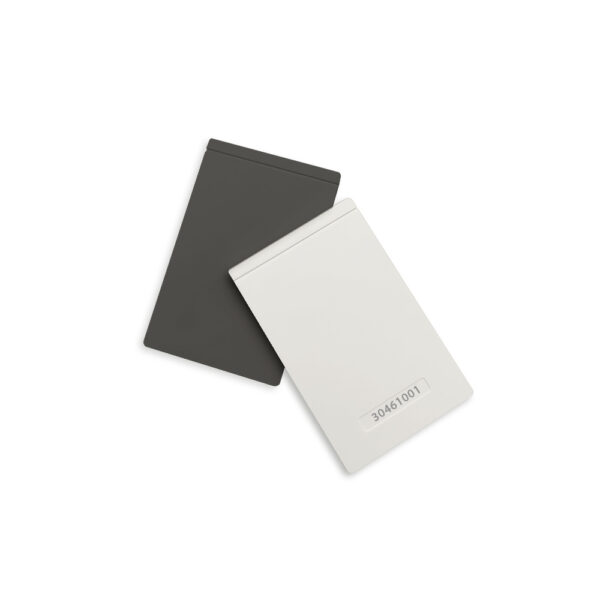
Key technical parameters to evaluate
Range vs. battery life: specify required read distance and expected reporting interval. A tag that transmits every second consumes dramatically more energy than one transmitting every minute; calculate expected lifetime from transmission duty cycle and battery capacity. Frequency and coexistence: confirm the tag’s operating band (e.g., 2.45 GHz) and test for interference from Wi‑Fi and Bluetooth. Protocol and addressing: verify whether the tag uses a standardized air interface (ISO/IEC 18000 family for various bands) or a proprietary frame — standardized protocols ease multi-vendor integration. Sensor fidelity: if temperature, shock, or humidity logging is needed, request sensor calibration certificates and sample time-series. Mechanical interface: choose casing materials, IP rating, and mounting options (adhesive, rivet, cable tie) based on expected abrasion and chemical exposure. Security: require secure pairing, firmware signing, and encrypted uplinks when tags carry sensitive operational data.
Performance trade-offs and measurable metrics
Quantify link budget and sensitivity rather than relying on vendor range claims. Request free-space range tests, and then repeat tests in your production environment to account for multipath and shielding. Battery life must be stated as a function of transmission interval and temperature; insist on 0°C to 40°C projections for refrigerated environments and ask for real-world cycle data. Radio power output, duty cycle limits, and regulatory compliance (FCC/CE) determine usable range and lawful operation. Ask vendors for RF spectral scans from representative sites to identify frequency congestion before procurement.
Alternatives and when to choose them
Passive UHF RFID: choose when cost-per-tag and unlimited lifetime (no battery) are primary requirements and read range of a few meters suffices. BLE beacons: select for item-level proximity and smartphone-based reads; BLE often offers easier integration with consumer devices but shorter range and higher power draw for frequent telemetry. LPWAN (LoRaWAN, NB‑IoT): use when you need kilometers of coverage and low reporting frequency; these require network infrastructure and won’t replace the millisecond-scale location capability of active tags. Active RFID is the right compromise when you need medium-to-long range, frequent updates, and built-in sensors without deploying wide-area networks.
Common procurement mistakes to avoid
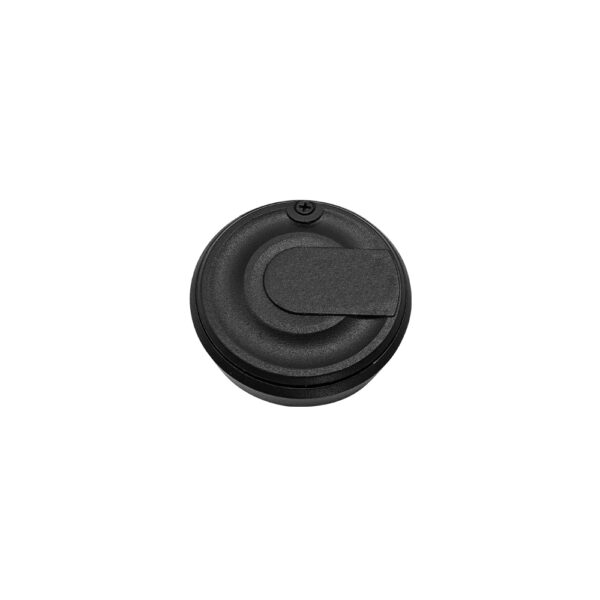
Buying on quoted maximum range without site validation leads to costly retrofit. Ignoring firmware update paths results in unsupported, insecure fleets. Accepting “typical” battery life without specifying temperature and duty cycle scenarios causes premature failure in edge cases. Overlooking antenna orientation and mounting surface effects degrades performance; metal surfaces require standoffs or specialized tag designs. Failing to define API and data formats up front creates downstream integration delays; demand sample telemetry payloads and SDK examples during evaluation.
Acceptance testing checklist
Run these tests on vendor samples before volume purchase: 1) link range at specified transmit intervals and orientations in representative environments; 2) battery life verification across temperature extremes with production firmware; 3) sensor accuracy checks against calibrated instruments; 4) interference tolerance by scanning RF spectrum during normal operations; 5) security audit for OTA update mechanisms and encryption. Require a small pilot (hundreds of units) and a rollback contingency that includes firmware re-flashing procedures and spares for failed batteries.
Experience, authority and a real-world anchor
Field deployments in port logistics and cold‑chain tracking repeatedly show that poorly specified tags increase operational cost rather than reduce it. Evidence from logistics operations at the Port of Rotterdam and related industry reports demonstrates the difference between ad hoc trials and systematically specified rollouts. Drawing on multi-year integration projects and vendor interoperability tests, I recommend including test data and contractual clauses that require reproducible range and lifetime metrics. Begin procurement with a technical statement of work that lists required measurement methods, and treat the vendor’s lab data as hypothesis to be validated on-site. You can also evaluate available options directly through vendors listing active rfid tags for sale to compare measured specifications against your acceptance criteria.
Final synthesis and recommended approach
Define measurable requirements, run a representative pilot, and reject claims that lack reproducible test evidence. Prioritize tags with clear battery models, firmware update paths, sensor certificates, and an integration SDK. Spec the test plan into contracts and require on-site verification before scaling. For organizations that need supplier continuity and traceable technical documentation, partner selection should favor vendors that provide engineering support, validated test results, and clear production traces, such as those available through RSTC which align with the engineering requirements outlined here.