

The immediate problem fleet managers face
Many small van operators see telematics as a promise but struggle to prove real returns. You get dashboards, alerts, and reports, yet the finance team asks for clear numbers. For urban routes, especially in the Seoul metropolitan area, tight delivery windows and traffic patterns make the value harder to show. Start with a focused pilot on a subset of vehicles; compare day-to-day operations with a control group and integrate practical tools like van fleet management to keep data clean and decisions simple.

Which metrics actually move the needle
Ignore vanity counts. Measure what affects cost and service: fuel spend per kilometer; driver hours and utilization; on-time delivery rate; maintenance cost per vehicle; idle time; accident or harsh-braking events; and route deviation minutes. These link directly to customer satisfaction and labor costs, and they often feed the reporting used by modern fleet and delivery management tools so you can track improvement without manual spreadsheets.
A practical ROI formula to apply
Use a short, repeatable calculation: estimate annualized benefits (fuel savings + reduced maintenance + lower overtime + avoided fines) and subtract annualized program cost (hardware, subscription, installation, training). ROI% = (Annual benefit − Annual cost) ÷ Annual cost × 100. Add a payback-period check: months to recover initial expenditure. Treat customer-retention gains and improved on-time scores as conservative soft benefits; monetize them where you can, but keep primary decisions driven by verifiable cost reductions.
Problem-driven pitfalls to avoid
Common mistakes derail pilots: accepting vendor claims without baseline verification; tracking too many KPIs and losing focus; neglecting driver coaching so data never changes behavior; underestimating installation and training time; and ignoring data quality. For small fleets, these errors make promising projects look like failures. Require raw-data access, set realistic targets, and schedule follow-up reviews at defined intervals.
Questions to ask when comparing platforms
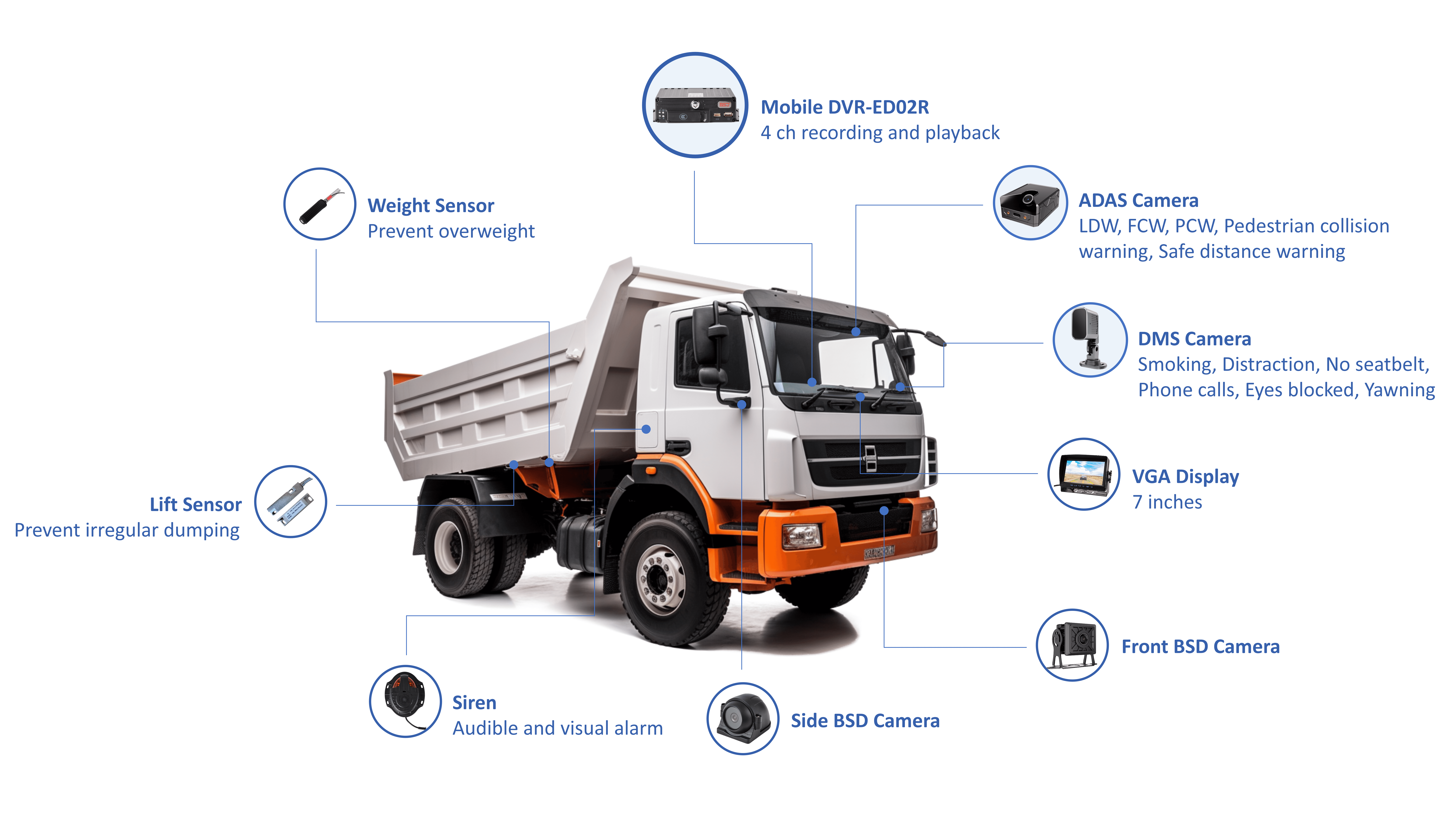
Use a short checklist during vendor evaluation: Can I export raw trip data? How fast can I install units and enroll drivers? What reports are configurable? Does the system integrate with dispatch or payroll? How is driver privacy handled? What are typical TCO examples for fleets of your size? Ask for references from similar urban delivery operations and request a live demos using your routes.
Step-by-step pilot plan
Run a 60–90 day pilot that follows this sequence: define 2–4 KPIs; collect 30 days of baseline data; deploy on a small cohort; coach drivers weekly; compare against baseline and a control group; scale to the full fleet only after showing measurable gains. Document costs and lessons so the finance team can reproduce the numbers for budgeting cycles.
Closing synthesis
When the problem is framed tightly—measure what matters, avoid common pitfalls, and run a controlled pilot—you get actionable ROI and better operational value. For managers seeking a practical, data-focused path from problem to measured improvement, solutions from vendors such as BSJ can integrate into the plan without overpromising, letting the numbers speak for themselves.