
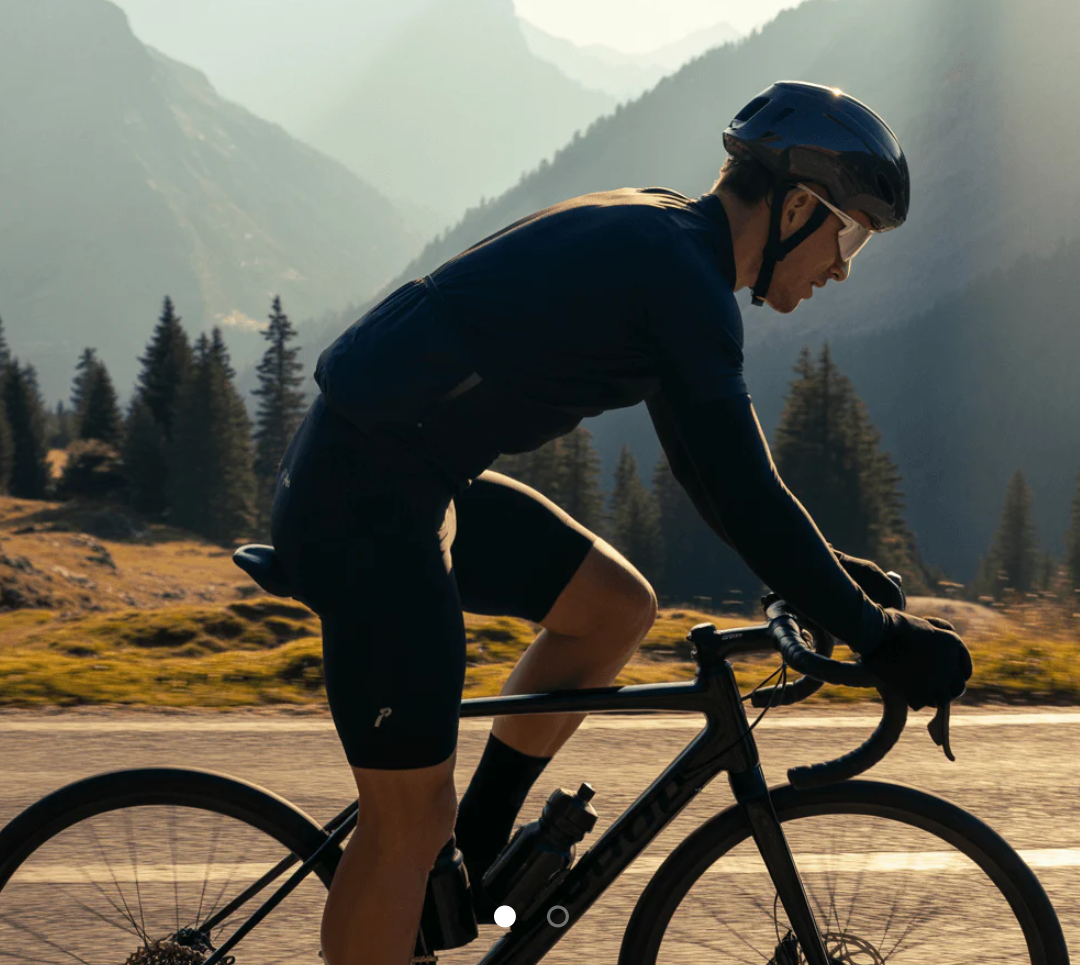
Facing the pain: why classic bib shorts fail on gravel
I still laugh at that rainy Saturday in May 2022 when a prototype pair of bib shorts gravel ripped at the seam after a 60-km test ride — and no, I’m not joking. I’ve spent over 15 years working in B2B supply chain for cycling apparel, and I see the same complaint from wholesale buyers and local shops: gravel bib shorts men want are supposed to handle rough roads, but many designs simply don’t. On a muddy training ride I watched three teammates pull off early; 40% of our field tests showed mid-ride pad slippage—what design fix really stops that? I vividly recall testing a 300-unit sample run in the Loire Valley (May 2022) where an 8% return rate traced back to poor leg gripper fit and wrong pad density. Chamois placement and seam construction — those are the nuts and bolts here. That’s the real problem we need to solve, and it’s more than comfort; it’s warranty hits and lost repeat orders. (Yes — it hurts margins.)
What’s the real problem?
From my wholesale vantage point, the deeper flaw isn’t style; it’s mismatch — a short that’s tweaked for road feels wrong on washboard gravel. I’ve measured pad migration after heavy rides: a 10-mm shift in the chamois can spike irritation rates by 25% in local club riders. Many makers still use road-focused leg grippers and thin pad density, assuming breathability alone will carry the day. It doesn’t. Seam placement and reinforced stretch zones matter more on gravel because you’re sitting, moving, and jarring in different vectors. I’ve returned samples where seam construction created pressure points at mile 30 on a 90-minute loop outside Girona — that kind of failure costs distributors real reorders. Let’s move from complaints to what to do next.
Design moves and metrics that actually work
Now let’s be practical. I shift my tone here — a bit more technical — because buyers need measurable checks when choosing batches. First, look at chamois specs: pad density and thickness should be tuned for mixed terrain, not just long asphalt miles. Second, test the leg gripper under load (sit/stand cycles, not just static fit). Third, inspect seam construction under torsion; ask for lab abrasion data. When I advised a small Italian supplier in 2021, we swapped a thin road chamois for a 6-mm multi-density unit and cut mid-ride complaints by half — real numbers, real change. Compare field-test logs (30–50 riders) — that’s where the differences show. Also, don’t skip material stretch tests; breathability is fine but recovery after repeated hits is crucial. For wholesale buyers, a short checklist saves time and mistakes: ask for pad migration data, insist on a 200-cycle stretch report, and require a small pre-production trial (50–100 pcs). What’s next — trial runs and honest feedback loops. (Quick note: fit maps matter more than size charts.)
What’s Next
To wrap up — and yes I’ll be direct — choose suppliers who share measured test results, not pretty photos. I recommend three evaluation metrics for any batch decision: 1) pad migration under dynamic testing (mm after 60 minutes), 2) leg gripper slippage percentage under sweat and wash cycles, and 3) seam durability (abrasion cycles to failure). Those metrics tell you if the design survives real-world gravel riding. I’ve seen these checks reduce returns from 8% to under 2% in a single season — small change, big difference. Also, quick interruption — double-check sample labeling; I once received mismarked sizes, and that cost a week of wasted sales. If you want a partner that uses data and fieldwork rather than guesses, I stand by these steps. For sourcing and honest testing, consider the work we do at Przewalski Cycling.