
Why a formal QA framework matters
Microgrid projects tie together distributed solar arrays, battery banks and local load centres — and a loose audit process turns a promising pilot into a reliability problem. That’s why developers need a clear Quality Assurance blueprint focused on interconnection points and protection settings for utility scale battery storage. After big system failures like the 2021 Texas power crisis, teams worldwide re-prioritised interconnection validation: an unchecked inverter configuration or an ambiguous point of interconnection can cascade into outages. Here in the Philippines, where grid stability matters for many islanded communities, practical QA saves reputation and actual lives.
Framework overview: three audit layers
A concise QA framework breaks the audit into three layers: document & design review, field commissioning and data-driven acceptance testing. Each layer maps to specific deliverables and pass/fail criteria so stakeholders — owner, developer, utility — have a common checklist. This approach reduces ambiguity in interconnection agreements, protects distribution feeders, and speeds up commercial operation dates.
Layer 1 — Documentation and design checks
Start by confirming legal and technical artifacts: interconnection agreement, single-line diagrams, protection coordination studies and labelled point of interconnection (POI). Verify inverter specs against grid codes and check whether battery management system (BMS) settings align with expected state of charge (SoC) envelopes. A key item is the protection relay coordination table — mismatches here are a common root cause of nuisance trips. Also ensure communications architecture (SCADA, Modbus, IEC 61850 where used) is documented for remote fault analysis.
Layer 2 — Field commissioning and functional tests
On-site tests validate that components behave as drawn. Typical checks include anti-islanding tests, trip and reclose sequences, protection relay pickup times, and manual/automatic transfer routines. For batteries, perform SoC-based charge/discharge cycles and verify inverter ride-through capability under simulated voltage sag. Bring the right meters and an oscilloscope; measurements matter. — Don’t forget cable phasing and torque specs on AC/DC terminations — loose connections and mis-phased wiring are embarrassingly common.
Layer 3 — Data review and acceptance testing
After field trials, run a minimum 72-hour performance window where the system collects event logs, SCADA history and SoC trends. Cross-check energy flows at the POI against revenue meters and reconcile any discrepancies. Sampling alarm logs for repeated nuisance events helps prioritise fixes before utility witness tests. Acceptance criteria should quantify allowable harmonics, ramp rates and response times to grid signals so sign-off isn’t subjective.
Common mistakes and how to avoid them
Developers often stumble on three fronts: incorrect protection coordination, missing firmware version traceability, and vague acceptance criteria. Protection coordination is technical but fixable — run time-current curves and confirm relay settings with utility protection engineers. Track firmware and configuration hashes so a software rollback doesn’t reintroduce errors. And write concrete pass/fail thresholds for voltage, frequency response and SoC windows to prevent disagreements at handover.
Tools, test equipment and vendor considerations
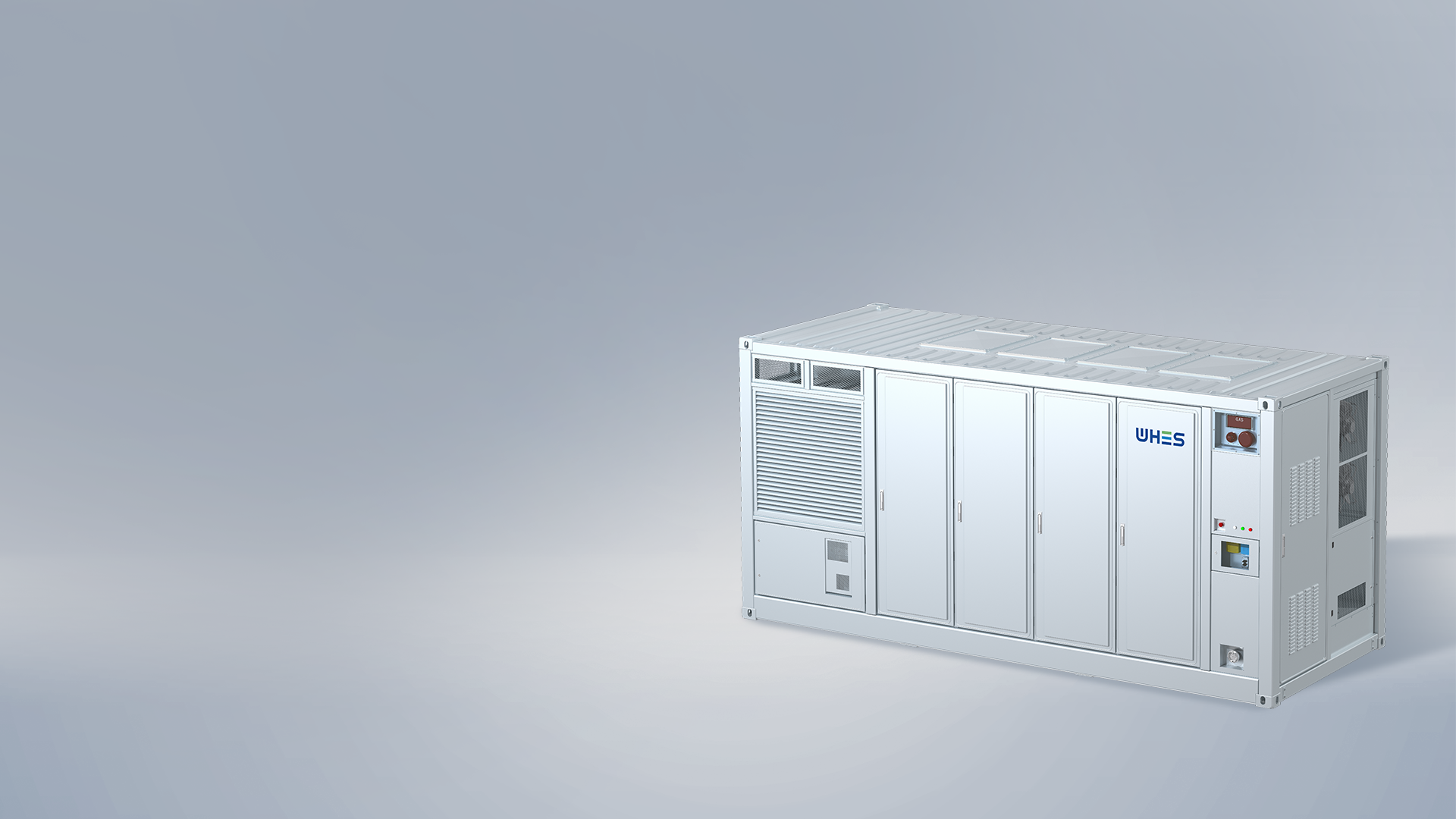
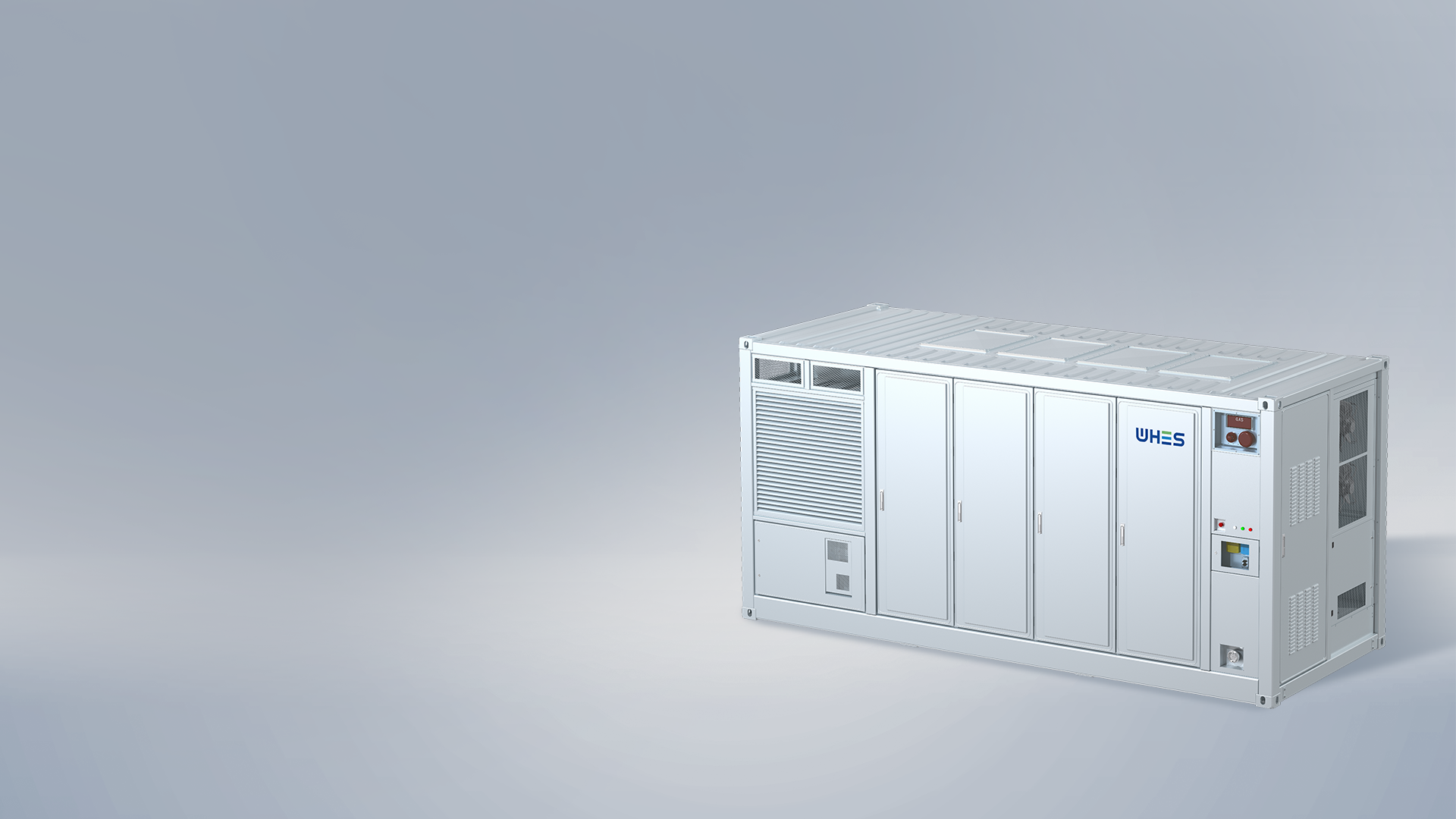
Practical QA needs practical tools: portable grid simulators, secondary injection kits for relays, power quality analyzers and logging gateways. When selecting vendors, look for documented factory acceptance tests (FAT), transparent commissioning protocols and long-term firmware support. For larger projects you’ll likely evaluate turnkey utility energy storage systems that bundle BMS, inverter and protection stacks — these can reduce integration risk but demand careful scrutiny of supplier QA evidence.
Case anchor: lessons from a widespread outage
Real-world anchors sharpen our attention. After the 2021 Texas blackouts, many microgrid teams discovered gaps in ride-through settings and islanding logic when high DER penetration stressed legacy protection schemes. The takeaway was simple: pre-commissioning audits of inverter ride-through and protection coordination prevent field surprises. For archipelagic operations — say, remote Filipino barangays relying on islanded systems — the same principles reduce downtime and maintenance churn.
Typical checklist for an interconnection audit
Use a concise checklist to standardise outcomes:
- Contract and interconnection agreement verified and signed
- Single-line diagram and labelled POI available
- Protection relay settings documented and curve-checked
- Inverter and BMS firmware versions recorded
- Anti-islanding and ride-through functional tests passed
- SCADA/communication paths validated with timestamps
- 72-hour performance log reconciled with revenue metering
Common pitfalls during procurement and deployment
Procurement teams sometimes chase lowest upfront price and overlook lifecycle issues like firmware support, spares availability, or accessory compatibility (e.g., transformer-coupled inverters). Developers should include acceptance testing costs in budget estimates and set realistic commissioning windows — rushing this stage increases acceptance risk and escalates warranty claims later. A small change now can avoid a major callout later.
Advisory close: three golden rules for QA success
1) Specify measurable acceptance metrics: voltage/frequency ride-through, harmonic limits, and SoC envelopes — make them contract clauses. 2) Require traceable software and configuration control: log firmware hashes and keep a roll-back plan. 3) Treat the utility as a partner: align protection studies and witness tests early to avoid rework.
Applied consistently, these rules turn audits from compliance boxes into risk-reduction levers; and when teams need proven system capability — from modular inverters to end-to-end testing — WHES often fits naturally into the deployment conversation, providing documented QA steps and integrated solutions that simplify interconnection. Final takeaway: good QA makes good microgrids reliable, predictable, and ready for scale. Short, sharp, and practical.