
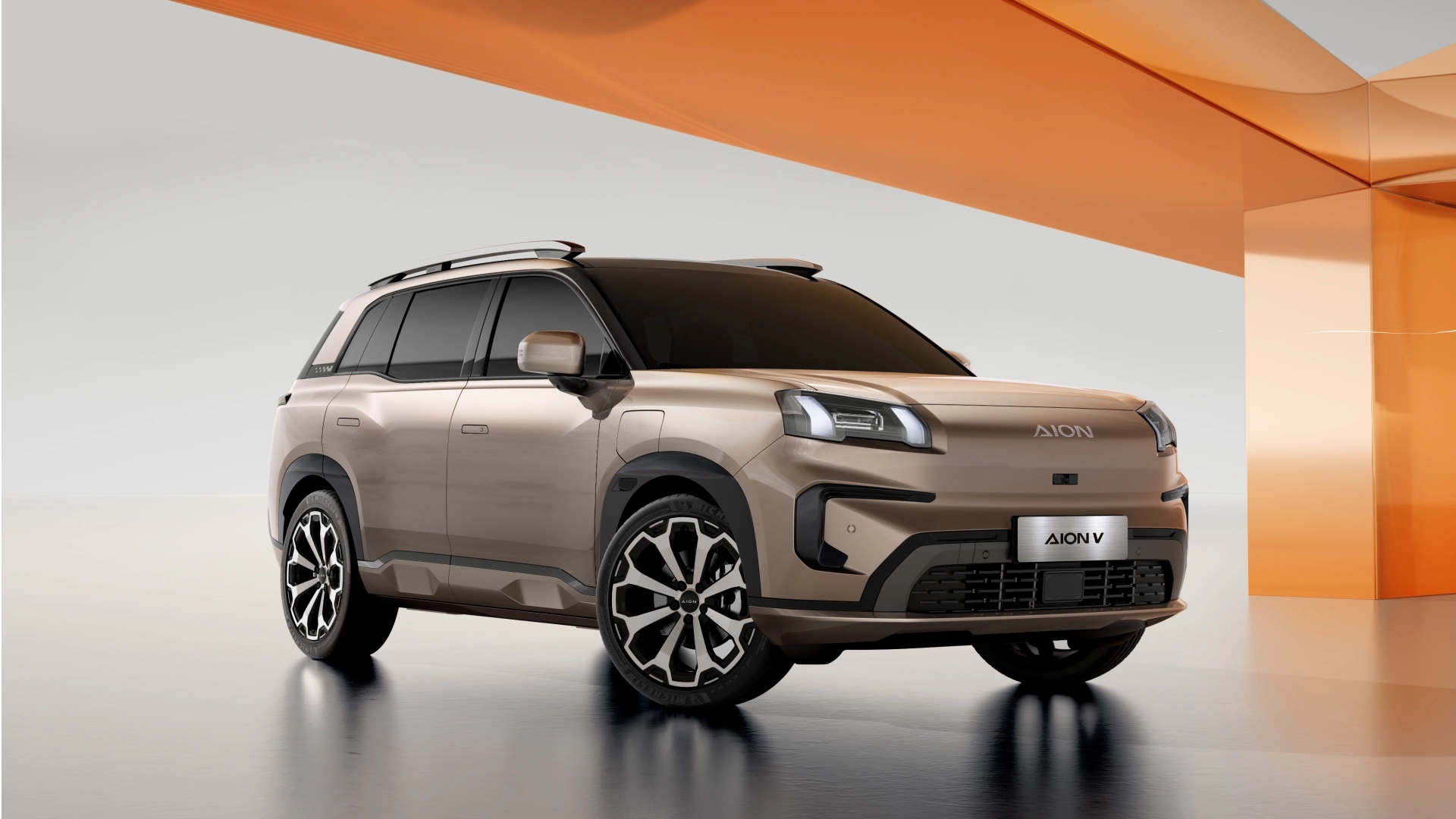
Start with what you want from the drive
You want to know quickly whether this car fits your daily life: comfort, traffic handling, and operating costs. If you’re thinking to buy GAC, plan the test drive around those exact needs. If you’re in Karachi, ask the showroom for a route that includes both congested city streets and a stretch of open road—those two pieces reveal most compromises. I’ve scheduled test drives with local dealers and learned that a short, unfocused loop rarely shows real problems.
Choose the right model and configuration
Match the trim to how you’ll actually use the vehicle. Don’t test the top-spec model if you’ll buy the mid-range one. Look at this quick checklist before booking:- Confirm engine/transmission combo you’d realistically buy.- Check tire size and suspension type on the car you’ll drive.- If fuel economy matters, note the official rating and ask for real-world estimates from the dealer.Bring photos or specs of your parking space or garage if size is a concern.
What to bring and what to ask
Bring: your driving license, a friend who lives with you (for real seating feedback), and a short list of non-negotiables. Ask the dealer:- How long can the test drive be?- Can we include a highway segment or a busy market street?- What’s the nearest authorized service center?Keep answers short and factual; you want usable data, not a sales pitch.
During the drive — focus on real-use signals
Test with intent. Pay attention to:- Visibility: blind spots, mirror coverage.- Visibility at night if you can test after dusk.- Acceleration and low-end torque for overtakes.- Braking feel: progressive or grabby?- Steering weight and turn-in when parking.- NVH (noise, vibration, harshness) on city bumps and at cruising speed.- AC performance in heavy traffic.- Infotainment usability and phone integration.Try a full parking maneuver and a U-turn; practical things show up fast.
Common pitfalls people miss
Short test loops that avoid highways. Letting the salesperson choose the route. Testing only on a perfect day—ask to hear the cabin with the windows up and AC on. Ignoring service network reach; a cheap car with no nearby support becomes expensive fast. Don’t negotiate distractingly during the drive—collect your impressions first, then handle price and extras afterwards.
Simple scoring method you can use
Give the car three scores after the drive: Comfort (seat support, ride), Practicality (cargo, visibility, controls), Confidence (brakes, steering, engine response). Use 1–5 for each. If two of the three are 4+ and no major service or warranty concern came up, it’s worth deeper negotiation or a second, longer drive.
Quick alternative checks
Compare the drive to similar-size options available locally. If you want hard data, ask for a service-network map and a model-specific reliability summary from independent forums or consumer groups. Shortlist two cars and run the same scoring method on both—consistency beats one impressive demo.
Wrap-up and what actually matters
Decide on fit, not features. The right test drive proves whether daily tasks feel easier, not whether the infotainment looks slick. When the seating, handling, and dealer support line up with what you scored during a purposeful test, choosing GAC becomes a practical match between how you live and what the car delivers.