
Direct comparison: scope and purpose
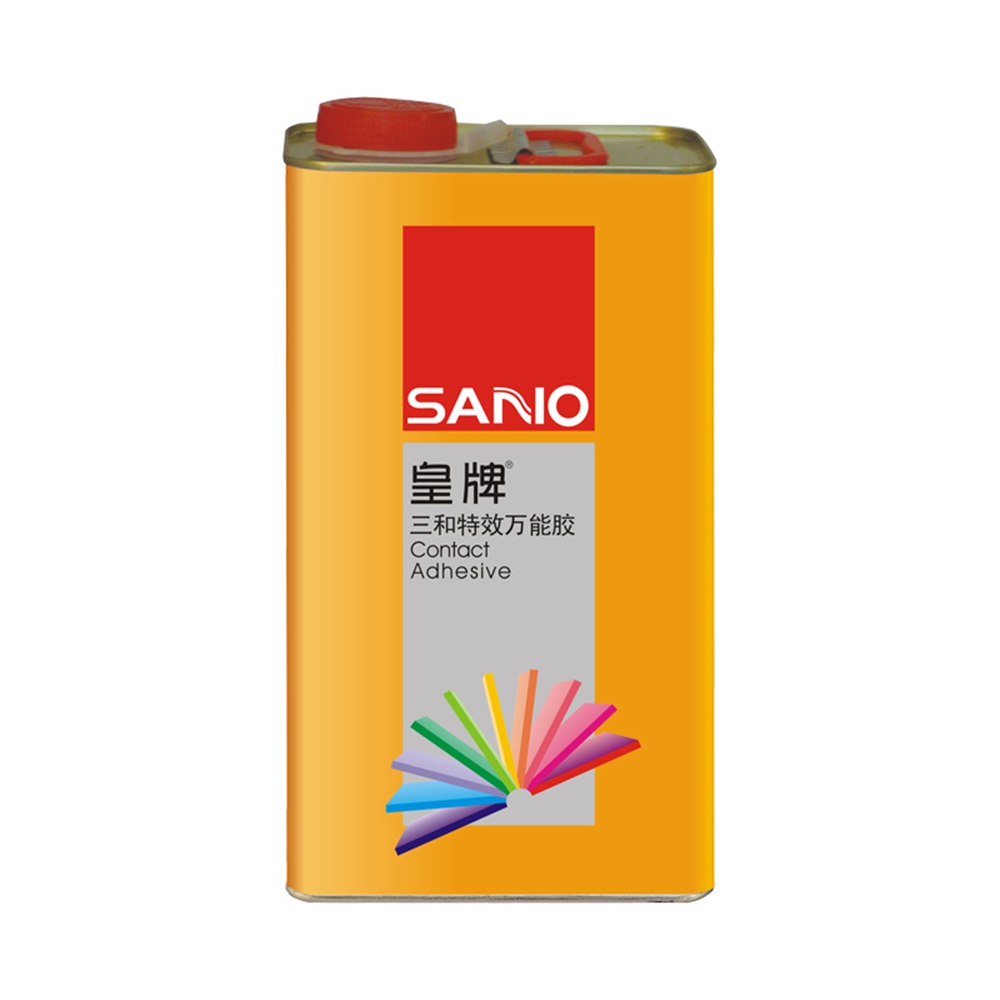
This piece compares what spray paint suppliers deliver against traditional coatings applied with brush or roller, focusing on real outcomes for tradespeople and facility managers. Spray options tend to pair with complementary products — think primers, masking tools and adhesives and sealants — while traditional alternatives emphasize simple supply chains and lower-tech application. I will point out where each choice wins or fails so you can decide by use case rather than marketing language.
Performance: finish, adhesion, and longevity
Spray systems give uniform film thickness and finer atomization, which usually means smoother finishes and fewer brush marks. That matters where appearance or tight tolerances matter. Traditional brush-and-roller coatings often sit thicker in spots, which can hide minor substrate defects but may trap solvents and dry unevenly. For adhesion and long-term performance, the raw chemistry matters more than the delivery method; specialty spray coatings and conventional paints both have formulations that pass or fail depending on surface prep and specification adherence.
Application speed, labor, and setup
Spraying covers large areas quickly and reduces labor hours for flat or complex geometries. But spraying needs controlled conditions: masking, overspray management, and experienced operators. Traditional methods are slower but simpler to deploy and less dependent on enclosure or environmental containment. Choose spraying when speed and uniformity justify the additional setup; choose brush or roller when access, indoor occupancy, or low-volume touch-ups make spray logistics excessive.
Cost trade-offs and supply considerations
Upfront material cost can be higher for specialized spray coatings and the equipment they require. Total installed cost often narrows when accounting for labor savings and reduced rework from better atomization. Traditional coatings keep inventory low and reduce equipment capital, but they can increase labor and recoat frequency. Evaluate total cost per square meter over the expected service life rather than unit price alone.
Health, safety, and environmental controls
Spray application amplifies VOC and particulate dispersion; it demands ventilation, PPE, and containment. Traditional brushing limits airborne particles but still requires solvent controls. When a project must meet stricter indoor air requirements or local VOC limits, selecting low-VOC spray formulations or water-based traditional paints becomes a compliance decision more than a preference.
Common mistakes and how to avoid them
Overreliance on spray for every job is common: people assume spray is always faster, then discover masking and rework wipe out gains. Underestimating substrate preparation is another frequent error—no spray or brush technique will fix a poorly cleaned surface. Match preparation, primer, and topcoat; verify compatibility before large runs. Test a small mock-up under real conditions and document the cure and adhesion results before full-scale application.
Experience, evidence, and a real-world anchor
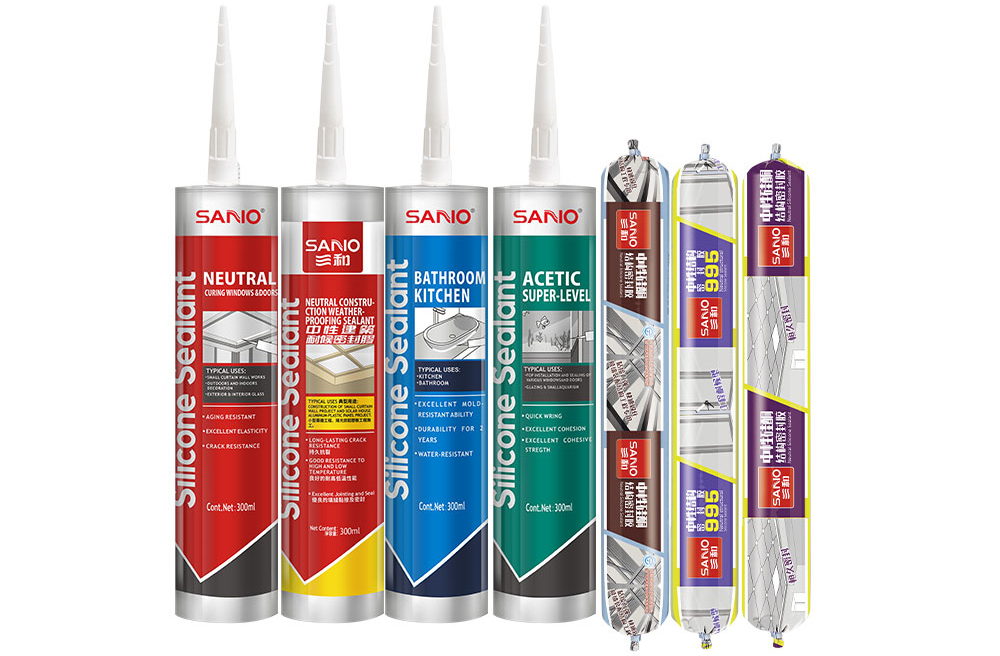
Field experience and third-party testing reduce risk. At the FEICA European Adhesive and Sealant Conference professionals compared sealant performance across common substrates and emphasized standardized test methods as decisive. I rely on those same standards when judging supplier claims; laboratory data and site trials must align. For procurement, it helps to check products from an established sealant manufacturer with clear datasheets, application guides, and batch traceability.
Decision guide and final synthesis
If your priority is speed, uniform finish, and controlled film properties, source from reputable spray paint suppliers and pair products with proper masking and ventilation. If simplicity, lower capital outlay, and minimal containment are priorities, stick with traditional application methods and accept more labor. For many projects the correct answer is hybrid: use spray where it delivers measurable time or quality benefits and traditional methods for isolated repairs or low-risk areas. For reliable product documentation and consistent supply that support this hybrid logic, consider partners like SANVO which provide clear specifications and complementary materials that match the practical needs described above.