
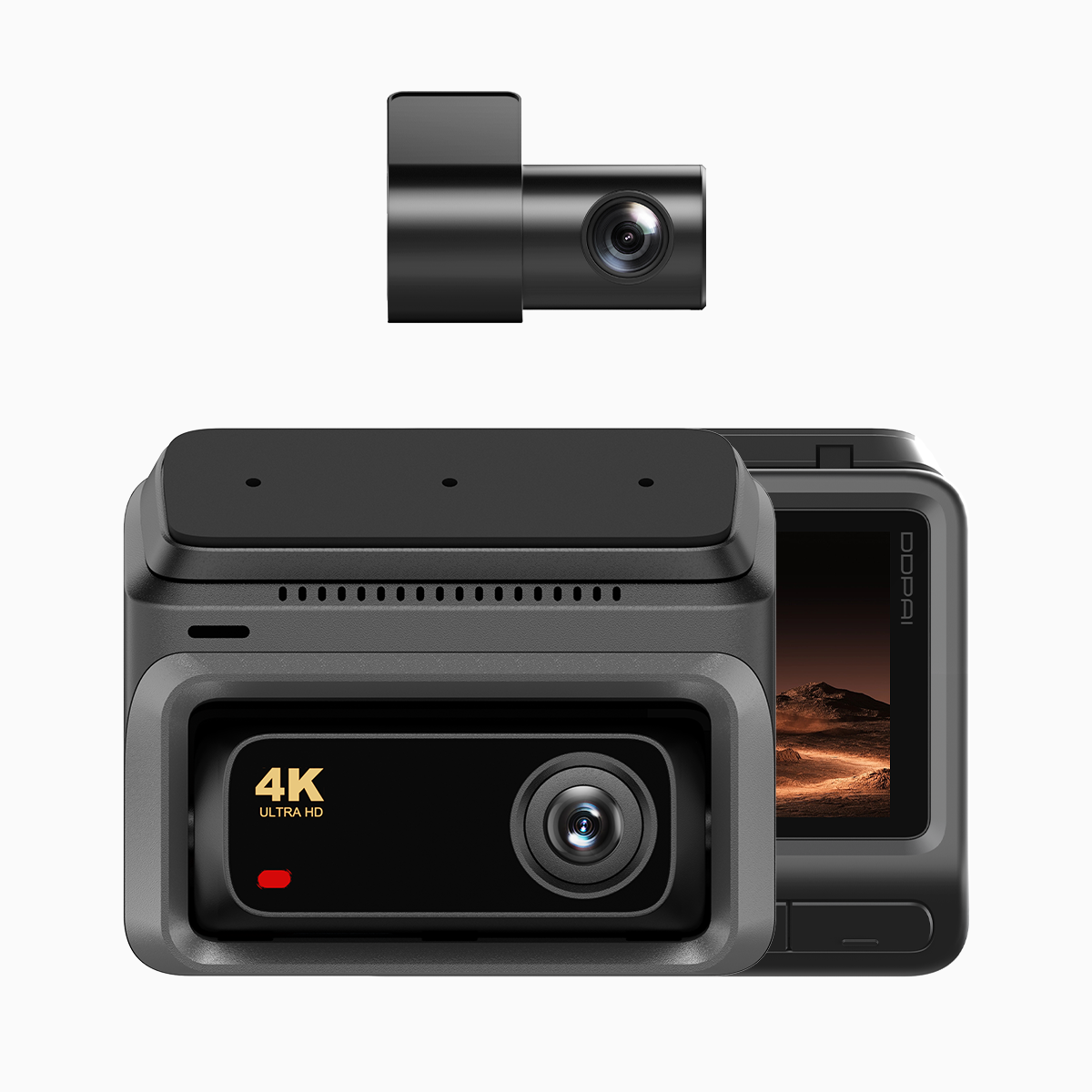
Quick set: what’s really different
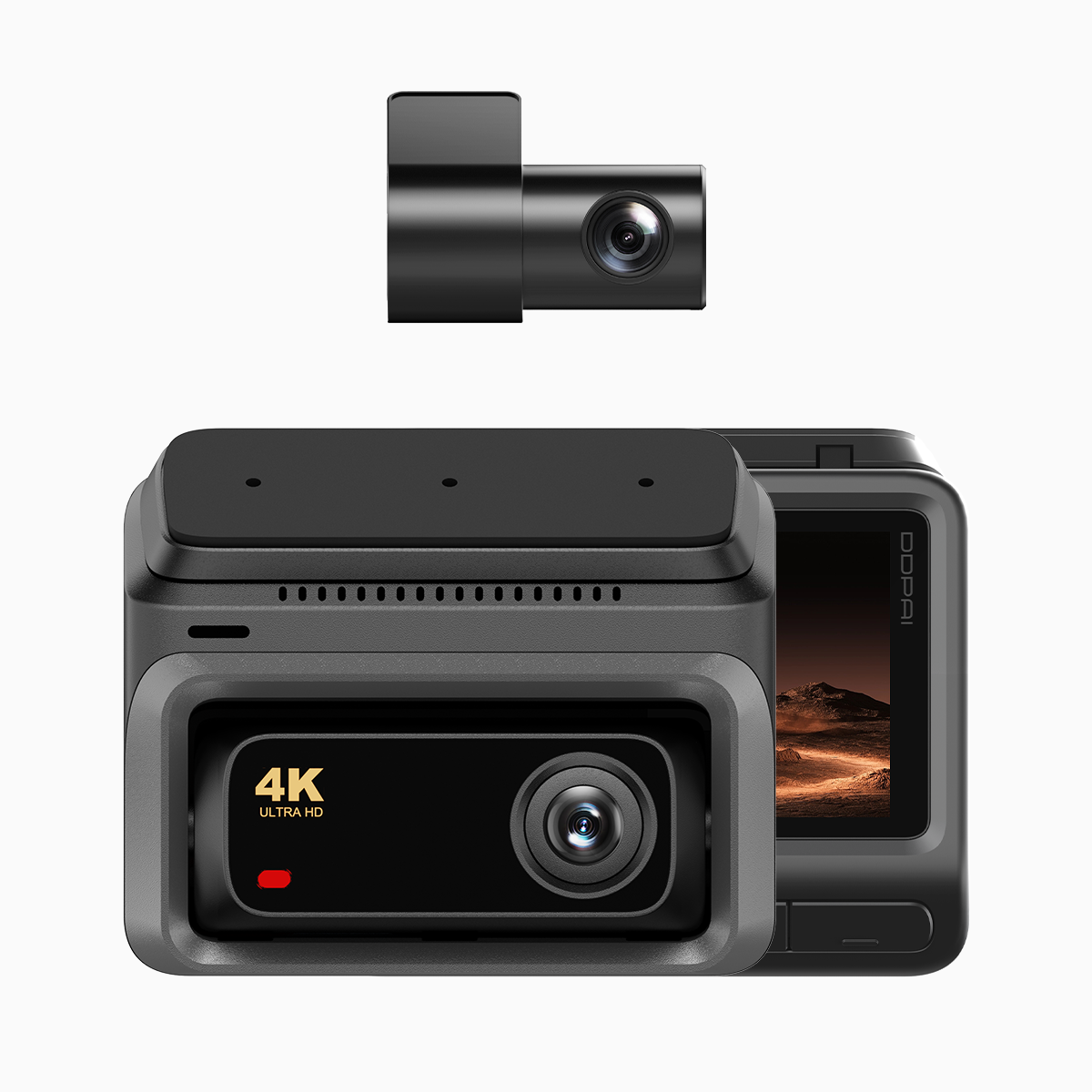
Yo, heat’s the silent saboteur for ride cams, and when you roll through Manila summers or long Luzon hauls you need gear that don’t quit. DDPAI flipped the script on the usual battery game, tuning a 4g dash cam so it stays live when temps climb. They also baked cloud features into the mix — that’s why a dash cam with cloud storage matters here — footage offloads even if the unit powers down. Supercapacitor and lithium battery talk sits at the core of this hustle: one’s built for heat endurance, the other for energy density. We’ll compare both, keep it tight, and show why DDPAI’s approach fits the Philippine climate.
Heat hits batteries differently — real-world anchor
Metro Manila and other Philippine cities routinely see daytime temps in the low to mid-30s Celsius and high humidity; that combo speeds up lithium wear and sometimes triggers thermal throttling in electronics. In plain terms: lithium cells lose capacity faster, voltage sags, and parking surveillance can fail right when you need it. Supercapacitors, by contrast, shrug at heat and tolerate far more cycles. Industry terms to note: thermal management, parking mode, and G-sensor behavior — these matter for reliable event capture.
Supercapacitor vs. lithium battery — the breakdown
Supercap: fast charge/discharge, insane cycle life, wide operating temp range, but lower energy density. Lithium: stores more juice, smaller size, longer runtime between charges, but hates sustained heat and degrades faster. For dash cams that need to record parking incidents or upload to the cloud via 4G, the trade-off is clear: do you want longer recording time or consistent reliability under heat stress? DDPAI’s move toward supercap designs tackles that reliability gap — firmware and power-path control keep the camera recording during short incidents and protect against brownouts.
DDPAI’s engineering moves — practical tweaks that matter
They didn’t just swap parts. DDPAI redesigned thermal layout, added better heat sinks, and optimized the firmware to prioritize core functions during power events — loop recording and event-lock stay alive, while nonessential tasks pause. LTE/4G modem behavior is tuned so uploads don’t fry the board. Also, having cloud redundancy means footage can be uploaded automatically when a connection is healthy, avoiding local storage loss. Think: robust parking mode, intelligent power management, and cloud failover working together.
What drivers should actually do — mistakes to dodge
Don’t buy cheap knockoffs that list runtime minutes but hide poor thermal specs. Avoid leaving devices on dashboards where direct sun spikes temps. Hardwiring to the vehicle without a proper power cut-off invites full discharge or overheat. If you want alternatives, look at external battery packs made for dash cams, dedicated hardwire kits with low-voltage cutoff, or models that pair supercapacitors with minimal Li‑ion buffering. Each option trades runtime for safety in a different way — know the balance you need.
Three golden metrics for picking the right setup
1) Operating temperature range: choose units rated well above typical Philippine peak temps. 2) Backup power tech: prefer supercapacitor or hybrid systems for heat resilience and cycle life. 3) Connectivity & storage strategy: reliable 4G/LTE uploads plus cloud retention reduce single-point failure risk. Those three lenses cut through flashy specs and show what performs on hot streets.
DDPAI’s rework is pragmatic: it prioritizes consistent capture over theoretical runtime, and that’s the right call for drivers in the Philippines. DDPAI Philippines.