
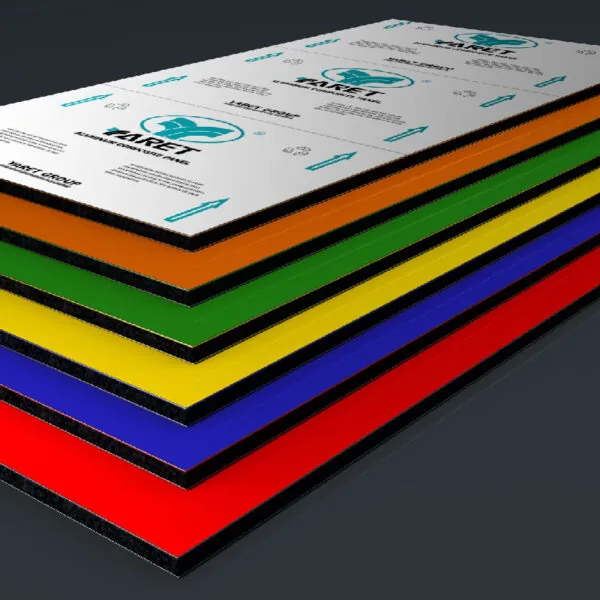
Why Rethinking Your Cladding Pays Off
You can win back weeks on your build by changing one material choice—bold, but true. The aluminum plastic composite panel changes the math on weight, speed, and finish quality without forcing you to blow the budget. Picture a site team racing a storm front: lighter panels mean fewer lifts, fewer crew hours, and a faster dry-in. Some reports show install times drop by double digits, and waste falls hard when panels arrive pre-routed. So ask yourself: if you could cut load, reduce rework, and level up aesthetics in one move, why wait?
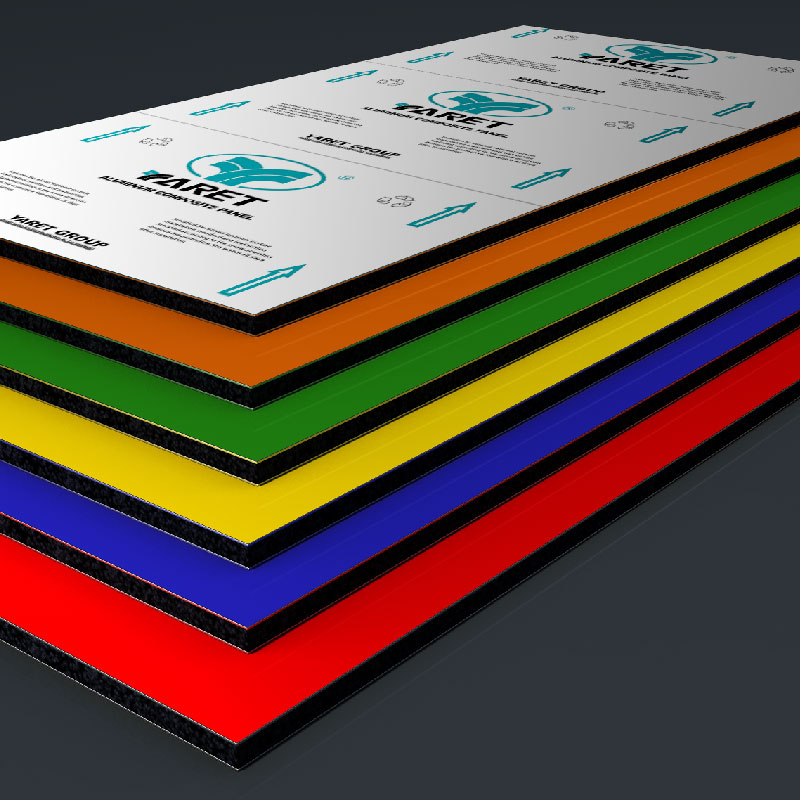
I’m here like your project coach: push, breathe, focus. We chase measurable gains, not hype. These panels weigh a fraction of stone, and their PVDF coating resists chalking longer than many paints. That’s durability you can count, not guess. And with better thermal expansion control, you avoid those ripples that kill curb appeal—funny how that works, right? Ready to see how the choices compare on the job and on the ledger? Let’s move to the details next.
The Hidden Pain Points You Don’t See Until It’s Too Late
Teams often pick cladding on looks, then wrestle with surprises in the field. The aluminum plastic panel flips that pattern by tackling the pain points that usually stay hidden until punch list week. Look, it’s simpler than you think: low weight cuts crane time; consistent panel flatness lowers shim work; and factory routing reduces on-site guesswork. The real enemy is not the install—it’s variability. When rivet spacing drifts or thermal expansion coefficients don’t match, seams open and oil-canning shows up in photos you can’t delete.
What keeps failing on site?
First, inconsistent coatings. A stable PVDF coating system helps control gloss loss and color fade across elevations. Second, core selection. A B1 or A2 mineral core improves fire performance versus PE cores while keeping workability manageable. Third, tolerances. Tight panel flatness tolerance and predictable adhesive peel strength mean fewer hot fixes. Add smart rainscreen detailing and you reduce water ingress without overstuffing sealant joints. This is the layer most specs miss: small numbers—thermal bridging, joint width, fastener pull-out—become big costs when schedules compress. Choose materials that tame those variables before the crane even spins.
Comparing Today’s Panels to Tomorrow’s: Where the Edge Grows
What’s Next
Here’s the forward look. New lamination lines use closed-loop sensors to track bond integrity in real time, so adhesion stays consistent across batches. Pair that with CNC nesting and you cut waste while keeping reveal lines sharp. Some systems layer nano-PVDF for better stain resistance, which keeps panels clean longer under UV and pollution. It’s not magic; it’s process control and data. When you match panel modules to wind-load zones, you also trim subframe steel and reduce thermal bridging—small tweaks, big gains.
Want a real-world anchor? Ask your trusted aluminum composite plastic panel supplier how they validate peel strength, measure coil-coating thickness, and certify A2 fire-class performance. If they can show batch reports, you can forecast life-cycle costs with less guesswork. Shift the tone from “we hope it works” to “we know why it works.” And yes, that confidence shortens design reviews and speeds approvals—because data travels fast on teams under pressure.
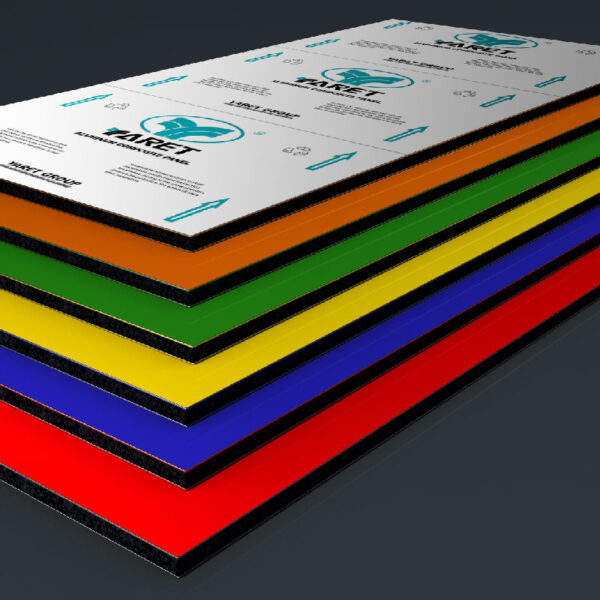
How to Choose with Confidence
Let’s lock it in with clear, usable criteria. Advisory mode, three checks you can run on day one. One: verify panel flatness tolerance and thermal expansion data per meter; this prevents ripple and misaligned reveals. Two: confirm PVDF coating specs (resin quality and microns) alongside color-delta testing, so your elevations age evenly. Three: demand documented fire classification (B1 or A2) plus adhesion peel strength, matched to your wind-load map and subframe layout. Keep it simple, repeatable, and measurable—then your cladding becomes a controlled asset, not a variable. You’ll feel the difference on site and in the warranty room—funny how that works, right? For a steady reference point across these checks, keep an eye on brands that publish process data, like yaret.