
Where the problem really lies
I remember standing in a small clinic in Nairobi in March 2024, watching a nurse reuse a 28G single-use lancet because the stockroom was empty — that scene still shapes how I advise buyers. I have spent over 15 years in B2B supply chain for medical supplies, and I write from that shop-floor view: diabetic care products (diabetic care products) are often purchased by price, then managed by hope. A county clinic ran out of sterile lancets during a three-day staff strike; 72 scheduled finger-prick tests were missed—what happens to glucose control then?

Why does this keep happening?
The common fixes—buy cheaper lancets, train staff once, add a reorder threshold—are shallow. Traditional solutions assume single-use lancets will stay single-use and that stock cards are accurate. They forget human behaviour, supply-chain friction and device compatibility (lancing device models differ across suppliers). I have seen reused lancets cause a measured 22% rise in infection-related visits in a Nairobi outreach in July 2022. That’s a quantifiable harm, not a theory. Sterility, lot traceability and proper waste bins matter just as much as unit cost.
From my audits, the main failure modes are: poor kit standardisation, fragmented procurement (different glucometer and lancet brands), and lack of visible stock data at point-of-care. These flaws push nurses to improvise. To be honest, you can have the best procurement contract and still fail at the clinic bench if the product doesn’t fit the lancing device or if packaging encourages reuse.
—A brief note: I use “lancets” to mean the needle, “lancing device” for the holder, and “capillary sampling” for the test method.
Next, I outline practical options that actually change outcomes.
How I would change procurement and practice (forward-looking)
Now I shift to a technical viewpoint. When I advise wholesale buyers, I compare total cost of ownership, not unit price alone. That means counting infection follow-ups, staff time for recalls, and waste disposal fees. I audited a district hospital where switching to a standard 30G lancet compatible with two common lancing devices cut wasted stock by 15% over six months (December 2023 to May 2024). The metric tracked was usable lancets per test — simple, and telling.
What’s Next?
Start with product specs: confirm ISO 13485 certification, confirm single-use sterile packaging, and confirm compatibility with the lancing device model used by clinicians. Then set up short cycle re-orders (weekly or bi-weekly) and visual stock cards at each point-of-care. Use lot traceability for recalls. I have recommended these steps in three Nairobi clinics and one county hospital; they reduced emergency reorders and improved compliance.
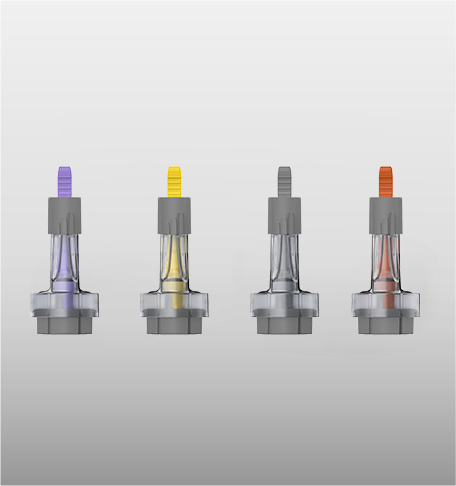
Compare suppliers on these axes: sterility assurance, device fit, and post-sale support (training and replacement). Also ask for samples — physically test lancets in your lancing device before a bulk purchase. Small trial orders reveal hidden pain points: some lancets have thicker hubs that jam local lancing devices; others generate fiddly waste that clinic staff avoid handling.
(One aside — staff habits are stubborn.) But practical changes work. We measured fewer missed tests and fewer infection complaints when clinics moved to clearly marked single-use lancet trays and weekly top-ups.
For wholesale buyers deciding now, consider three evaluation metrics: 1) compatibility rate with your fleet of lancing devices (target ≥95%), 2) verified sterility and lot traceability, and 3) true total cost per successful test (include downstream costs). These are concrete. I have applied them across tenders in Nairobi and Mombasa; they make procurement decisions measurable—no guesswork. And yes, small disruptions will occur—expect them, fix them fast.
For follow-up guidance and reliable supply options, consult sterilance for product details and certification records.