
When the Grid Stalls: a Problem-Driven Look
I remember standing on a dusty site near Phoenix in July 2019 watching workers bolt down a 100 MW / 200 MWh Li-ion LFP containerized system I had specified; the heat shimmered and the paperwork piled up beside us. (We’d already delayed commissioning twice.) A municipal grid dropped 120 MW for 90 minutes that same week — how would utility scale battery storage have changed that outcome? utility scale battery storage was on the procurement spec from day one, yet the behavior of controllers and inverters under stress was the real test. I vividly recall the inverter firmware update that, despite vendor assurances, destabilized dispatch in an early-morning test — it failed, and fast. That episode showed me three recurring flaws in large-scale deployments: control-layer brittleness, opaque performance guarantees, and procurement specifications that ignore real-world degradation. These are not abstract problems; they translate to minutes of lost service, tens of thousands in penalty clauses, and real reputational damage for utilities (and us, the procurement teams). This matters — and it points us to what we must inspect next.
What went wrong on-site?
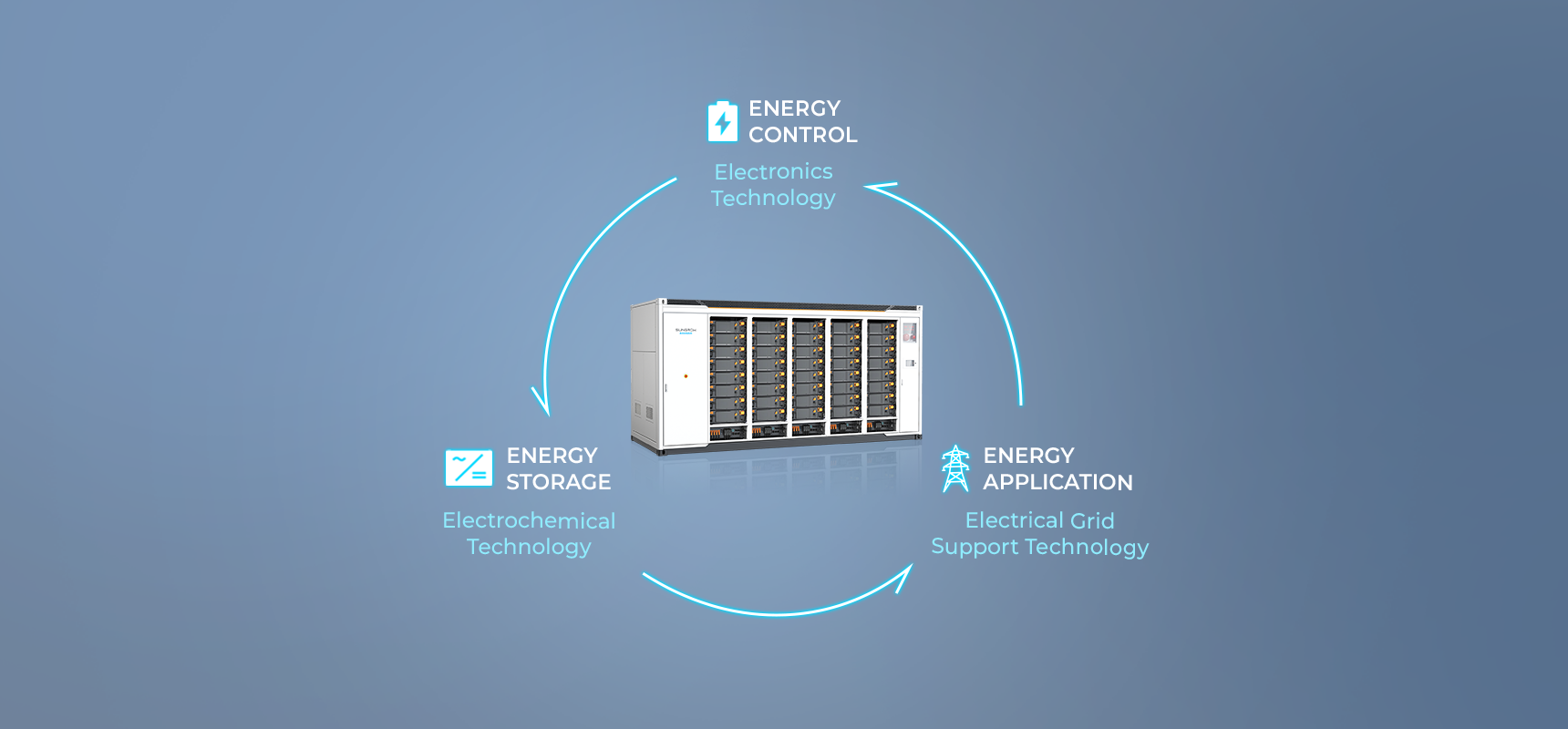
In my experience, the most damaging failure modes hide in the handoffs: battery management systems misreporting state-of-charge under temperature stress; EMS (energy management system) schedules that conflict with plant-level safety interlocks; and specs that quote peak MW without aligning to achievable MWh over the duty cycle. I once saw a vendor guarantee 4-hour discharge at nameplate MW, but thermals reduced usable capacity to 2.8 hours during summer peaks — that was a 30% shortfall with contractual consequences. We learned to demand real test logs, not just models. No guesswork. Now, a clearer procurement checklist sits in my laptop — and it begins with live performance data, followed by firmware rollback plans and clear acceptance criteria. Moving on — I’ll outline how to compare options and what metrics actually matter.
Comparative Insight: Choosing Resilient Solutions (Forward-Looking)
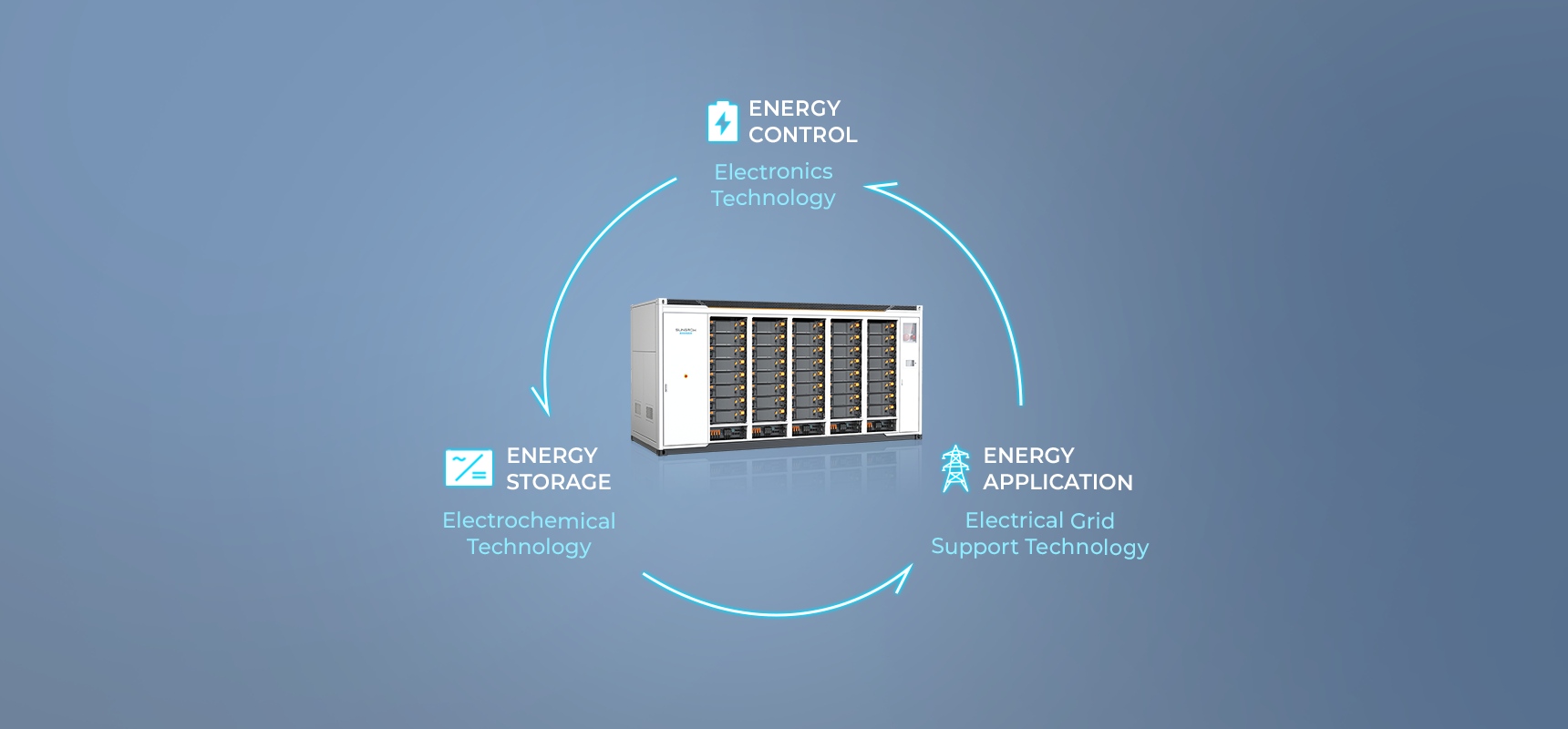
Technically speaking, utility-scale energy storage requires interrogation at three levels: cell chemistry and thermal management (I prefer LFP for long cycle life), power electronics and inverter control modes, and the supervisory EMS logic that schedules dispatch. I recommend we treat the plant as a control system first and a revenue asset second. When I evaluate an offer now, I run through simulated frequency response, peak shaving, and capacity firming scenarios using the vendor’s recorded test vectors — not just their datasheets. I also ask for a dated log (e.g., August 2021 acceptance run) showing sustained power at rated MW for four hours at 45°C ambient. This concrete evidence saved us from a likely mismatch on a 50 MW project in Texas — we halted contract signing and demanded additional thermal trials. The result: the vendor revised cooling specs and avoided a future operational shortfall.
Real-world Impact: What to measure?
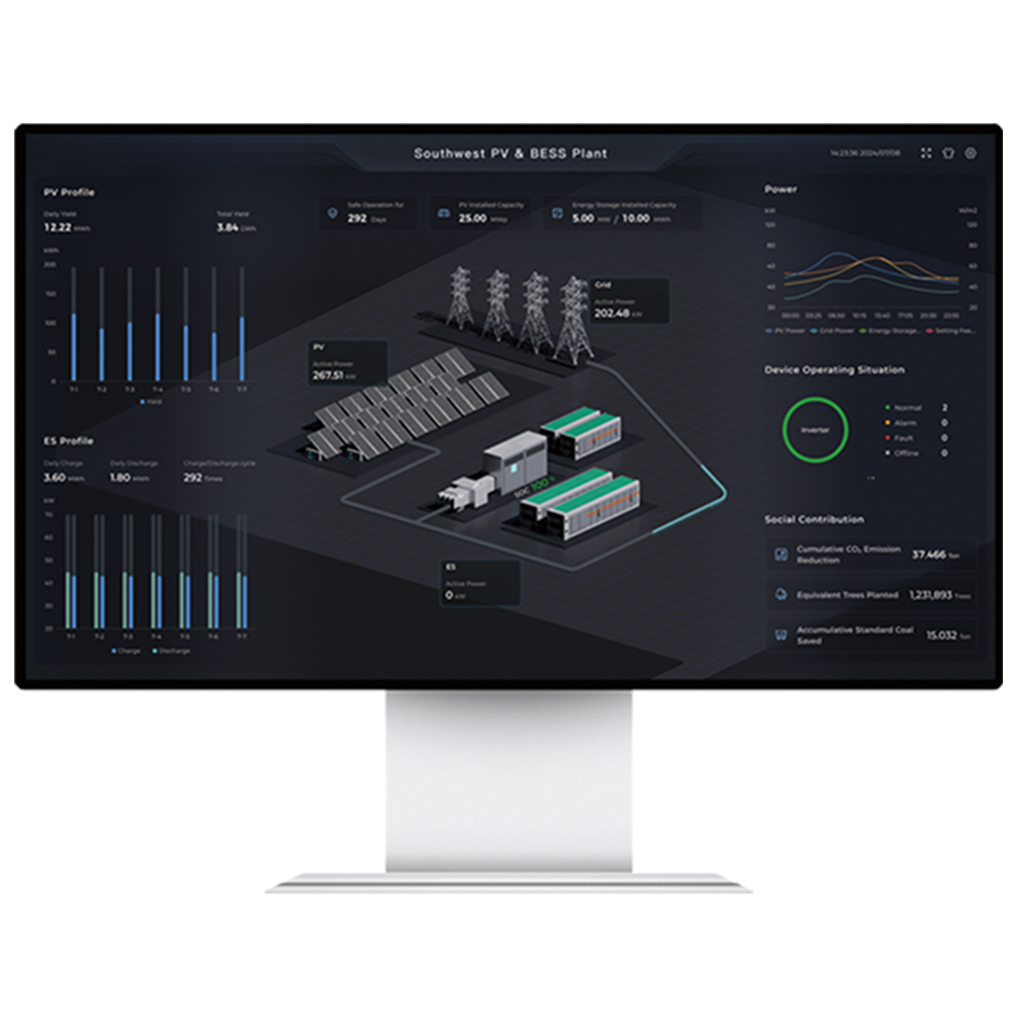
Here are three key evaluation metrics I now insist upon — they are practical, measurable, and relate directly to the pain points we saw earlier. First: usable energy (MWh) at specified ambient conditions — not packaged capacity. Second: round-trip efficiency measured over a week-long cycling protocol and tied to warranty adjustments. Third: control interoperability — prove seamless EMS-inverter-bms handoff under fault injection (we do that in test rigs). I want these metrics in contract appendices. I also track mean time between firmware incidents; it’s small, but telling. We found — after one early project — that transparency on these numbers reduces claim disputes by more than half. Short sentence. Evidence matters. For procurement teams and grid operators who need dependable dispatch, these checks change outcomes. Finally, I’ll say this plainly: the technology is ready, but buyer diligence is what turns promise into performance. sungrow