
Putting the Patient First in Clinical Practice
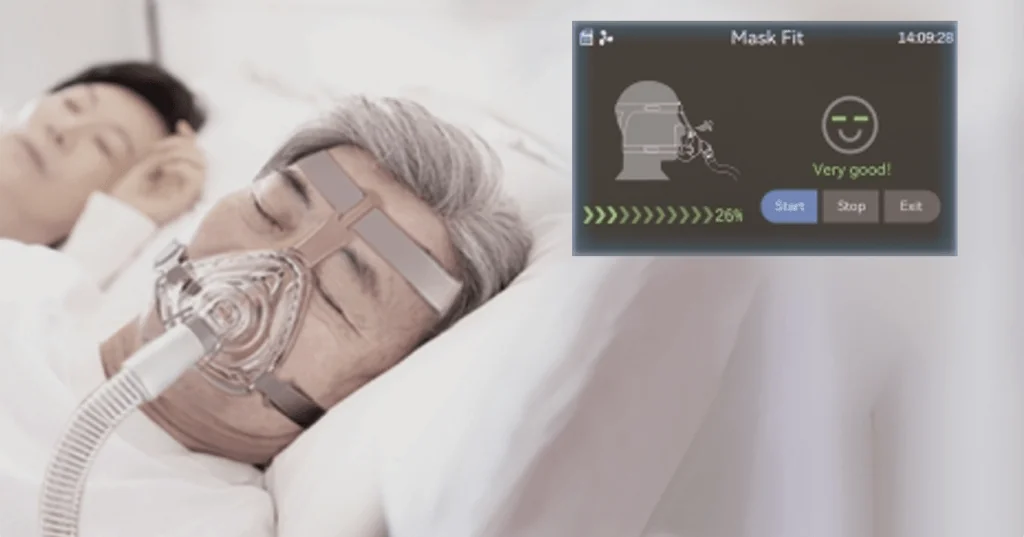
Hospitals and clinics need devices that respond to real people, not just numbers; a warm, practical approach changes adherence and outcomes. Here I discuss how a bespoke strategy around devices — from a simple cpap device to multi-mode units — can fit diverse ward needs. Clinicians at places like the Johns Hopkins Sleep Disorders Center illustrate how patient comfort, mask fit, and easy titration cut follow-up visits and boost satisfaction.
Clinical Challenges That Demand Customization
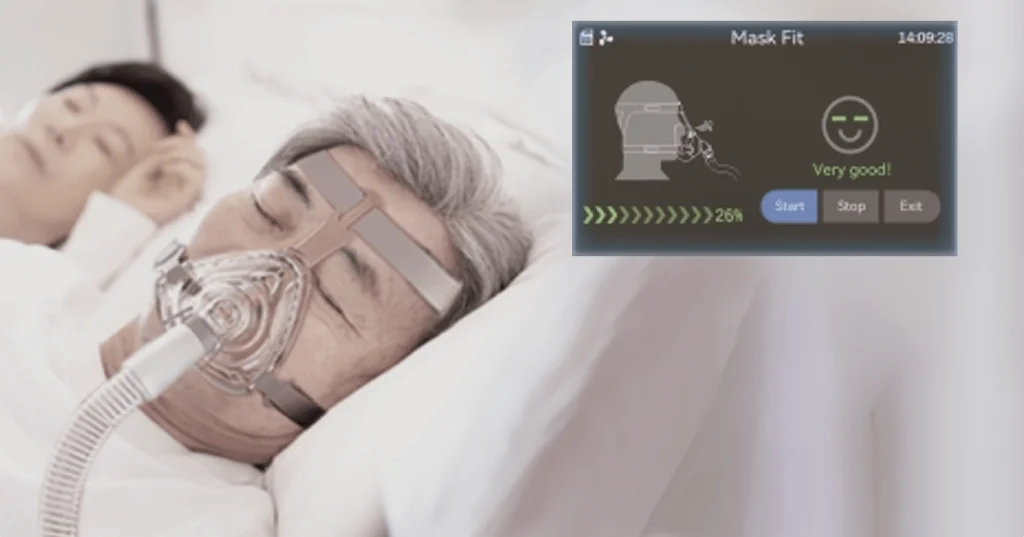
Sleep apnea in a hospital setting isn’t uniform. You’ll meet post-op patients, long-stay seniors, and complex comorbid cases, each needing a different pressure strategy. Pressure support and mask interface choices matter as much as the machine’s algorithm. A one-size-fits-all approach leads to residual AHI and repeated re-education — avoid that by matching device function to patient physiology.
Choosing the Right Device and Features
Select for what the bedside team can manage. Simpler auto-titration and clear humidification controls help nursing staff and reduce alarms. For clinicians wanting bi-level ventilation flexibility, evaluate ramp settings, leak compensation, and data export capabilities. The bipap machine link to remote monitoring is also a practical angle when clinics transition patients to home care.
Workflow Integration: From Titration to Discharge
Design the pathway: screening, titration, mask fitting, education, and a clear discharge plan. Integrate device data into the electronic chart so respiratory therapists can review residual AHI and usage nightly without extra trips. Training matters — brief, focused sessions for staff reduce setup errors and shorten length of stay. Keep it simple. Small steps save time and build confidence.
Common Mistakes and How to Avoid Them
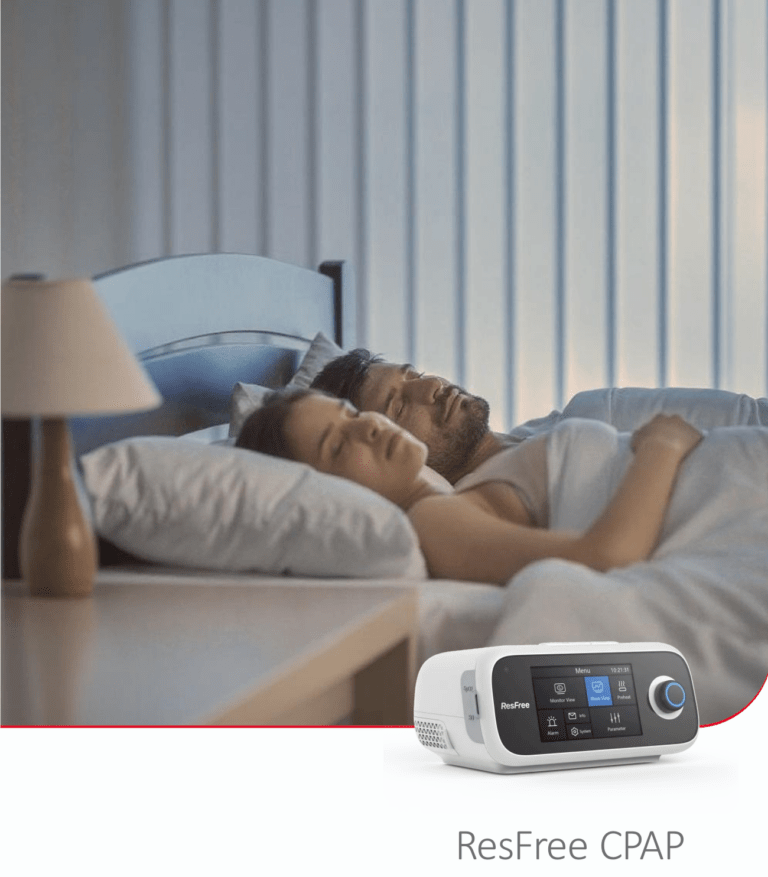
Clinics often pick the flashiest feature set and ignore usability. That’s backwards. Choose devices that match staffing and rehab needs. Another frequent slip: underestimating humidification needs for nasal masks, which causes mouth leaks and discomfort. Finally, neglecting follow-up is costly; schedule a one-week remote check to catch early non-adherence.
Practical Device Comparison
Compare three pragmatic buckets: basic single-pressure devices for straightforward OSA, auto-adjusting units for mixed presentations, and advanced BiPAP for hypercapnic or neurologic patients. Look at real measures: average nightly usage, leak rate, and residual AHI — these are the metrics that show real performance. Keep an eye on serviceability and spare-part availability; in-hospital downtime isn’t acceptable.
Real-World Implementation Notes
When rolling out a program, pilot on one ward, collect feedback, refine mask inventories, and then scale. In my experience, teams that document mask fit photos and sizing preferences reduce repeated fittings by half — small documentation, big benefit. — This kind of human detail builds trust with patients and staff alike.
Three Golden Metrics for Device Selection
1) Clinical Effectiveness: measure residual AHI and mean nightly usage; expect meaningful improvement within two weeks. 2) Operational Fit: evaluate ease of cleaning, alarm simplicity, and service turnaround time — these cut hidden costs. 3) Patient Comfort Score: track mask comfort and nasal dryness; a modest investment in humidification pays off in adherence.
Bring these measures together and you’ll choose devices that work in practice, not just on spec sheets. For hospitals aiming to bridge inpatient care and home therapy, the right equipment and data pathway turn a complicated transition into a reliable continuum — and that’s precisely where Byond adds value through integrated ventilation options and clinician-focused support. —