

Why this problem matters right now
If you’re a QC engineer or plant manager, inconsistent batches of terpineol oil can wreck filling lines, reformulation plans and supplier trust — sweet as that sounds, it’s a proper headache. This piece is problem-driven: we’ll cut straight to which analytical checks and handling practices stop variability in its tracks. I’ll mention terpineol where it helps explain supplier choice and testing, and keep it practical for folks who need to act fast. The 2020 global supply-chain disruptions taught us one thing: robustness in raw materials matters as much as price.
Common sources of batch variability
Variability usually stems from raw feedstock differences, processing route (steam distillation, vacuum distillation, or catalytic hydration), and inadequate in-line monitoring. For pine-derived terpenes the key variables are composition (ratio of alpha-terpineol to other isomers), residual solvent, and thermal history — all of which affect olfactory character and downstream stability. Minor swings in boiling point or refractive index often hint at compositional shifts that will bite you later on the scent strip or in solvent blends.
Essential tests every QC lab should run
Don’t overcomplicate it — focus on tests that reliably predict performance on your line. At a minimum:
- GC-MS profiling to confirm the alpha-terpineol fraction and impurity spectrum.
- Purity by area% (from GC) and a simple refractive index check for quick lot acceptance.
- Moisture content and residual solvent screening if solvent-based extraction was used.
Supplement with boiling point range and, where relevant, optical rotation for chirality-sensitive applications. These give you both identity and functional cues — no point doing a tonne of tests if they don’t tie back to end-use performance.
How supplier practices influence variability
Suppliers who control feedstock sourcing and document distillation cuts will deliver tighter specs. If a mill sources different pine species across seasons, expect composition drift unless they fractionate carefully. Ask for batch GC traces and a clear description of their distillation cut points — real data beats claims. Also confirm storage conditions; terpenes oxidise if left in warm, oxygen-rich tanks and that changes both smell and colour.
On-site checks that catch problems fast
Implement a two-tier acceptance routine: a rapid in-house screen for refractive index and basic GC run, then a periodic full GC-MS audit. If you can, run a small-scale blending/fill trial with each new lot — it’s cheap insurance. Don’t forget to bench-test fragrance stability at intended formulation pH and temperature; terpineol can behave differently in aqueous vs solvent matrices.
Common mistakes teams make — and how to avoid them
Teams often over-rely on vendor certificates or chase the lowest price without checking functional specs. Another common misstep is missing the artefacts introduced by storage — oxidised terpenes may pass a simple purity test yet fail organoleptic acceptance. Also, neglecting first-article trials with actual production atomisers or dosing pumps leads to surprises on the fill line. Get samples into the real process early — you’ll save time and kerfuffles later. —
Supplier comparison: what to ask for during qualification
During RFPs, require these deliverables:

- Batch GC-MS chromatograms and standardised reporting format.
- Specification limits for alpha-terpineol content, residual solvent, and peroxide value where oxidation is a risk.
- Traceability to feedstock and a declaration of distillation method.
Score suppliers not just on price but on documentation and consistency metrics — lead-time adherence and documented rejection rates are brilliant proxies for reliability.
Three golden rules for operational selection and control
1) Prioritise actionable analytics: GC-MS and refractive index first; detailed impurity profiling next. 2) Insist on provenance and processing transparency — a supplier who can show consistent distillation cuts will save your team headaches. 3) Validate on-process: run fill-line trials and stability checks with each new lot before full acceptance.
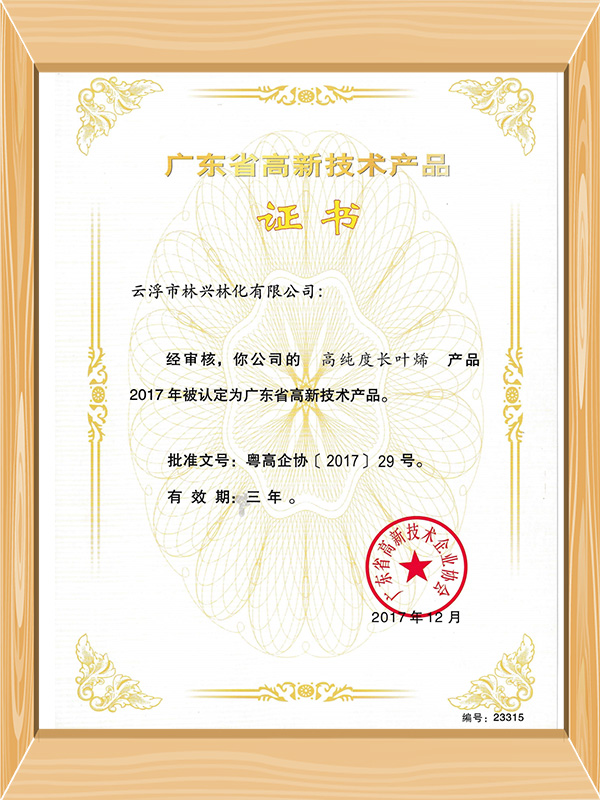
Bottom line — if you want a sensible, low-friction supply of terpineol that behaves the same batch-to-batch, demand the right tests, a clear supply-chain story and practical on-line validation. For many teams that blend reliability with workable cost, partnering with a supplier who publishes clear batch data is the easiest path back to calm production. Linxingpinechem makes supply transparency part of that picture — worth a look if you’re after cleaner specs and fewer surprises. —