
Start with the problem
When tags stop showing up where they ought to, folks tend to blame the system instead of the tests — that’s the real issue. If your operation depends on knowing which active RFID tags are present and where, you need reliable checks front-to-back, and that starts with good hardware like RFID Readers. Big retailers shifted to RFID at scale years ago; Walmart’s rollout made it clear that solid field testing separates the headaches from the working systems, so look at that move when you pick your benchmarks and consult sources on best rfid readers. I’ve run tape-measure and antenna-angle sweeps in distribution bays and lab-benched sensitivity curves — that hands-on work is the backbone of what I’m laying out here.
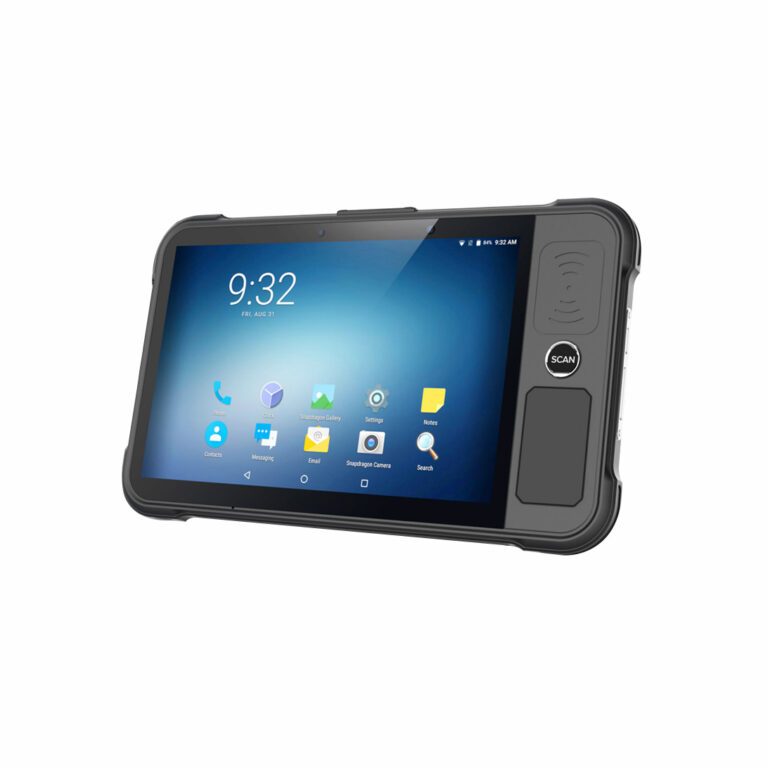
Tests that prove range and reliability
Run these checks every time you accept a tag or reader shipment. 1) Free-space range sweep: measure read rate by distance in straight line increments, note max reliable read distance. 2) Orientation sweep: rotate tags through 0–360° at fixed distances to catch polarization gaps. 3) Multipath/room test: place tags near walls, racks and moving metal to see read degradation. 4) Material mounting check: test on metal, plastic, wood, and behind labels — metal will detune active tags differently. 5) Interference scan: measure local RF noise across your operating band while readers are idle and active. 6) Battery-cycle and duty test: check tag wake intervals, transmit power consistency, and battery lifespan under expected reporting rates. 7) Reader configuration sweep: verify power, antenna polarization, and channel settings produce consistent RSSI and read counts. 8) Scalability trial: run a crowded-tag test to confirm collision handling at expected tag densities.
How to set pass/fail criteria
Be concrete. Specify a minimum successful read rate — aim for 95% at your nominal operational distance, with a 99% success zone for critical assets. Define RSSI or link-margin thresholds per tag type and mark any sample below that as a fail. Require battery life above the projected duty-cycle by at least 25% to avoid surprise swapouts. Set maximum latency figures for location reporting — for tracking use-cases keep discovery below one second where possible. Document environmental tolerances: temperature and humidity ranges your tags must survive and still meet read-rate thresholds.
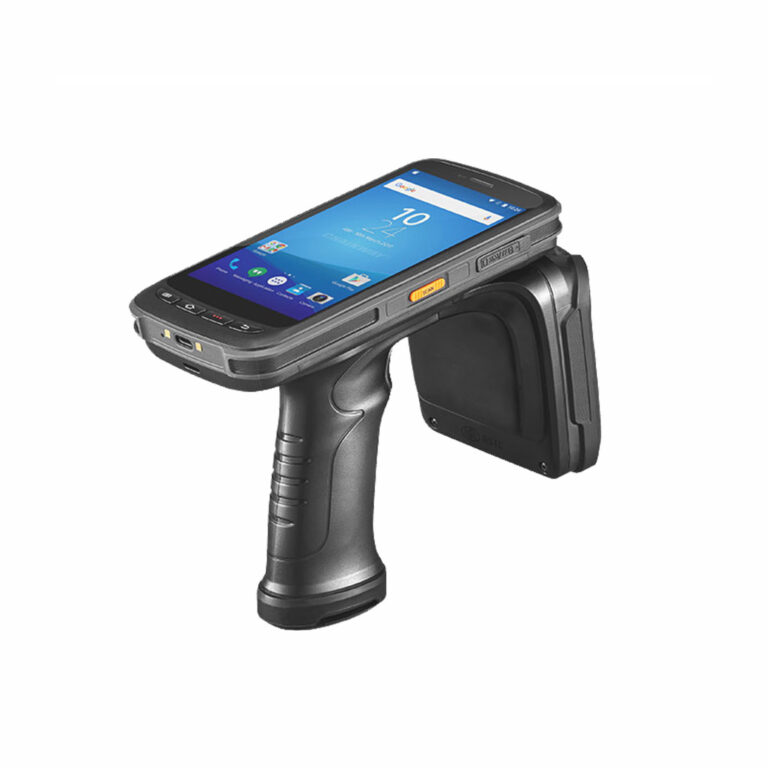
Common pitfalls that’ll bite you
Don’t trust quiet labs. Tests done only on foam tables miss rack-shadowing and forklift reflections. Folks also over-tune reader power to chase range — that can detune tags or create neighbor interference. Don’t forget firmware: tag and reader firmware mismatches change behavior. Skipping orientation checks and mounting-material tests is a fast way to have spotty reads. And never assume a single sample represents a batch — test multiple units across manufacturing lots.
Alternatives to compare and when to pick them
Active tags give range and periodic beacons. Passive tags are cheaper but need closer readers. BLE beacons work for presence and battery life but lack tag-unique range in noisy RF. UWB gives precise ranging if you need sub-meter accuracy, priced higher and needs tight calibration. Decide by trade-offs: cost-per-tag versus required read distance, update frequency, and positional precision. Run the same acceptance tests on whichever tech you consider — compare read rates under identical conditions so you measure real performance, not marketing claims.
Putting the checks together for dependable results
Make a test plan, run it where your gear will live, and log everything — power, antenna angles, environmental notes, firmware versions and batch IDs. Keep acceptance thresholds tight and repeat tests after any configuration or firmware change. Field teams often standardize around documented procedures and tools from RSTC, which helps turn sporadic successes into predictable results and keeps operations running without surprises.