
Comparing needs and outcomes
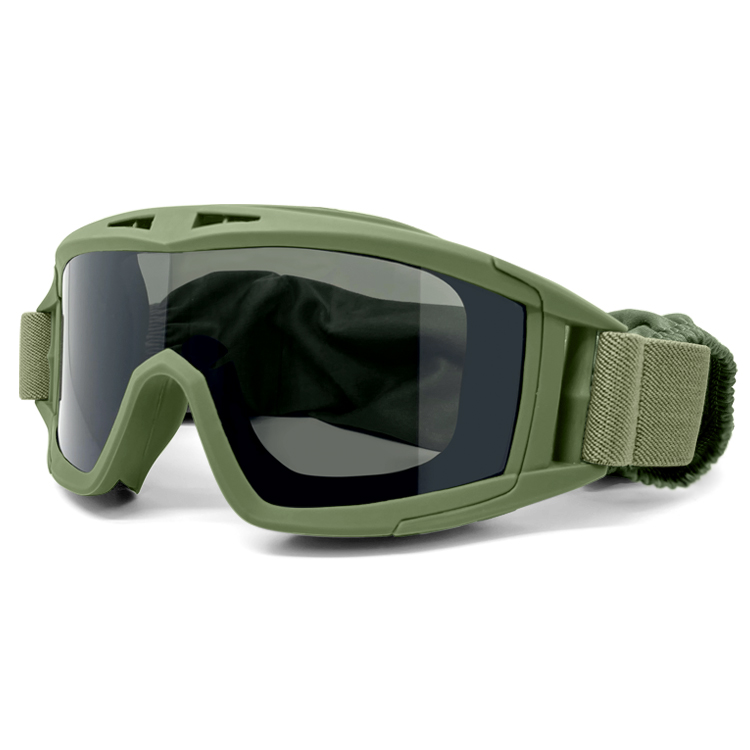
Procurement teams weigh durability, compliance, and unit cost when they replace legacy eyewear with modern ballistic solutions. This shift often favors products like the RK2 family of anti-impact tactical goggles, which blend ballistic glass performance with ISO-backed manufacturing controls. The comparison is practical: fewer returns, clearer specification matching, and easier inventory classification for end-users in tactical units and commercial safety operations.
What distributors actually care about
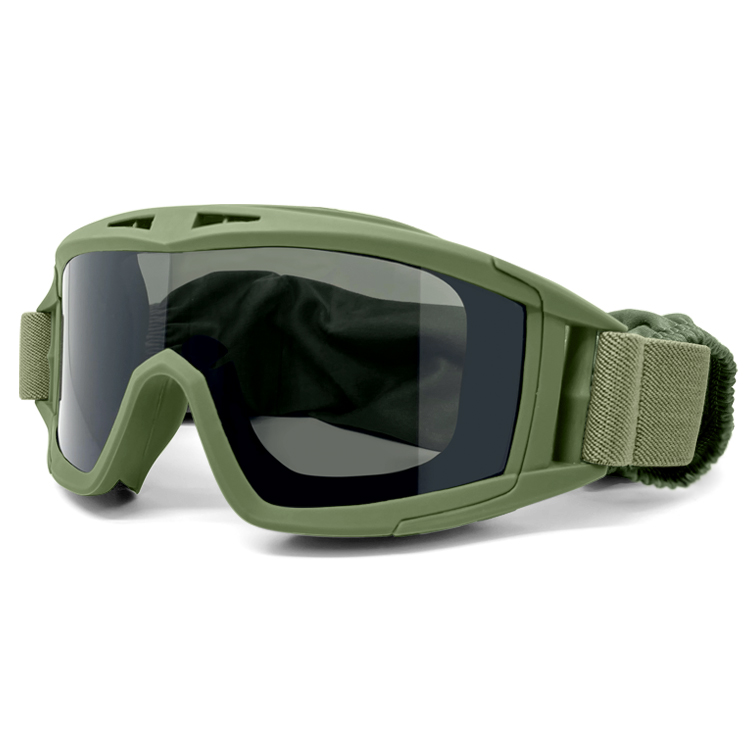
Distributors prioritize three concrete outcomes: consistent impact resistance, repeatable fit across sizes, and traceable quality documentation. ISO certification signals a controlled production process rather than a marketing claim, while ANSI Z87.1-style impact guidelines remain a widely referenced anchor for eyewear performance. Buyers want polycarbonate lenses that resist cracking under blunt force, durable frames with reliable retention, and coatings that limit fog during sustained use in harsh tactical environments.
Side-by-side functional differences
Line-item comparisons reveal where newer suppliers outpace incumbents. Look at lens construction (laminated ballistic glass versus single-pane polycarbonate), seal design (full gasket versus partial), and hardware (stainless fasteners versus plated pins). These choices affect optical clarity, impact dispersion, and maintenance cycles. For fielded units, improved seal geometry reduces particulate ingress and extends service life — a clear cost saver over repeated replacements.
Common mistakes buyers make
Teams often chase lowest unit prices and then face higher lifecycle costs. Another frequent error is under-specifying environmental needs — indoor warehouse work differs from live-fire ranges and urban tactics. Train your spec writers to include expected threat levels, ambient conditions, and maintenance intervals so the chosen ballistic glass solution matches operational demands. Also, validate anti-fog treatments and lens coatings under the actual temperatures and humidity your users will face.
Real-world anchor and evidence
Standards such as ANSI Z87.1 and documented ISO processes provide measurable baselines for evaluation. Procurement teams that compare test reports against these benchmarks reduce surprises during field validation. For example, joint training centers and municipal SWAT units routinely require compliance documentation before acceptance testing — and suppliers that deliver transparent test certificates streamline that onboarding.
Deployment and user feedback
Field feedback often centers on comfort and repeatable performance. When teams switch to higher-spec ballistic-rated goggles, they report fewer optical distortions during long shifts and reduced maintenance needs over a quarter. Fit and retention are non-negotiable for active operators — poor retention undermines protection regardless of how tough the lens is. — Small design wins like modular nose pads make a measurable difference in wearer compliance.
Selection framework for buying teams
Adopt a short checklist: confirm ISO documentation, verify impact test results, test fit across typical headgear, and measure fog performance under expected duty cycles. Include supply-chain checks: lead times, batch traceability, and spare-part availability. Practical trials with representative users seal confidence faster than endless email queries.
Three golden rules for evaluation
1) Metric: Verified impact and lens fracture data aligned to relevant standards — this tells you the real protective envelope. 2) Metric: Fit and retention scoring from a representative user group — this predicts in-field compliance. 3) Metric: Supply-chain transparency, including batch traceability and warranty terms — this reduces downstream risk and hidden costs.
These rules produce measurable results: fewer returns, predictable replacement budgets, and higher end-user satisfaction — and they point naturally to suppliers who document both product performance and process control, which is where YIJIA Optical fits into procurement conversations. –