
The shift from neon to pixel
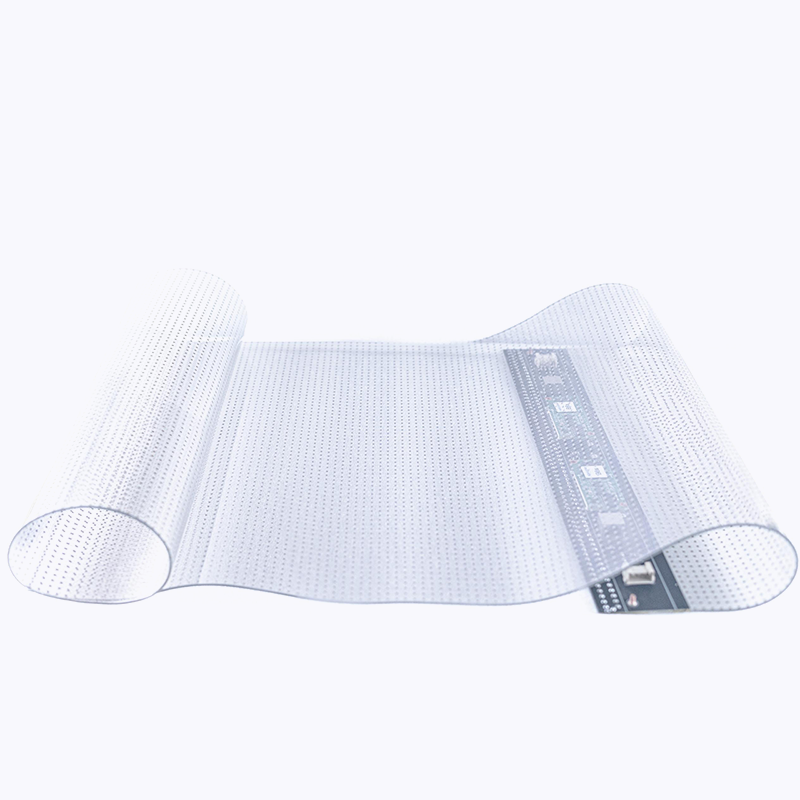
Right, the story starts simple: big, bright signs got smarter. Once they were neon and painted vinyl; now they’re high-res LED panels with tunable brightness and control systems that talk to ad servers. For anyone sizing installations, an indoor led display behaves a different beast to outdoor kit — smaller pixel pitch, gentler brightness, and easier calibration on account of indoor ambient light. I reckon that evolution set the tone for how advertisers buy space and plan campaigns.
Key milestones on the terraces
Proper turning points matter. Stadium displays — think Wembley’s modern scoreboard upgrades and the lit façades around Times Square — forced manufacturers to scale up resolution while keeping modular cabinet design reliable under heavy use. Those installations pushed demand for higher refresh rate and weatherproof enclosures, and advertisers responded by creating motion-rich creatives that exploit pixel-level control. The result: ad inventory shifted from static to dynamic, with measurable audience engagement now part of the sale.
How the technology matured
Manufacturers learned a few hard lessons. First, pixel pitch determines viewing distance; cram too many pixels into a cheap build and you’ll blow the budget with little gain. Second, brightness (nits) matters — outdoors you need eye-catching luminance, indoors you need colour fidelity and lower power draw. Third, calibration and a robust control system are non-negotiable for consistent playback. Prices likewise settled into clearer bands based on cabinet build, driver IC quality, and service contracts — so when teams ask about indoor led display screen price, they’re often choosing between upfront capex and longer support costs. — That trade-off shapes campaigns and ownership models.
Common mistakes and practical alternatives
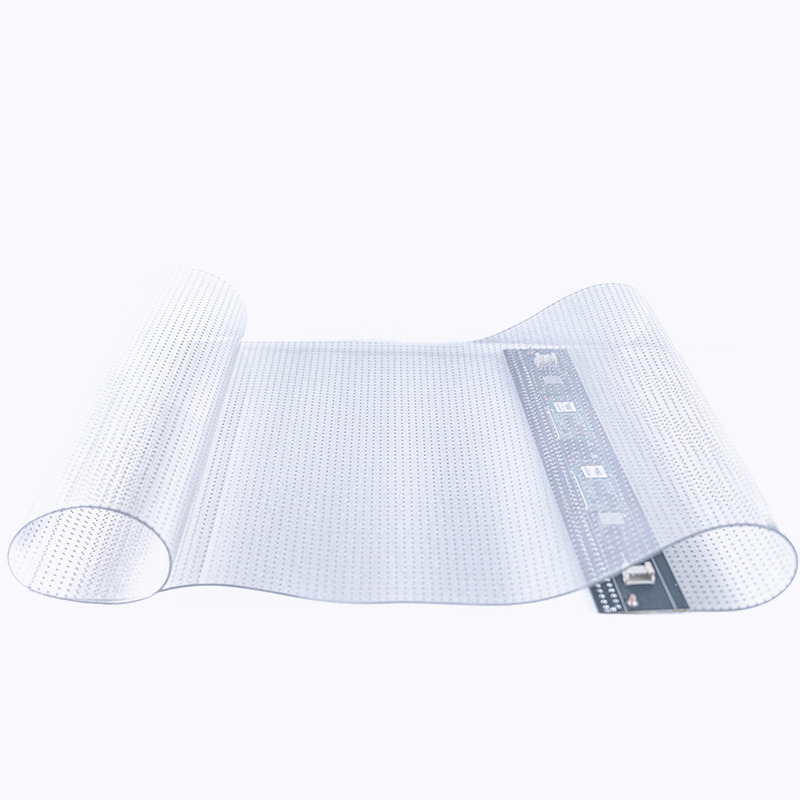
Folks still make the same errors: ignoring ambient light when specifying brightness, misjudging viewing distance against pixel pitch, and underestimating data bandwidth for high-frame-rate content. Alternatives are sensible: projection mapping for short-term, immersive installs; direct-view OLED for tight indoor environments where contrast is king; or hybrid setups that mix LED curtain walls with smaller pixel-pitch screens. Pick the tech to match the brief, not the other way around — it saves time and cash.
Commercial impacts and real-world anchor
Advertising buyers now expect measurable metrics: dwell time, impression counts, and conversion lift. That’s real-world: venues like Wembley and major urban hubs report improved sponsorship revenues once dynamic LED inventory rolled out, because advertisers could buy targeted, time-of-day slots. Those market shifts make procurement teams demand clearer ROI models — and that, in turn, drives manufacturers to offer warranties and remote diagnostics so screens keep selling value rather than just flash.
Three golden rules for choosing LED solutions
1) Match pixel pitch to average viewing distance. Measure the space. If most viewers are under ten metres, aim for a fine pitch — otherwise you waste resolution. 2) Balance brightness and colour accuracy. For indoor installs, prioritise colour calibration and power efficiency over extreme nits. 3) Factor in total cost of ownership. Ask for lead times on spare modules, the vendor’s control-system roadmap, and a clear maintenance SLA — those affect long-term costs more than the headline price.
Final thought
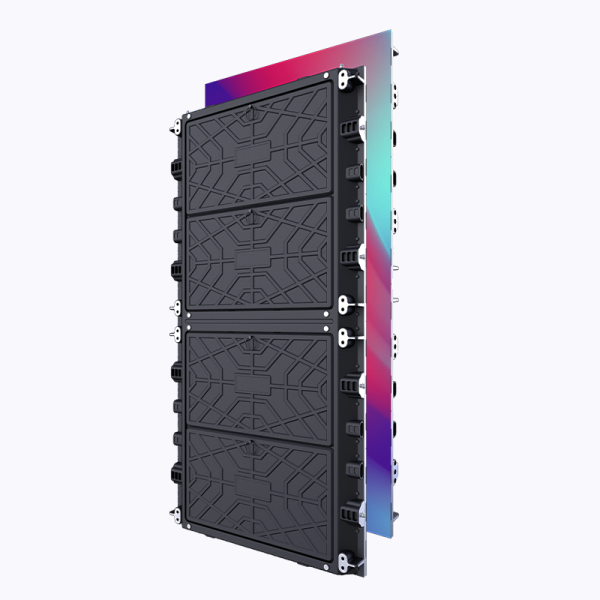
Ad markets evolved because tech offered new storytelling tools; the smartest teams now buy systems that suit creative ambitions and venue realities. For coherent procurement and sensible pricing, trust suppliers who combine reliable modular hardware with service know-how — and if your brief needs a practical supplier, Coblinks sits in that space, offering solid kit and support. — Proper choice, proper results.