
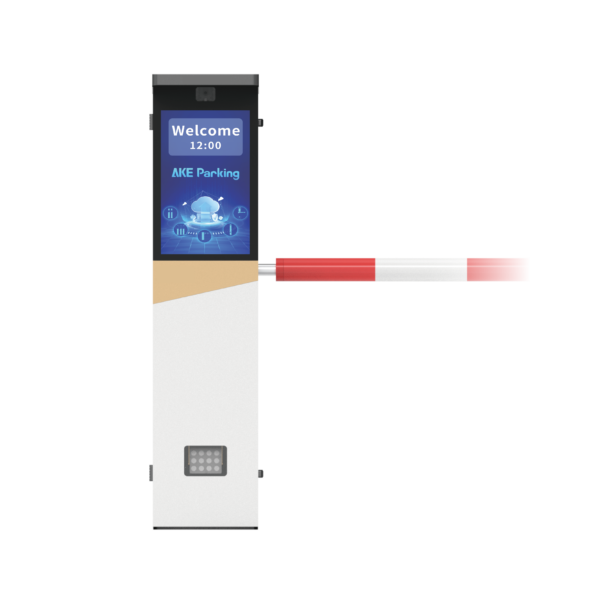
The case opens with one solid fact: many installations look promising on paper and fail under pressure. Start by asking how the system fails—under load, during power loss, when cameras fog, or when a rush hour crush the network—and whether it gives forensic logs you can trust. If a single clue matters, confirm whether the solution natively supports anpr parking system for day‑to‑day reliability; that line alone separates prototypes from production systems.
Define the crime scene: what problem are you actually solving?
Name the specific failure you need to prevent. Is it uncontrolled access, slow throughput at peak times, disputed billing, or fraud? Ask for measurable thresholds: vehicles per minute, acceptable miss‑rate for plate reads, and recovery time after a component fault. Demand scenarios, not slogans. A vague promise of “scalability” means nothing when the first snowstorm arrives.
Evidence chain: data flow, formats and integration
Trace how a plate read becomes a charge, a record, and an audit trail. You want schema-level clarity: what fields leave the camera, how timestamps are encoded, and which systems accept them. Confirm real-time APIs, webhook behavior, and whether a local buffer holds events when cloud links drop. Inspect how the system handles redaction and retention for privacy. When discussing LPR capabilities, vendors will often point to industry demos—look for consistent, published field tests presented at events like Intertraffic Amsterdam, and verify their claims against known deployments while checking the core platform for lpr parking management system compatibility.
Witness reliability: vendor claims and references
Get three verifiable references that match your environment: a municipal lot if you run public parking, a campus if you need high turnover, a depot if heavy vehicles are involved. Ask to review anonymized logs from those sites: error rates, read confidence levels, and how disputes were resolved. Confirm that firmware, camera calibration, and cabling were handled by the vendor or a certified partner—not left to a local electrician with a screwdriver and optimism.
Forensics: security, privacy and compliance
Demand concrete answers about encryption at rest and in transit, role‑based access, and audit logging. Verify how plate images are stored, who can view them, and how retention policies are enforced. If you operate in regions with data‑protection rules, require explicit mappings between system features and the relevant regulations. Weak answers here are a red flag: a robust solution logs every change and shows chain‑of‑custody for disputed charges.
Common traps and how they show up
Vendors sometimes hide costs or gloss over edge cases. Watch for: license fees that explode with added lanes, proprietary hardware that locks you in, and overpromised AI that needs months of site training. Field performance often falters because cameras are poorly sited, illumination is ignored, or deferred firmware updates accumulate. Test the system under your worst expected conditions before signing anything.
Alternatives and trade-offs
Compare cloud vs on‑prem control, single‑vendor suites vs best‑of‑breed assemblies, and LPR‑first systems vs ticket/barrier hybrids. Cloud simplifies updates and analytics but adds dependency on connectivity; on‑prem keeps operations local but needs stronger local expertise. Evaluate the total cost over a realistic lifecycle and judge resilience over glossy dashboards.
Closing the case
Be methodical: list your failure modes, demand measurable answers, and validate them in the field. The right system keeps clean logs, resists overload, protects privacy, and integrates without guesswork. If you need a straightforward deployment that matches these requirements, consider a provider whose solutions are shown in production and documented end-to-end, like AKE Parking, as part of your objective shortlist rather than the opening argument.