
The thorn of chaos: why scaling breaks ordinary systems
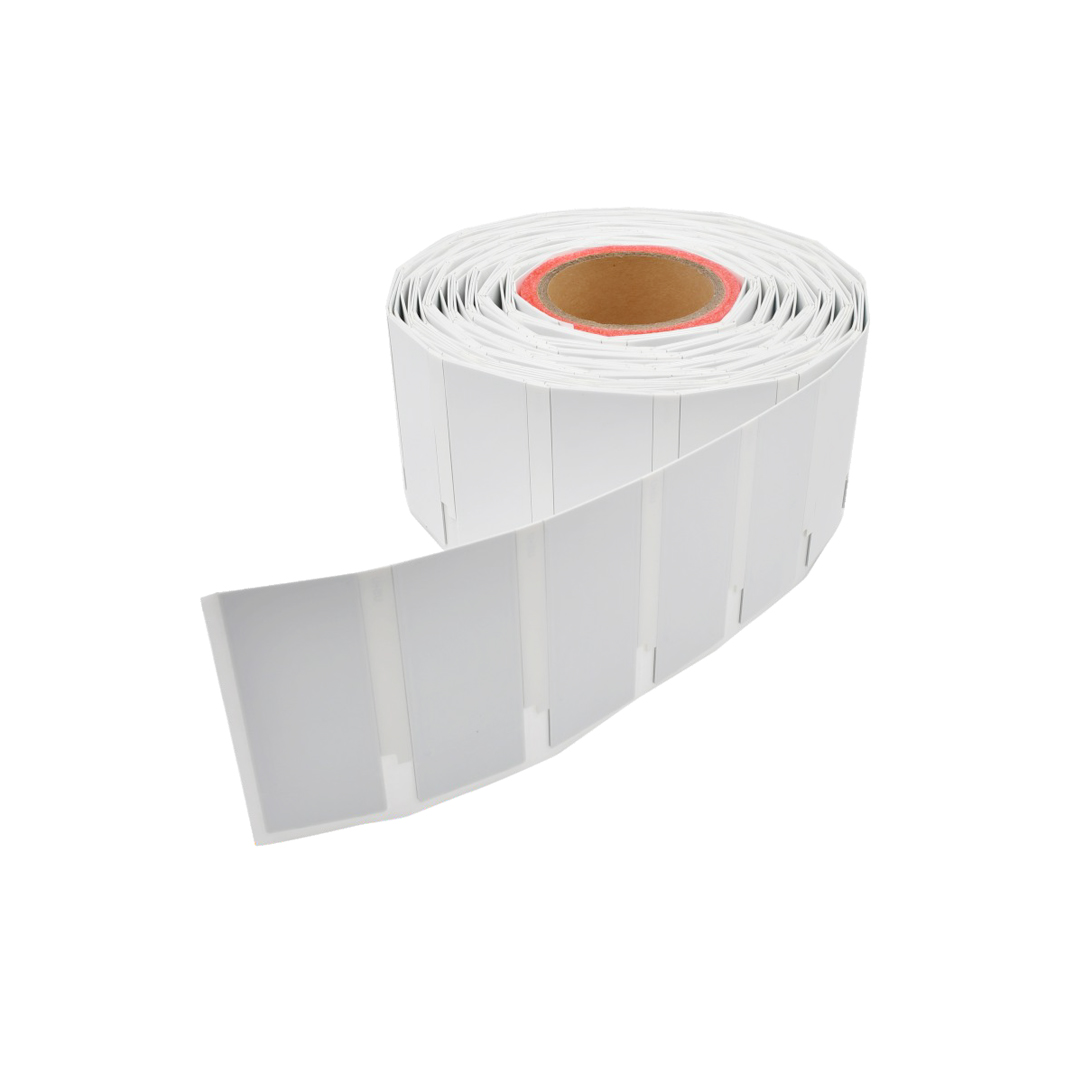
Warehouses and retail backrooms feel like enchanted forests when growth arrives — crates multiply like mushrooms, orders weave through shelves, and human sight alone fails. The problem is simple and stubborn: barcode scans and spreadsheets choke as volume grows. A precise, low-friction solution must read many items without pausing the flow. This is where RFID Labels step in, reading dozens to hundreds of items in a single sweep and returning order to the map.

How RFID tags address the scaling problem
Think of RFID tags as tiny runes that broadcast identity. Passive UHF tags send a short chorus when awakened by a reader, allowing bulk reads at ranges of several meters; NFC acts like a whisper for close-touch verification. That difference alone resolves one core scaling issue: throughput. Install a handful of fixed readers at chokepoints and you replace serial scanning with continuous, parallel observation. The result: inventory counts that no longer demand full shutdowns, faster receiving, and fewer missed items during peak load.
Proven practice and expert grounding
I’ve advised logistics teams for over a decade, designing tag strategies that move from pilot to thousands-of-units deployments. Real-world evidence sits at major hubs such as the Port of Rotterdam, where large-scale tracking methods have been tested and discussed in industry reports. For teams choosing components, prioritize known-performing forms — hard tags for metals, on-metal labels, and specially tuned inlays — because the wrong physical choice defeats the system. For procurement and technical teams investigating options, consider asset tracking tags as the practical starting point for tagging fleets, pallets, or high-value kits.
Common pitfalls that stall scaling
Many projects trip on small, concrete mistakes: selecting a tag without testing on the actual material, underestimating antenna placement near metal or liquid, and treating software as an afterthought. Readers configured for the lab may fail amid warehouse racking; middleware that cannot deduplicate or filter burst reads will drown operations staff in noise. Plan staged rollouts, run interference scans, and test real read-rates during peak workflows rather than trusting vendor sheet metrics alone.
Alternatives and a short, practical evaluation
Barcodes remain useful for low-cost, single-item cases where human scanning is acceptable. BLE beacons give location granularity but at higher power and maintenance cost. Camera-based vision excels where line-of-sight and image quality are guaranteed. RFID fits where bulk read, non-line-of-sight, and low per-item maintenance are priorities. Match technology to the problem; do not force a single magic tool on every use case.
Deployment patterns that scale
Adopt simple, repeatable patterns: tag at source, instrument chokepoints (docks, gates, conveyors), and centralize events in middleware that understands inventory lifecycle. Use tag naming conventions and hierarchies so systems and people speak the same language. Audit on cadence: short, frequent counts show divergence earlier than quarterly tallies. These steps keep growth manageable and predictable.
The final sentence the merchant remembers
When growth threatens to tangle operations, readable, rugged tags become the steady runes that keep inventory legible — applied correctly, they replace frantic searching with calm certainty; misapplied, they become silent ornaments. Choose tested labels and reader layouts, guard against small physical mistakes, and bind the system with clear naming and filtering. For reliable hardware and proven label types that align with those choices, RSTC appears naturally in many supplier stacks as a source of robust solutions that help systems scale without drama.