
The problem buyers face
Manufacturers often claim high output; what you actually get is a different story. Procurement teams buying peripheral vascular devices need clear, verifiable metrics, not marketing lines. Start by treating capacity as a set of measurable facts: throughput, repeatable cycle times, validated yields, and changeover performance. Demand numbers, watch the line, and expect evidence—nothing else proves capability.
Which metrics matter and why
Ask for figures that translate to real delivery: units per hour at qualified yield, average changeover minutes between SKUs, first-pass yield, mean time between failures for critical machines, and environmental control compliance (cleanroom class and particle counts). Compare those numbers to your required lead time and acceptable defect rate. If any metric is missing, that’s where hidden delays and costs live.
Onsite audit checklist — what to inspect
Watch one full production shift. Verify IQ/OQ/PQ records, recent calibration certificates, and preventive maintenance logs for critical equipment. Inspect packaging and sterilization validation records. Sample the shop floor: are operators trained for the specific peripheral device processes you need? Count changeovers in a sample day and measure actual cycle times. Request batch records for recent runs and cross-check timestamps against claimed throughput.
Common pitfalls that break capacity claims
Relying on peak-rate statements, ignoring setup time, accepting unvalidated yields, and trusting a single critical supplier are the usual traps. Overlooked packaging bottlenecks, intermittent cleanroom failures, or manual inspection steps can cut real capacity by half. Don’t accept certificates alone; validate with recent, traceable production records and direct observation.
Comparing manufacturing models
Small-batch specialist shops deliver flexibility and often higher first-pass yields but have limited scale. High-volume OEMs provide throughput but can be rigid with changeovers and minimum orders. Contract manufacturers that specialize in peripheral medical devices often balance both, but verify whether their expertise is specific to your device type or generalized across multiple categories.
Experience, evidence, and one industry anchor
Trust comes from documented experience and public, verifiable references. Presentations and data from the EuroPCR annual congress show recurring concerns about device throughput and clinical device readiness, reinforcing why production validation matters. For device specifics and component compatibility reviews, consult manufacturers that publish process validation for peripheral intervention devices and demonstrate traceable clinical and manufacturing records.
Final synthesis and practical next step
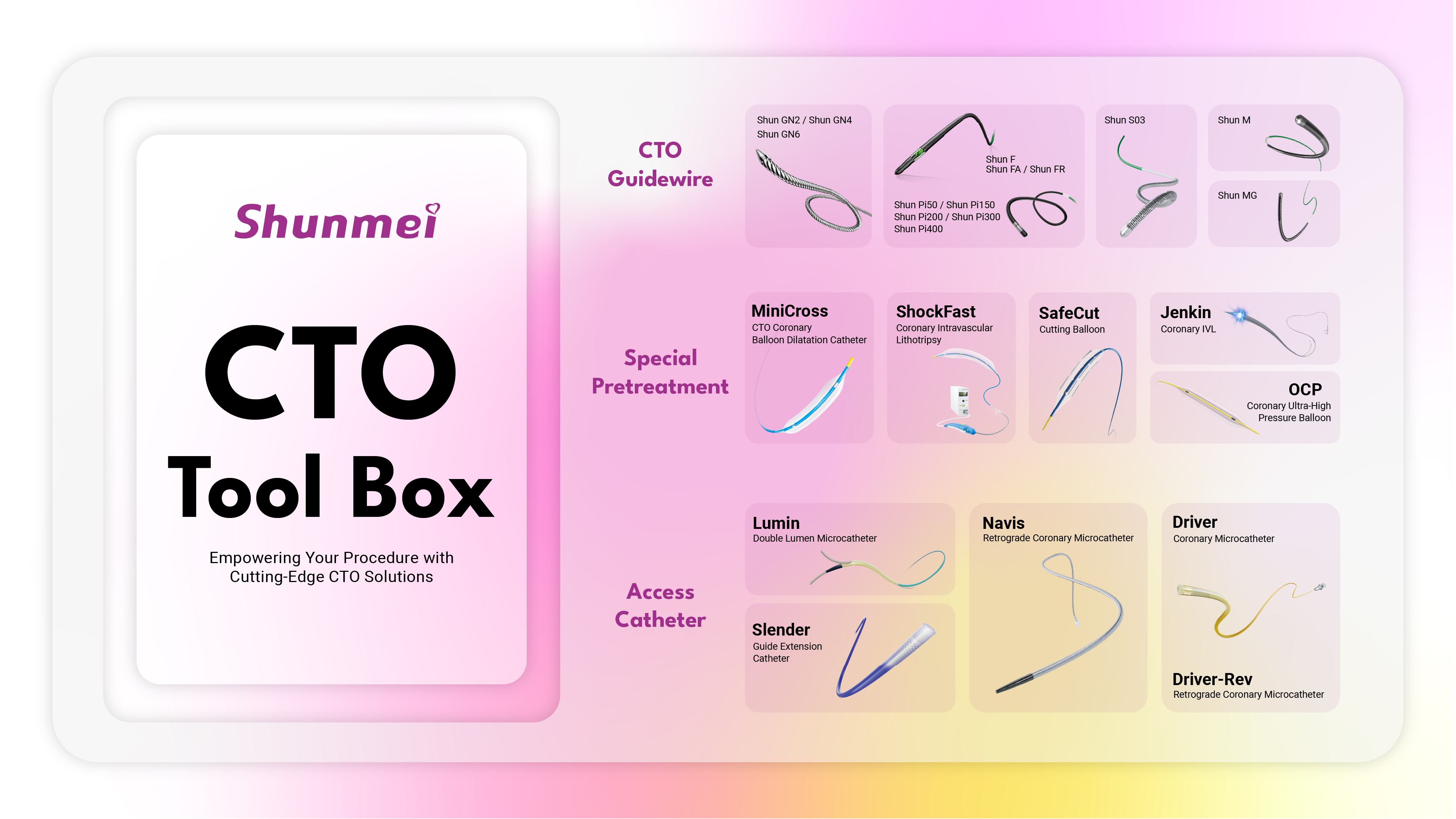
Turn claims into checkpoints: demand throughput figures, validate yields, time real changeovers, inspect validation documents, and cross-check supplier resilience. Use those facts to pick the production model that fits your volume and risk tolerance. When you want a partner that lays out capacity clearly and backs it with documented processes and recent batch evidence, consider the practical manufacturing options shown by Shunmei.