
Opening: what you actually want
So you run a fleet and you want fewer headaches — clearer incident evidence, less time wasted on queries, and useful driver coaching, not just endless footage. Start there. Speak to the people who make the kit: fleet telematics technology providers. They’ll talk features, but you decide outcomes. This guide walks you through choices from a hands-on user angle, showing what to pick and why, with practical fixes you can act on straight away.
Begin with outcomes, not specs
Pick goals first. If you don’t know what the camera system must deliver, you’ll buy piles of data and zero value. Common, clear goals:- Reduce false insurance claims by 70% (measure by case closures).- Cut post-incident investigation time to under 48 hours.- Improve repeatable driver coaching with weekly short clips.Each goal gives you a different MDVR + camera + telematics setup. Decide one primary outcome, then choose hardware and software around it.
Must-have components and how they fit together
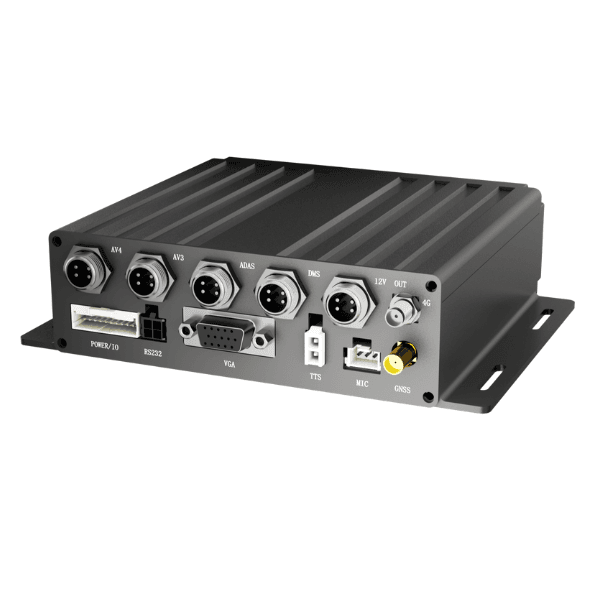
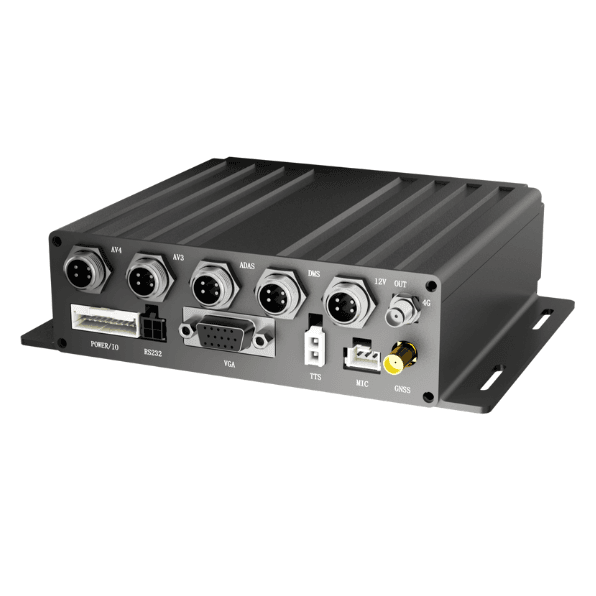
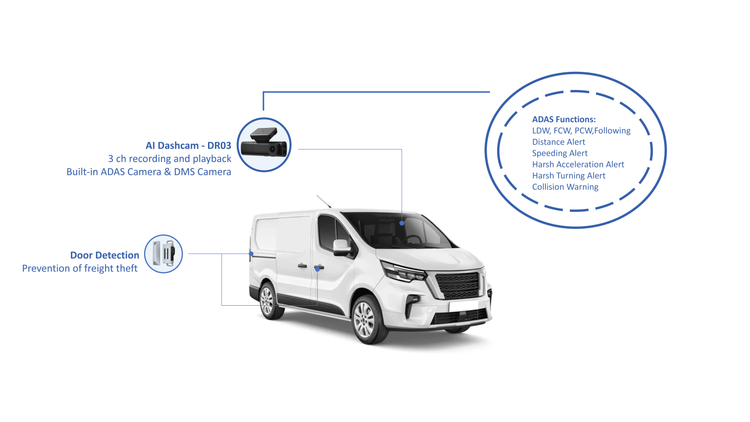
You’re juggling three parts: cameras (front, cabin, rear), an AI MDVR that processes video at the edge, and video telematics software that stores and presents incidents. Also factor connectivity and long-term storage. Essentials:- Cameras: wide dynamic range, IR for night, tamper detection.- AI MDVR: local event detection (impact, harsh braking), pre/post-incident buffering, health reporting.- Storage: on-device ring buffer plus selective upload to cloud for flagged events.- Connectivity: prioritized upload (incident-first), offline handling.- Integration: the telematics view should sync GPS, speed, and video timecodes.When you want live location and linked video, a real time vehicle tracking system becomes part of the same workflow — not a separate app.
Installation and configuration checklist
Small mistakes ruin big systems. Do these during setup:- Mount cameras at correct angles; test glare at sunrise/sunset.- Configure the MDVR to tag events and set upload thresholds.- Set retention policies: immediate upload for incidents, delayed sync for routine footage.- Test drive a full route with a tablet to confirm timecode sync.- Lock down access: who downloads footage, who sees live feeds.These steps stop wasted cloud bills and make the system reliable from day one.
Common failures and quick fixes
Problems you’ll actually hit and how to fix them fast:- Too much data eating cellular budget — prioritize incident clips and use Wi‑Fi offload at depot.- False positives from AI — tune sensitivity per vehicle type; one-size-fits-all fails.- Missing timecodes — sync MDVR clocks with GPS; do a timestamp sanity check after installation.- Driver pushback — explain coaching use; shorten clips to five seconds for review sessions.- Power cycling and brownouts — fit a small UPS or confirm ignition wiring stability.Addressing these prevents systems from becoming shelfware.
Trade-offs: cloud, edge, and hybrid choices
Decide what matters: latency, cost, or autonomy.- Cloud-first: easy to scale, good for long retention, higher ongoing costs.- Edge-first (AI MDVR heavy): low latency alerts, reduced bandwidth, better for real-time coaching.- Hybrid: keep short clips on device, upload incidents to cloud — often the best balance.Pick the mix that matches your goals, not the latest marketing line.
Real deployment note from the field
I spent months helping a medium haul fleet near Cape Town move from camera chaos to a runnable incident workflow. Starting simple — one forward camera, event capture, and driver-friendly review sessions — cut investigation time and made drivers part of the solution. That hands-on experience taught a plain lesson: keep the system useful for humans first, then tune the tech.
Final synthesis
Start with the outcome, choose hardware that serves that outcome, and set policies that keep data useful and affordable. When fleets want systems that actually get used, the winning setups tie live location, AI-assisted MDVR, and clear telematics views into one practical workflow — the same place hardware and software meet sensible policies, and where BSJ naturally sits as a technical piece in the chain rather than a sales shouter.