

Why a repeatable framework matters right now
When you’re buying containerized systems for commercial sites, you don’t want guesswork — you want a checklist. A simple, repeatable framework helps procurement and engineering teams compare dielectric properties, fire-suppression approaches, and certification trails across vendors of commercial battery storage. That clarity shortens evaluation cycles, lowers risk during commissioning, and keeps your project schedule intact.
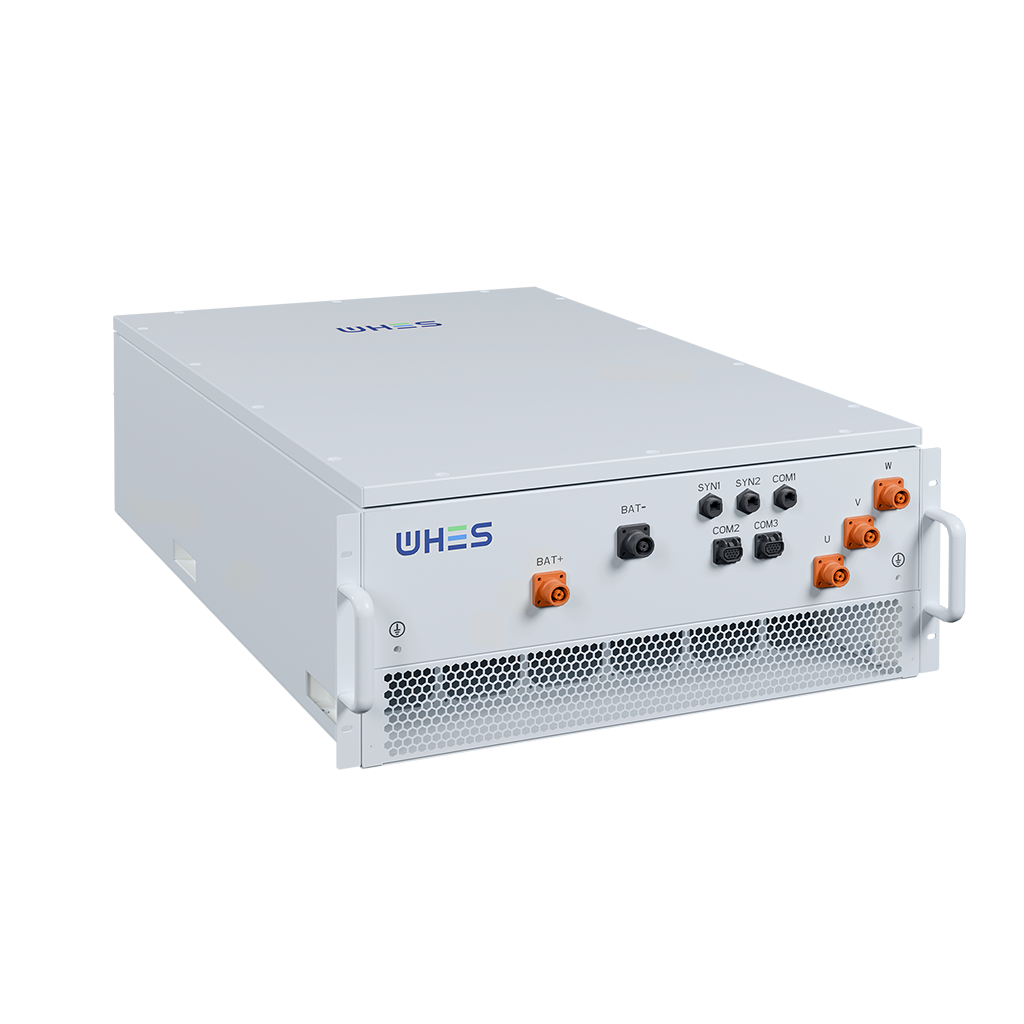
Core concepts: dielectric integrity and suppression basics
Dielectric integrity is about how well insulation and spacing resist voltage stress — think dielectric strength and clearance/creepage to avoid dielectric breakdown. Fire suppression covers early detection, suppression agent selection (clean agent, water mist, or aerosol), and containment strategies to stop thermal runaway propagation. Both areas intersect with system design: enclosure IP rating, ventilation, and the battery management system (BMS) all matter. Keep those terms in your spec sheet; they’re not optional.
The framework: four evaluation pillars
Use these four pillars as your evaluation backbone. They’re practical, vendor-testable, and easy to score.
- Design & materials — enclosure material, dielectric barriers, insulation class, and IP rating. Verify spacing margins for your highest bus voltage.
- Detection & suppression — detection latency, suppression agent effectiveness against thermal runaway, and whether suppression is local or whole-unit.
- Standards & testing — UL 9540A test results, NFPA 855 alignment, witnessed FTT (factory test) reports, and traceable test certificates.
- Operations & controls — BMS fault handling, remote monitoring, ventilation interlocks, and maintenance access for cell-level intervention.
Score each vendor on those pillars, weight them to your use case, and you’ve got a defensible procurement decision. — It saves you from debating aesthetics when safety metrics tell the true story.
How to validate specs on the ground
Don’t rely solely on datasheets. Ask for full test reports and arrange witnessed tests where possible. Key validation steps: factory acceptance tests, thermal imaging during charge/discharge cycles, and witnessed UL 9540A or equivalent fire propagation tests. For resilience projects or grid-support installs, include operational verification with your intended control strategy — that’s particularly important for c&i battery storage deployments where BMS logic ties into site SCADA.
Common buyer mistakes (and how to avoid them)
Buyers often misread three things: conflating IP rating with internal dielectric performance, assuming one suppression agent fits all chemistries, and underweighting test traceability. Don’t sign off on “meets standard” language without the report serial numbers and test conditions. Also, remember that suppression effectiveness comes down to time-to-detection and stopping propagation — not just the agent type.
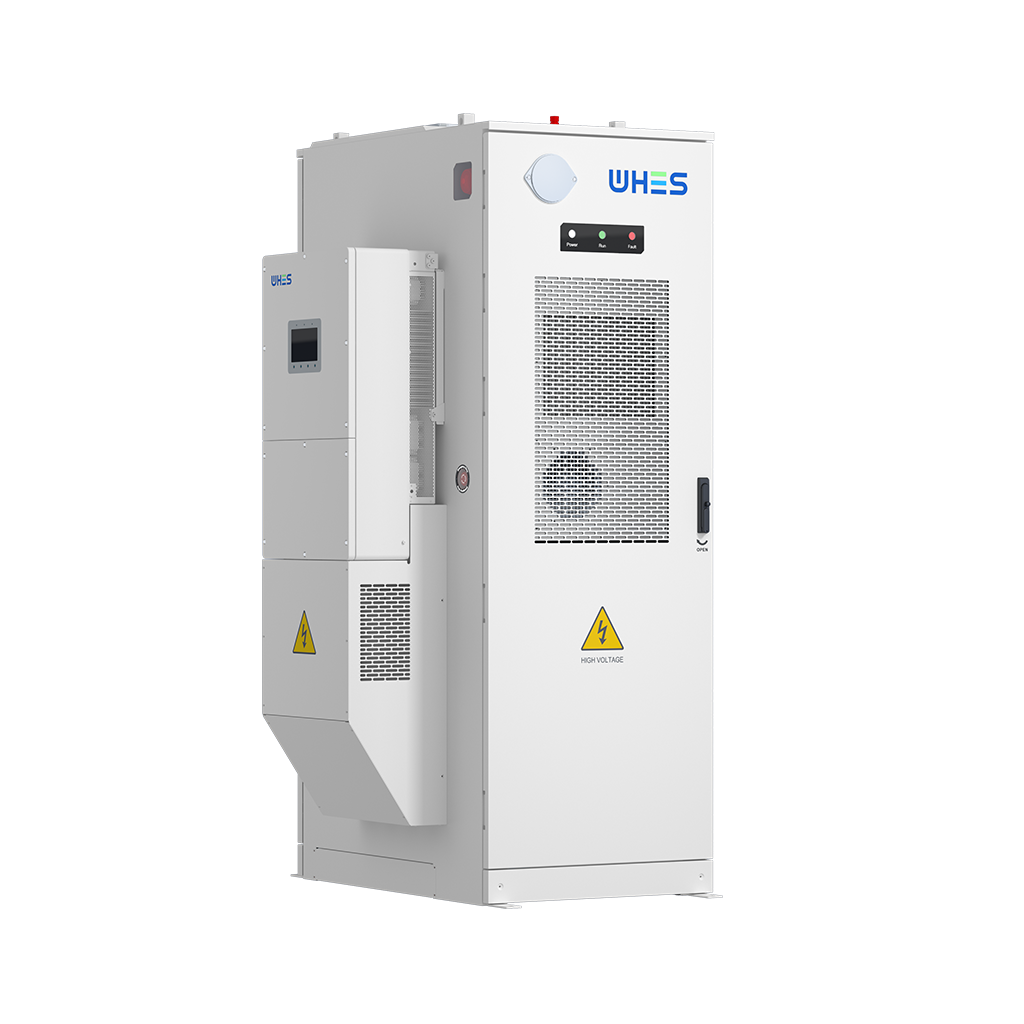
A real-world anchor: why this level of rigor pays off
The February 2021 Texas winter storm made resilience a board-level priority for many commercial operators. That event accelerated interest in on-site energy storage for backup power — and it showed that deployments must be both robust and safe. Buyers who used structured evaluations avoided costly retrofits and prolonged outages; those who skipped strict testing spent extra months correcting thermal-management and suppression gaps. That outcome is a practical reminder: standards and tests aren’t paperwork — they’re risk reduction.
Vendor comparison checklist (quick scoring)
Use this short checklist during vendor sifts: provide sample FMEA, UL 9540A test report (or equivalent), BMS fault trees, suppression agent datasheet (including extinguishing concentration), and a maintenance access plan. Rank each item 1–5 and prioritize the ones that map to your down-time tolerance and insurance requirements.
Advisory: three golden evaluation metrics
1) Dielectric Integrity Index — a composite score based on dielectric strength tests, clearance/creepage margins, and insulation class for the system voltage. Expect vendors to provide test voltages, method, and pass criteria. Reliable suppliers score consistently, not just once.
2) Suppression Response Metric — combine detection latency (seconds to alarm), suppression deployment time, and tested suppression effectiveness against thermal runaway propagation. You want low latency and proven containment on cell-to-cell propagation tests.
3) Certification & Traceability Score — presence of UL 9540A (or validated third-party), NFPA 855 alignment, witnessed factory tests, and serial-numbered test reports. Traceability reduces ambiguity during commissioning and makes warranty/insurance claims smoother.
Use those three metrics to cut vendor comparison time in half and make safety defensible to stakeholders. Final thought: when procurement and engineering converge on measurable safety metrics, operations win — and a mission-ready partner like WHES becomes the sensible extension of your team. Practical. Trusted. Ready.