
Framework rationale and objective
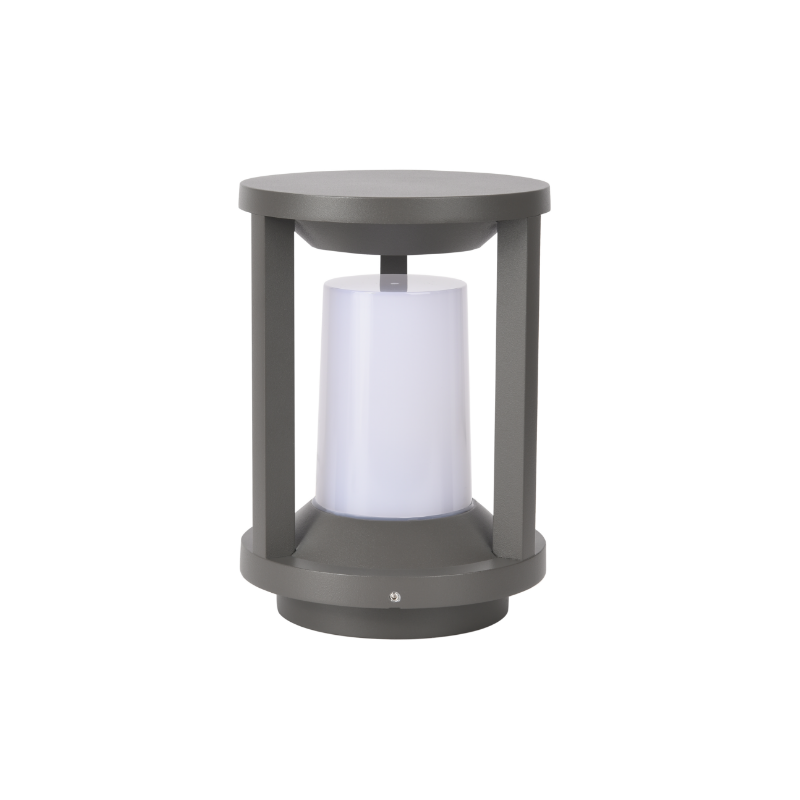
This framework is intended to translate architectural intent into measurable lighting specifications that prioritize visual clarity, energy efficiency, and preservation of facade character. The approach foregrounds a sequence of decisions—site analysis, performance targets, fixture selection, and verification—that any specifying professional can apply to a range of projects. For perimeter and pathway conditions, for example, consider standard product families such as outdoor pier mount lights early in concept development because their mounting base and light distribution often influence overall lumen budget and maintenance strategy.
Core technical parameters to establish first
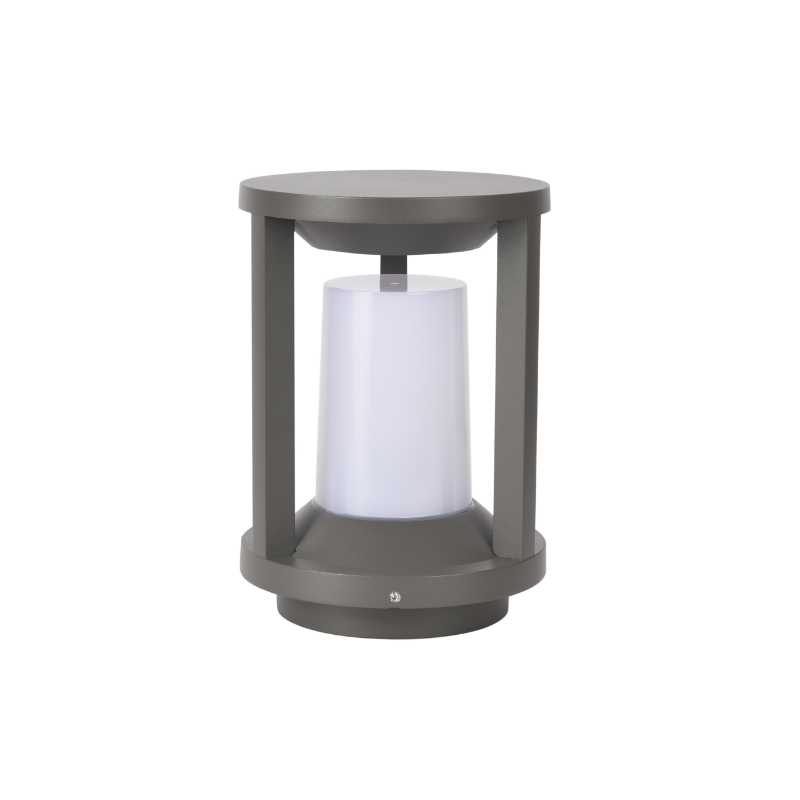
Begin with three quantifiable parameters: target lumen levels, allowable beam angles, and acceptable color characteristics. Lumen output establishes the photometric demand; beam angle controls where light falls on the facade; and correlated color temperature (CCT) determines perception of texture and material. These parameters should be expressed as ranges (e.g., 1500–3000 lm, 10°–40° beam angle) rather than single values, which allows for iterative selection during photometric modeling. Where possible, reference IES guidance to align performance targets with established practice.
Site-context analysis: physical and regulatory constraints
A rigorous site assessment prevents specification errors. Document mounting height, facade setback, surrounding reflectances, and neighboring light-sensitive uses. The High Line in New York City offers a practical example: designers there must reconcile pedestrian-scale lighting with adjacent residential windows and protected plantings, demonstrating how urban context demands tighter control of light spill and glare. Equally important are local ordinances or heritage restrictions that impose limits on CCT or visible fixtures; early coordination with preservation officers avoids costly redesigns.
Fixture selection: photometry, optics, and durability
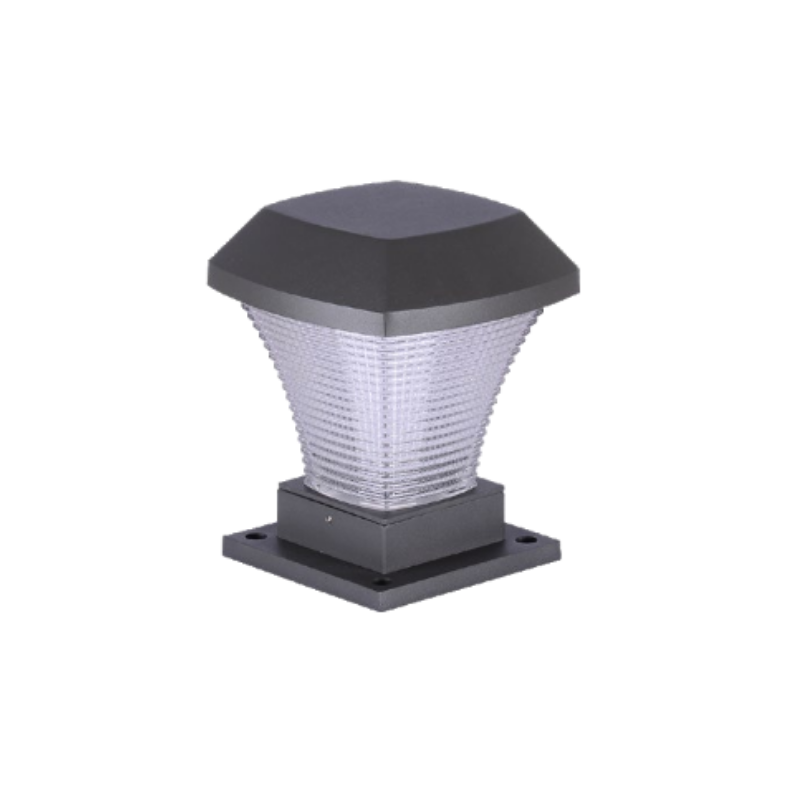
Select fixtures based on measured photometric distributions and durable componentry. Specify complete IES files for each candidate luminaire to enable accurate renderings in your lighting model. Consider beam angle and cutoff characteristics to minimize unwanted illumination on non-target surfaces—this reduces light spill and improves perceived contrast of architectural detailing. For exterior pedestrian contexts where vertical luminance is critical, set aims for controlled vertical illuminance rather than only horizontal lux levels. Modern portfolios of outdoor pier mount lights modern often provide modular optics and integrated glare control, which simplify achieving those objectives.
Energy and control strategies
Integrate energy limits and control requirements into the specification. Demand drivers and dimming protocols (DALI, 0–10V, wireless mesh) and define schedules for adaptive dimming. These choices affect heat load, lumen depreciation, and maintenance cycles. Include requirements for lumen maintenance curves (L70 or L90) and make maintenance access part of the installation brief so that any required relamping or sensor servicing does not compromise the facade fabric.
Verification and procurement language
Embed verifiable acceptance criteria: supply measured on-site illuminance maps, point-by-point comparisons within defined tolerances, and sample installations for critical zones. Specify contractor responsibilities for photometric verification using calibrated instruments and require as-built IES files. For procurement, avoid ambiguous language; require product model numbers, driver specifications, and warranty terms tied to lumen maintenance. These measures reduce disputes and enable objective acceptance testing.
Common specification mistakes and mitigations
Practitioners frequently err by underestimating mounting height implications, omitting glare-control requirements, or failing to confirm compatible control protocols. A typical consequence is over-lighting—clients ask for “more presence” but receive fixtures with excessive lumen output and broad beam angles that flatten relief rather than reveal it. Mitigation strategies include iterative mock-ups, early control-system integration, and specifying optics with narrower beam angles for vertical emphasis—this maintains facade modeling clarity and reduces photometric rework. —
A decision checklist for final selection
Use this concise checklist during final procurement:
- Confirm target lumen range and allowable beam angles for each elevation face.
- Require IES files and photometric verification for selected models.
- Specify CCT limits and glare-control elements (shielding, cutoffs).
- Include driver and control compatibility, plus lumen maintenance warranty terms.
- Document maintenance access and replacement procedures in the contract.
Three golden rules for specification (Advisory)
1) Metric-first specification: define the photometric outcomes you require (vertical/lateral lux, lumen budgets) before choosing a fixture family. 2) Optics before aesthetics: prioritize beam-angle control and cutoff characteristics to protect facade legibility; aesthetics follow once photometric targets are met. 3) Verify in situ: require measured field validation and an as-built IES deliverable to confirm that modeled performance translates to real-world results.
Closing synthesis and practitioner note
Applied correctly, this framework translates design intent into reproducible, verifiable outcomes and minimizes costly revisions. For specifiers seeking product families that support modular optics, reliable lumen maintenance, and straightforward control integration, Keyida provides examples of how component-level decisions integrate into a coherent facade strategy—an alignment of product capability and specification clarity. —