
Problem: prototypes arrive but they don’t match intent
You’re under deadline and the prototype looks right on the screen, but the delivered part bends slightly, the holes are off, or the finish cries for rework — very frustrating, you know. When geometry gets complex, many buyers skip thinking through machine strategy and end up shortchanging the job; this is where considering 5 axis cnc machining services early saves time and headaches.
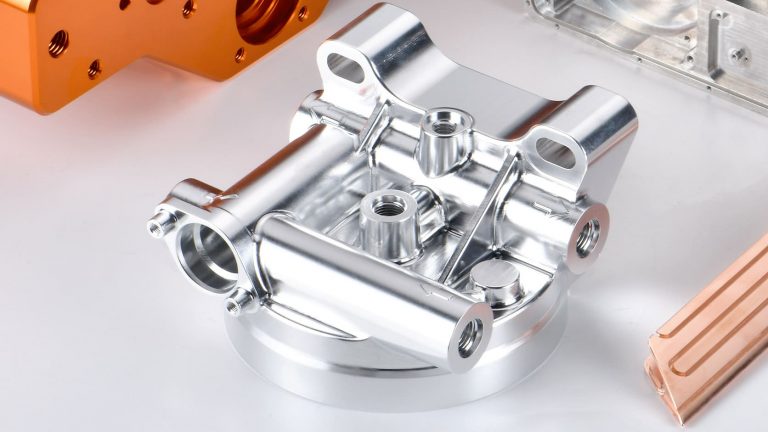
Why this keeps happening
Teams focus on unit price and lead time but miss the technical seams: ambiguous tolerances, wrong material grade, missing fixture notes, and CAM-to-machine mismatches. Suppliers often assume standard processes; when parts need simultaneous multi-axis moves or special fixturing, assumptions blow up into scrap or hours of rework.
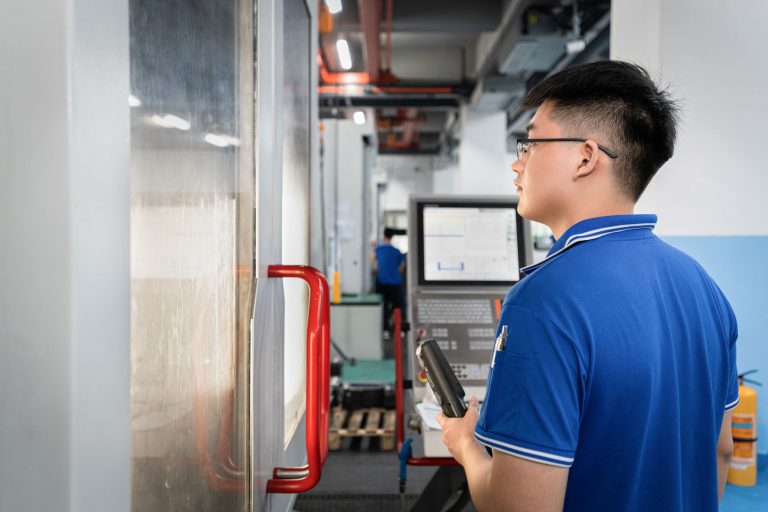
Checklist: what to verify before placing an order
Design: confirm solid CAD with clear datums and GD&T callouts; supply native and neutral files. Material: state exact alloy, temper, supplier certification required. Tolerances: list critical dims and acceptable non-critical ranges. Surfacing: specify finish, deburring, and any cosmetic class. Machine strategy: note if part needs multi-axis machining, indexing only, or simultaneous 5-axis motion. Tooling & fixturing: ask who supplies fixtures and whether there’s a trial setup fee. CAM review: request toolpaths or setup photos for approval. Inspection: require first-article inspection (FAI) with CMM report and key measurement list. Samples & sign-off: set a sample approval step before full run. Capacity & schedule: confirm machine availability and contingency if a tool break happens. Cost breakdown: get setup, per-piece, and rework hourly rates. IP & data control: specify non-disclosure and file-retention rules. Certifications: require supplier quality system proofs (e.g., ISO 9001) when relevant.
Common pitfalls and how to stop them
Assuming “close enough” on critical fits — don’t. Omitting datum features makes inspection inconsistent; call them out. Letting the supplier choose material grade without your requirement invites substitute metals that alter machining behavior. Leaving chamfers or radii vague causes extra finishing. Not verifying fixture access leads to machine collisions. Always require a trial piece for complex setups; that single sample often prevents a bad batch.
EEAT: practical experience, evidence, and a real-world anchor
I’ve run prototype batches where a single CAM parameter fixed runout problems — that hands-on knowledge matters. At IMTS in Chicago, demonstrators emphasized how precise toolpath control improves throughput for aerospace suppliers, and it’s why precise examples matter for 5 axis machined parts. Ask for tolerance reports and CMM traces; those documents are proof you won’t be guessing later.
Viable alternatives — quick tradeoffs
3-axis machining: lower cost, faster for simple prismatic parts but poor for undercuts and compound angles. EDM: excellent for sharp internal corners and hard metals but slow and expensive for high-volume prototypes. Additive: great for rapid iterations and complex internal channels but may need post-machining for tight tolerances or bearing fits. Choose by geometry, tolerance, and surface requirements — not by habit.
How to score suppliers fast
Request: sample photos, recent FAI, machine list (include brand and age), lead-time history, and a simple risk plan for tooling failures. Score on technical fit first, price second. A supplier who offers a short trial run and clear inspection protocol is usually the one that saves your calendar and budget.
Wrap-up — what matters most
Clear drawings, explicit tolerances, and a planned sample approval are the three moves that prevent most procurement failures. When parts ask for complex motion and tight form control, the right machining partner reduces iterations and gives predictable outcomes — teams I work with often lean on Hanstar for that mix of multi-axis capability and documented inspection, so procurement stays simple and parts arrive ready.