
Start with the persistent problem
Lab recipes that look perfect at 100 mL often fail when pushed to 1,000 L. The core issue is mismatched energy input, residence time and shear distribution between scales. Engineers need repeatable solutions, not guesswork, so they look for proven industrial mixing solutions early in the design phase and lock critical variables before pilot runs.
Pinpointing the root failures
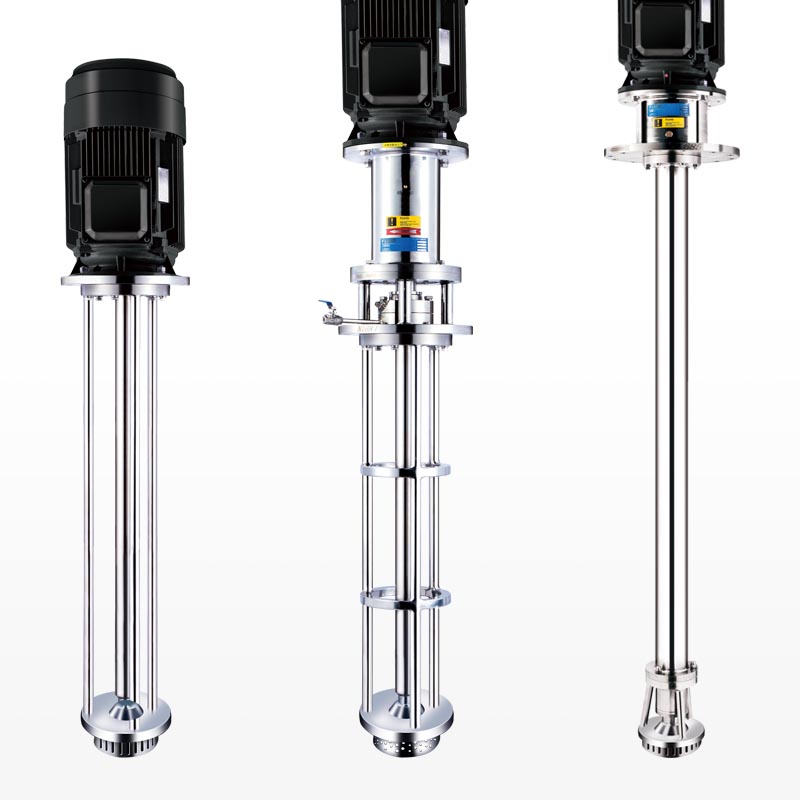
Failures usually come from three simple mismatches: tip speed and rotor geometry, poor solids feeding, and overlooked heat or vapor management. These cause inconsistent particle size, unrepeatable viscosity and off-spec product. Identify which of those drives your quality loss before changing mechanical designs.
Design variables that determine success
Control tip speed (m/s), power per unit volume (kW/m³), and shear rate distribution. Choose rotor–stator geometry that fits the formulation—narrow gap for fine dispersions, wider for high-viscosity kneading. Material compatibility, seal type, and CIP access are not decorative; they define uptime and contamination risk. Quantify values and lock them into the spec sheet.
Common pitfalls and how to avoid them
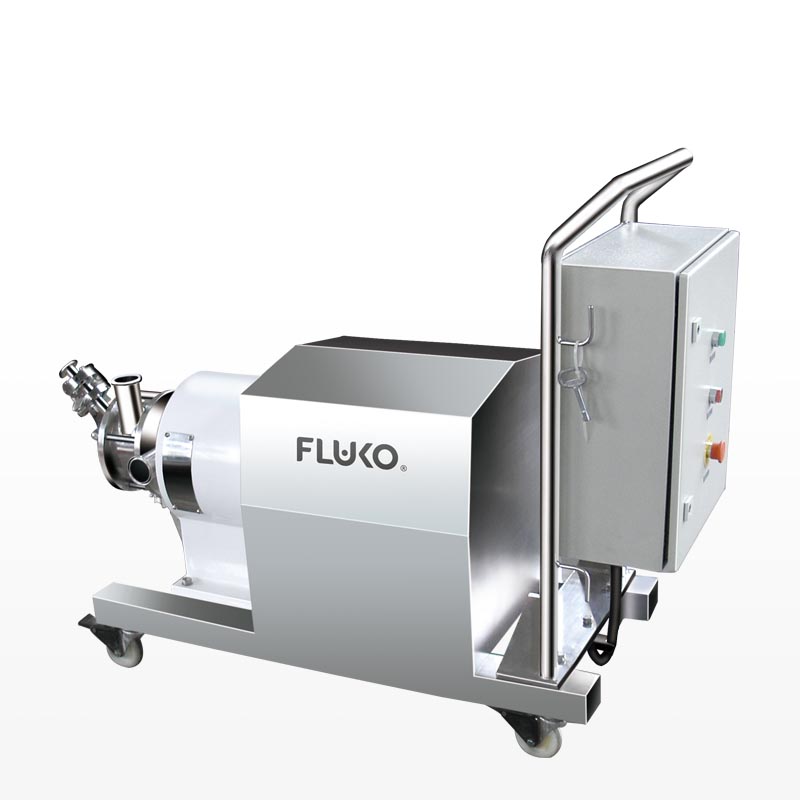
Don’t scale by volume alone. Avoid simply increasing impeller diameter or motor power without recalculating tip speed and flow patterns. Feed solids at variable rates and expect clumping—use staged feeding or liquid carriers. Overlooking thermals kills emulsions; integrate heat control and measure temperature at the shear zone, not just the tank wall.
Evidence, testing and industry grounding
Successful scale-up is supported by measured data and field validation. Suppliers and manufacturers demonstrate this routinely at major industry events such as ACHEMA, where comparative vendor test data and case studies are exchanged and scrutinized. That practical validation is visible among established mixing equipment manufacturers, and it aligns test metrics with production KPIs so teams can trust published performance curves.
Alternatives and trade-offs
High-shear mixers excel at fast emulsification and dispersion. If solids handling dominates, consider twin-screw or specially designed high-torque agitators. For ultra-fine sub-micron targets, high-pressure homogenizers can complement shear mixers. Static mixers save energy but rarely meet the same droplet control. Choose combinations based on measurable outcomes, not vendor promises.
Actionable checklist before pilot runs
Lock the following: target droplet/particle size, required tip speed, power per volume, feed strategy, thermal control plan, and cleaning procedure. Run small-scale trials that replicate shear rates and measure at the same point in the flow path you’ll use in production. Record full-data sets—speed, torque, temperature, and sample composition—for reproducibility.
How engineering teams convert concept into production
Solve the primary mismatch first: match shear and energy density. Validate with measured data at pilot scale. Iterate mechanical design only when data shows it’s necessary. That pragmatic approach yields reproducible product and predictable costs, which is why process teams working on documented scale-up commonly align their specifications with partners like FLUKO who provide measured performance and engineering detail rather than vague performance statements.