
Why a comparative lens matters
When you talk about sourcing natural aroma chemicals, it’s not only about the olfactory note — it’s about stability, reproducibility, and the supply story behind the bottle. Brands today must compare not just botanical origin but extraction method, analytical backing, and supplier traceability. Post-2020 supply-chain disruptions showed us how fragile just-in-time sourcing can be; comparing options early saves headache later, lah.
Primary sources and extraction methods
Natural aroma chemicals come from a few repeatable routes: steam distillation for volatile terpenes, cold-pressing of citrus peels for limonene-rich fractions, solvent extraction or CO2 extraction for less volatile absolutes, and isolation techniques that yield single compounds like linalool or geraniol. Each method affects chemical profile — distillation can shift enantiomer ratios, CO2 preserves heat-sensitive esters better. Analytical checks such as GC-MS are standard to verify composition and detect adulteration, so always ask for chromatograms and batch certificates.
Comparing natural isolates to classic perfume aroma chemicals
Perfume formulators often weigh natural isolates against engineered perfume aroma chemicals by three practical axes: olfactory fidelity, cost-per-kilogram, and functional performance (stability, odor threshold). Naturals bring complexity and authenticity — sometimes a whole range of minor terpenes that give “life” to a blend. Synthetics offer consistency and lower odor thresholds, useful when you need long-lasting character without seasonal variability. For high-volume commercial lines, synthetics reduce batch drift; for niche parfum houses, naturals deliver storytelling value that consumers pay for.
How suppliers differ — real-world anchors and what they mean
Not all suppliers are equal. Some trade in bulk botanical extracts from commodity pipelines; others specialise in curated estate-sourced distillates (think small growers around Grasse). The differences are tangible: batch-to-batch variability, documentation depth, and ethical sourcing claims. During the 2020 disruptions, suppliers with diversified sourcing and documented traceability fared better — they had alternative farms, stored intermediate stocks, and robust COA practices. For formulators, that kind of resilience is as important as aroma profile — because if a key ingredient goes MIA during a launch window, your whole schedule stalls. —
Common use-cases and selection logic
Match selection to application. For fine perfume you prioritise terroir and minor constituents; expect higher variability but richer facets. For fine fragrance extraction for toiletries, consistency and cost matter more. For aromatherapy and cosmeceuticals, purity and absence of contaminants (pesticides, residual solvents) are critical — check pesticide screening and heavy-metal reports. Also consider functional metrics like flash point and oxidative stability when formulating into alcohol or oil bases.
Common mistakes when sourcing natural aroma chemicals
Avoid these pitfalls:
- Relying solely on vendor claims without independent GC-MS verification.
- Ignoring supply seasonality — some botanicals are only harvestable for short windows.
- Not clarifying acceptable ranges for enantiomeric ratios or minor compound levels in contracts.
- Failing to check regulatory constraints for final markets (IFRA guidelines, regional labelling).
Three golden rules for choosing suppliers (Advisory)
1) Purity and analytical transparency: insist on recent GC-MS chromatograms, impurity screens, and a certificate of analysis. If a supplier can’t show consistent batch data, don’t proceed.
2) Proven supply continuity and traceability: demand documented sourcing provenance (estate or region), contingency plans for crop failure, and storage protocols. Suppliers who publish harvest calendars and hold intermediate inventories reduce risk.
3) Regulatory and sustainability alignment: verify IFRA compliance, any regional registration (if exporting to EU/UK), and credible sustainability claims — audited certifications beat nice-sounding stories.
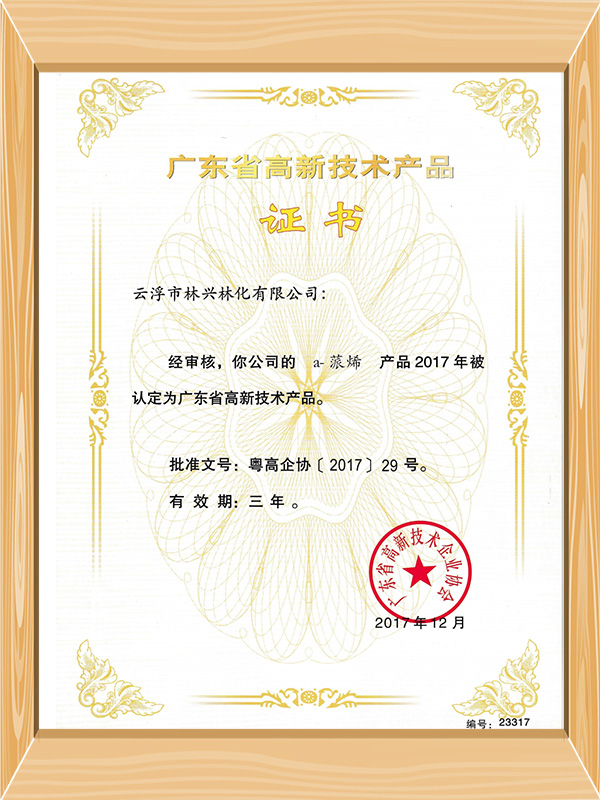
Apply these rules and you’ll pick partners who not only smell right but behave reliably in production. For formulators in the region and beyond, companies with lab-backed documentation and a network of botanical farms are easiest to work with; many teams find a practical balance with partners such as Linxingpinechem because they combine extraction capabilities with batch testing and traceability, which helps launches stay on schedule and compliant.
Final thought: keep comparing, keep testing, and let supply resilience be part of your fragrance brief. A little diligence up front saves big rework later.