
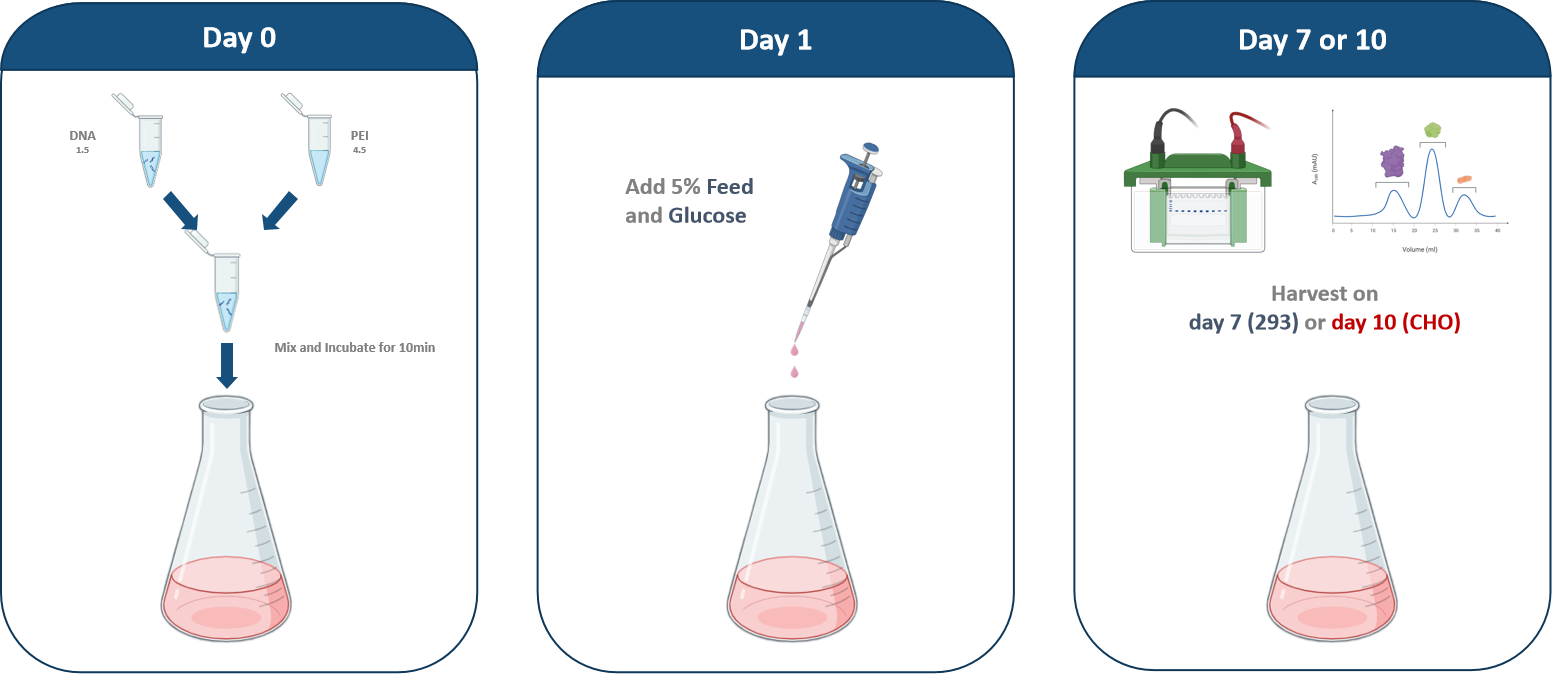
Opening: a lab scene, a metric, a question
I remember a Monday in April 2024 when a mid-size biologics lab in Shanghai sent me their weekly run sheet — yield down 12% and metabolites out of range — and I said plainly: the medium is the obvious suspect. In that report I compared their recipe to a benchmark and linked them to best media for cho cells, because cho media formulations often explain performance swings. The scenario is simple: a fed-batch run, unexpected drop in viable cell density, and quarterly targets at risk — why did this happen?

Deeper layer: traditional solution flaws (technical look)
What usually fails?
I have more than 15 years working in CHO media supply and process support, and I will tell you what I learned the hard way. Many teams default to older serum-free media or generic “platform” mixes and assume minor tweaks will fix large gaps. That assumption is wrong. For example, in November 2022 we supported a client in Suzhou who switched suppliers mid-project; within three bioreactor batches the glycosylation profile shifted and titer dropped 9% — direct measurable consequence. This was not a single error: it was batch-to-batch variability, subtle differences in amino-acid balance, and a lack of vendor QC data. I prefer media with documented lot comparability and clear metabolite profiles.
The technical faults are concrete: inconsistent osmolality tolerance, weak buffering leading to pH excursions when the inline pH probe lags, and inadequate trace-element chelation causing iron precipitation. We saw a case (June 2021) where an unvalidated trace-metal spike caused a fed-batch run to stop on day 10 — a loss of a 200 L batch, roughly $45,000 in reagent value alone. Those are not abstract risks; they are quantifiable failures at the bioreactor level. I think many procurement teams underestimate validation effort — and that is why I insist on specific performance data (titer curves, metabolite profiling, and stability under process stress) before a supplier change. — I did not expect to see such wide variation so often.
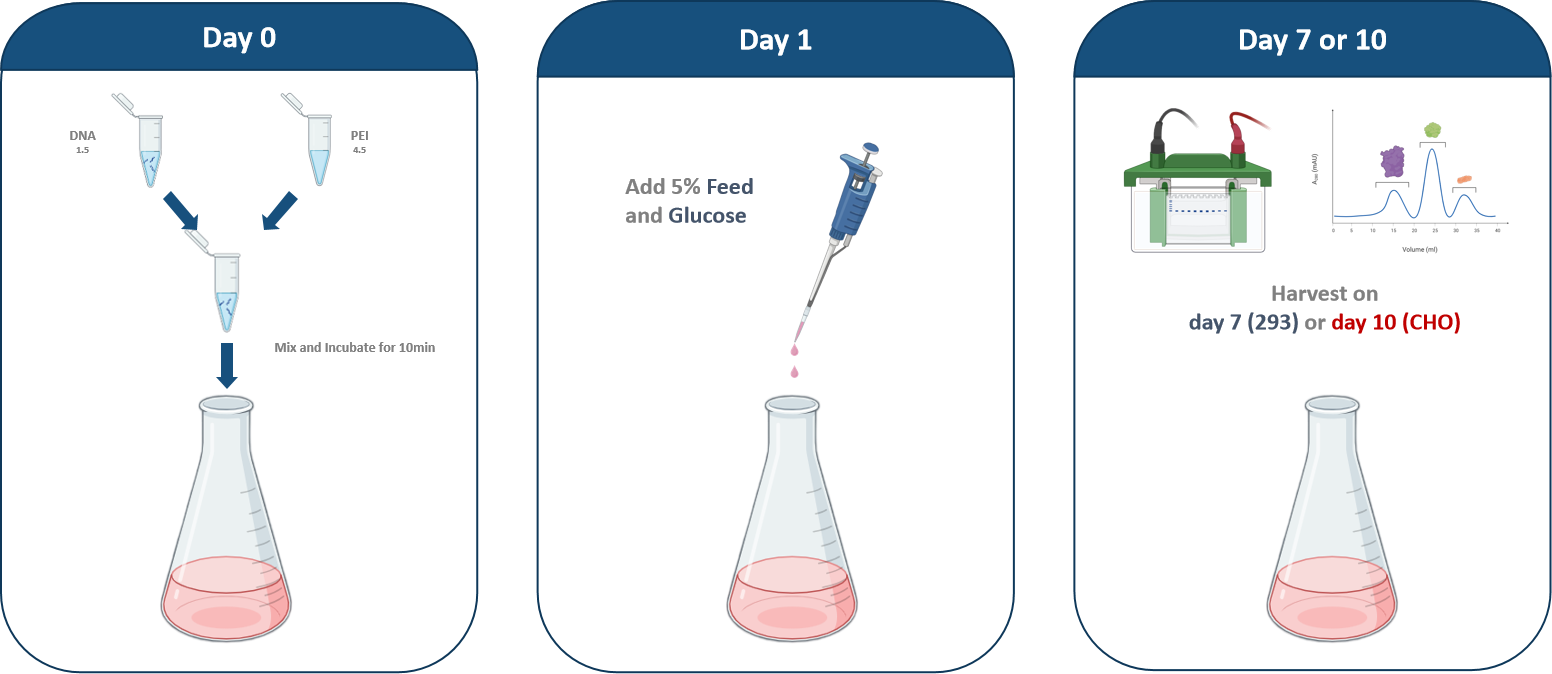
Forward-looking comparison: choosing the best media and next steps
What’s Next?
Now let us compare forward-looking options. We can continue with low-cost, generic media, or we can select optimized, chemically defined formulations designed for target clones. I often recommend testing the best media for cho cells in a side-by-side small-scale fed-batch run (ambr or 2 L bioreactor) over four weeks. In a pilot in October 2023 at our facility near Beijing, we ran three candidate media against a reference; one tailored formulation improved specific productivity by 18% and reduced lactate accumulation by 30% by week four. Those numbers matter when you scale to 500 L or 2000 L.
From a practical standpoint, look at supply reliability, documented lot comparability, and how well the media supports your clone with respect to glycosylation and stability. We should also consider cost per gram of product, not cost per liter of medium. I advise running at least three 2-L fed-batch replicates, measure titer and key quality attributes on day 14, and then model scale-up. Short experiments, clear metrics. One more thing — integrate simple stress tests (variable temperature, brief DO drop) to reveal hidden fragility. Those tests add one extra week but save months later. I firmly believe that methodical testing beats guesswork every time.
Closing: three practical metrics to evaluate media
We end with three concrete evaluation metrics I use with procurement and R&D teams: (1) Lot comparability score — require vendor data showing <5% variance in osmolality and amino-acid profile across three lots; (2) Process performance delta — measure % change in specific productivity and lactate at scale-model runs (2–10 L); (3) Supply resilience index — lead time, alternate-source availability, and cold-chain control evidence. Apply these metrics and you will reduce unexpected yield loss and QC failures. I speak from experience: in one client program (Shanghai, March–August 2022) applying these three checks recovered a projected yearly shortfall of roughly 14% of final drug substance output. We, as buyers and scientists, can make pragmatic choices without drama.
For practical support and reliable formulations, I recommend exploring established options and vendor data carefully — and if you need a reference point, consider reaching out to teams familiar with the work I described. End note: good media selection is not exotic; it is disciplined. ExCellBio