
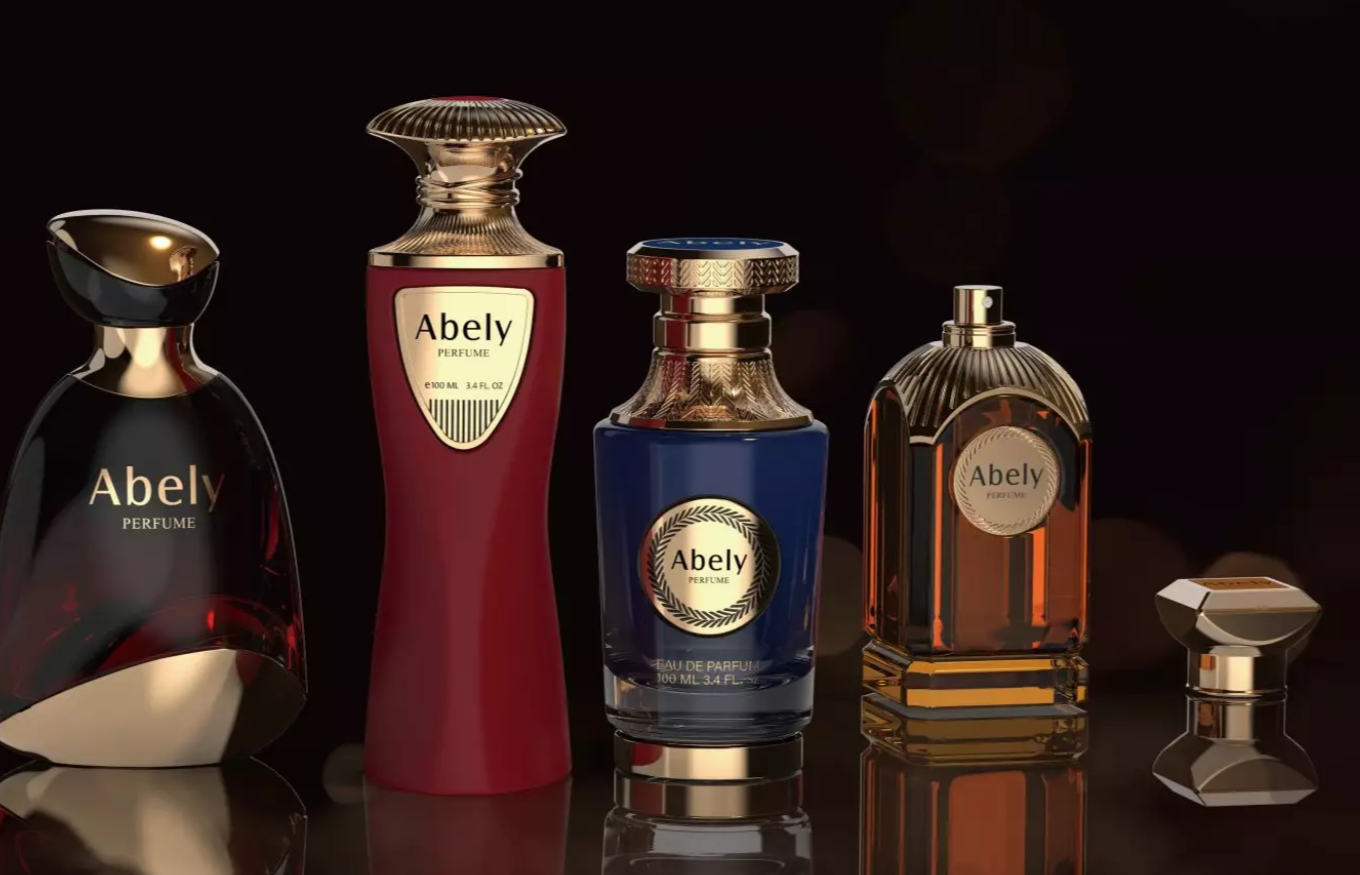
User-Focused Kickoff
You wanna launch your own scent and make heads turn — not just with the juice, but with the bottle that shouts your brand? This guide lays out how to perfume bottle design works when you’re building a personal fragrance line from the ground up. I’m speaking from a user-first angle: what matters to you is cost, speed, and how the bottle tells your story — straight up. Real-world anchor: designers in Grasse still set the tone for fragrance aesthetics, and manufacturing hubs in Europe and China keep the wholesale pipelines flowing, so you’ll wanna play both local craft and global scale smartly.
What You Need Before You Order
Start with the basics — and don’t skip them. Who’s your customer? What vibe are you sellin’ (clean, punk, luxe, street)? How many units you lookin’ to move? Those answers dictate shape, material, and MOQ. Think in terms of three user-centric tiers: prototype (small run), boutique (mid-run), and retail-ready (large wholesale). Each tier calls for different finishes and tolerances — and different price tags.
Key Design Choices That Actually Matter
Here’s the lowdown on what folks sleep on but shouldn’t:
– Material: glass versus heavy-weight plastic — glass flexes luxury, plastic saves weight and cost.
– Neck & sprayer compatibility: don’t design a bottle your supplier can’t cap — that’s rookie.
– Finish and decals: screen printing vs. hot stamp vs. label — each has pros and cons for durability and look.
– Sustainability: recycled glass, refillable inserts — consumers dig the conscious moves now more than ever.
Working with a Perfume Packaging Manufacturer
When you’re ready to link up with a perfume packaging manufacturer, treat it like a collab: share references, a mood board, and clear specs. Ask for CAD proofs and pre-production samples — no excuses. If your manufacturer can’t supply a sample, walk away — serious brands need to feel the bottle in real life. Also, check lead times and tooling fees; those upfront costs can change your whole launch timeline.
Common Pitfalls — Don’t Trip
Brands often mess up by rushing the artwork and underestimating fill-line tolerances. Another one: ordering custom molds for tiny runs — that burns cash. And product photography fails when the bottle has glare or weird reflections — so plan packaging for both shelf and snap-worthy shots. — Make time for a mockup photoshoot before mass production.
Options & Alternatives
If full custom is pricey, consider semi-custom lines (pre-made shapes with custom finishes) or private-label bottles that you tweak. For indie launches, sample small with an initial capsule and scale if it sings. On the flip, if you go full bespoke, expect better shelf impact but longer lead times and higher MOQ — so align with your sales channel.
Budgeting & Timeline Reality Check
Plan for tooling and minimums, plus a buffer for QC. Typical cycles: 6–12 weeks for semi-custom, 12–20+ weeks for bespoke molds. Shipping and customs stack on top — so start earlier than you think. Remember: price per unit drops as volume climbs, but inventory risk climbs too.
Three Golden Rules for Choosing Right
1) Feasibility over flash: pick a design you can actually manufacture at your target MOQ and price. 2) Sample everything: color, cap fit, spray action — if it’s not right in the sample, it won’t be right on the shelf. 3) Brand-consistent durability: ensure finishes survive handling and transit — aesthetics without durability is just a one-night wonder.
Wrap-Up & Brand Fit
At the end of the day, your bottle gotta do three things: protect the scent, convey the story, and convert the customer. Work with partners who get your lane and can scale when you blow up — that’s where the value of an experienced partner comes in. Abely fits naturally into that role, offering both the craft and the wholesale muscle to back your vision — trust the link between design and delivery. — keep your vibes tight and your supply chain tighter.
Three metrics to judge success: production accuracy, cost per unit, and retail conversion uplift.
Authority sealed.