
Framework Kickoff: Why a lean matrix wins
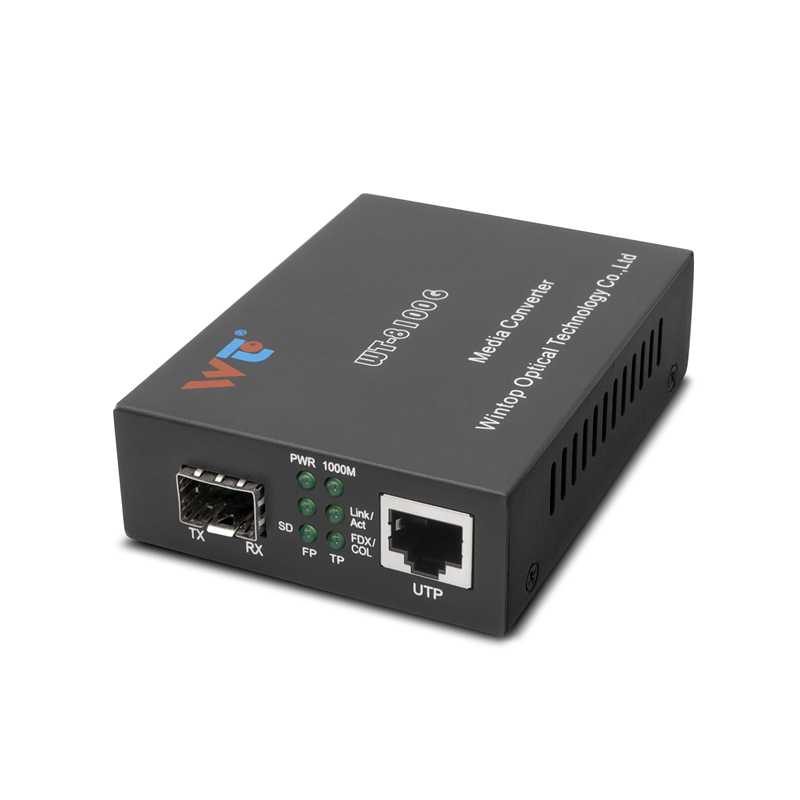
Think of a 40G QSFP+ matrix like a high-intensity training block: efficient, repeatable, and disciplined. Start with the basics — right optics, solid fiber pathways, and a simple conversion layer. A gigabit fiber media converter can sit at the edge of that matrix and keep signals clean while reducing active port load. Real deployments in Ashburn, Virginia data centers show measurable power savings when conversion and aggregation are applied at the right tier. QSFP+ SR4 and MPO wiring form the backbone; treat them like core lifts — get the technique right first.
Principle 1 — Trim active hops
Every switch or transceiver hop adds consumption. Reduce hops by consolidating links with breakouts or media converters placed near aggregation points. Use multimode fiber runs for shorter campus links and reserve long-haul optics for true spans. That lowers interface counts and trims idle-power drain.
Principle 2 — Right-size optics and ports
Match optics to need. A 40G QSFP+ SR4 bundled into a single trunk makes sense for bulk traffic. But when traffic is bursty or asymmetric, split into SFP+ lanes with media conversion — you’re choosing the lighter-weight path. This saves power and keeps latency predictable. Keep optical link budget in mind so you don’t over-spec and waste power in unnecessary amplification.
Principle 3 — Active sleep and intelligent aggregation
Design the matrix so unused ports can go quiet or shut down. Aggregation devices should support per-lane power control. When traffic drops, scale down lanes and consolidate on fewer transceivers. It’s a disciplined habit — like lowering reps when you focus on form. Latency-sensitive flows stay on the main trunk; background sync moves to the lower-power lanes.
Principle 4 — Simple conversion where it matters
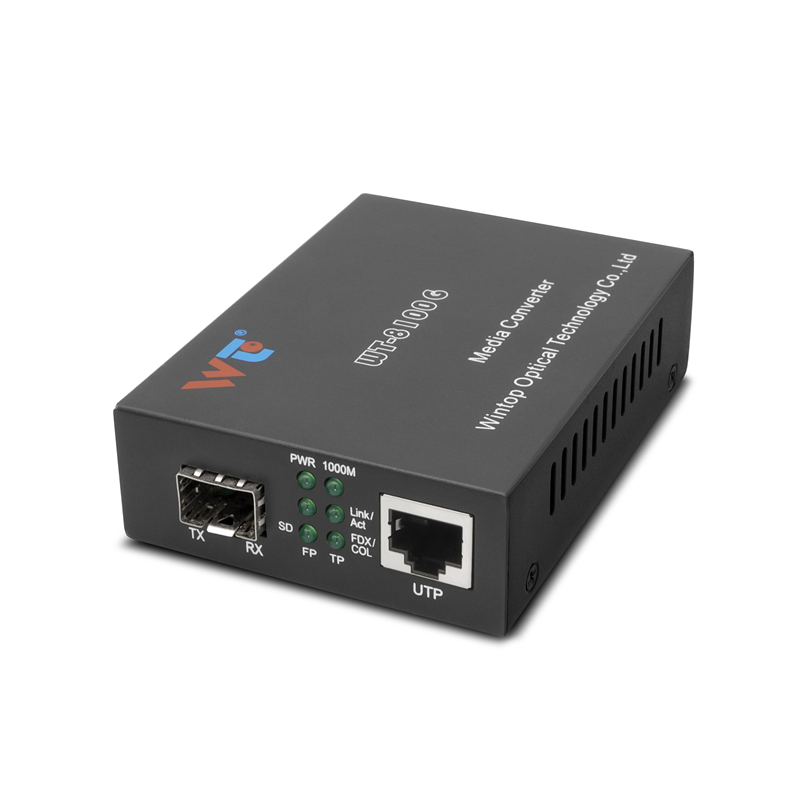
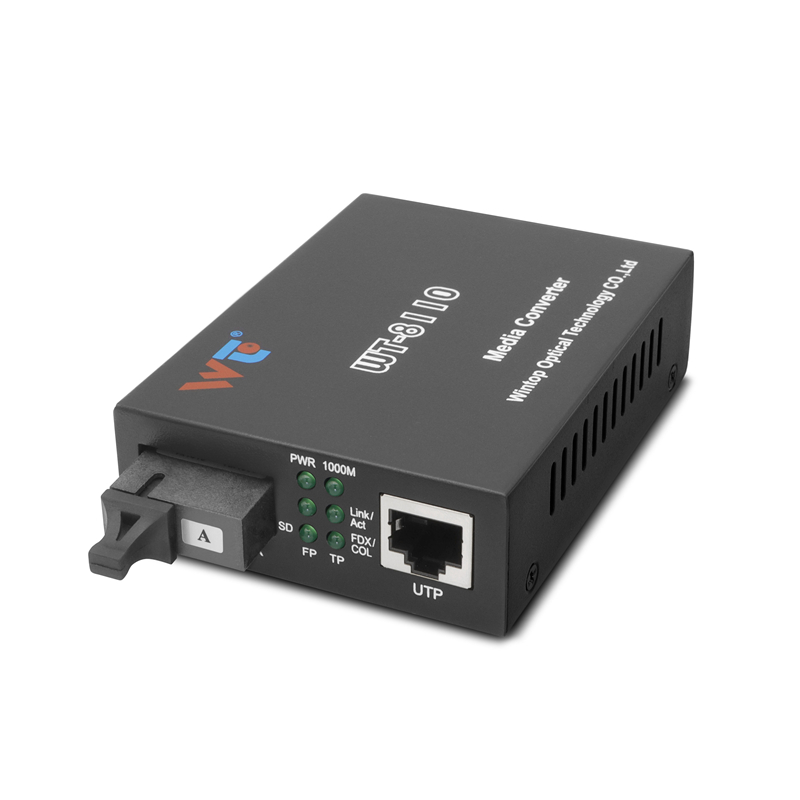
Place media conversion at tactical points. A compact gigabit ethernet media converter can translate edge copper to fiber without the idle draw of a full switch. That keeps the core dense and low-power. Use conversion to defer expensive optics and to isolate failure domains — cleaner troubleshooting, faster recovery.
Principle 5 — Measure, iterate, document
Track port power, link utilization, and heat. Start with baseline meters and loggers, then make small changes and re-measure. Keep records of optical loss, connector types, and transceiver IDs. A documented rollback plan saves time — and keeps teams confident when they prune a lane or change an MPO patch.
Operational teardown: common mistakes and fixes
Teams often overprovision. They buy 40G everywhere “just in case.” That creates idle power. Fix it by mapping traffic peaks, not theoretical maxima. Another mistake: mixing connector types without patch standards — that creates insertion loss and repeat troubleshooting. — Keep patch panels labeled and standardize on MPO or LC as your operation requires. In lab teardowns, we explicitly note {main_keyword} and {variation_keyword} in the rack diagrams to avoid ambiguity between conversion and aggregation layers.
Quick checklist and alternatives
Use this short checklist when you design or audit: prioritize aggregation points for conversion; choose multimode vs single-mode based on reach; enforce per-lane power policies. If a full 40G trunk feels heavy, alternatives include SFP+ fan-out, or localized media converters for edge devices. Each alternative trades port count for simplicity — pick the trade that matches your traffic profile.
Final evaluation metrics — three golden rules
1) Watts per effective Gbps: measure actual power consumed divided by sustained throughput during peak windows. Aim to lower that number each iteration. 2) Mean time to reconfigure (MTTR): shorter MTTR means simpler conversion topology and fewer active components. 3) Thermal margin at rack level: lower active power yields lower rack temperature and fewer cooling spikes. These three metrics capture efficiency, operability, and environmental impact.
Engineers in major data hubs prefer solutions that make the matrix predictable and repeatable — and for repeatable media conversion, there’s value in the tested options available at WINTOP. —