
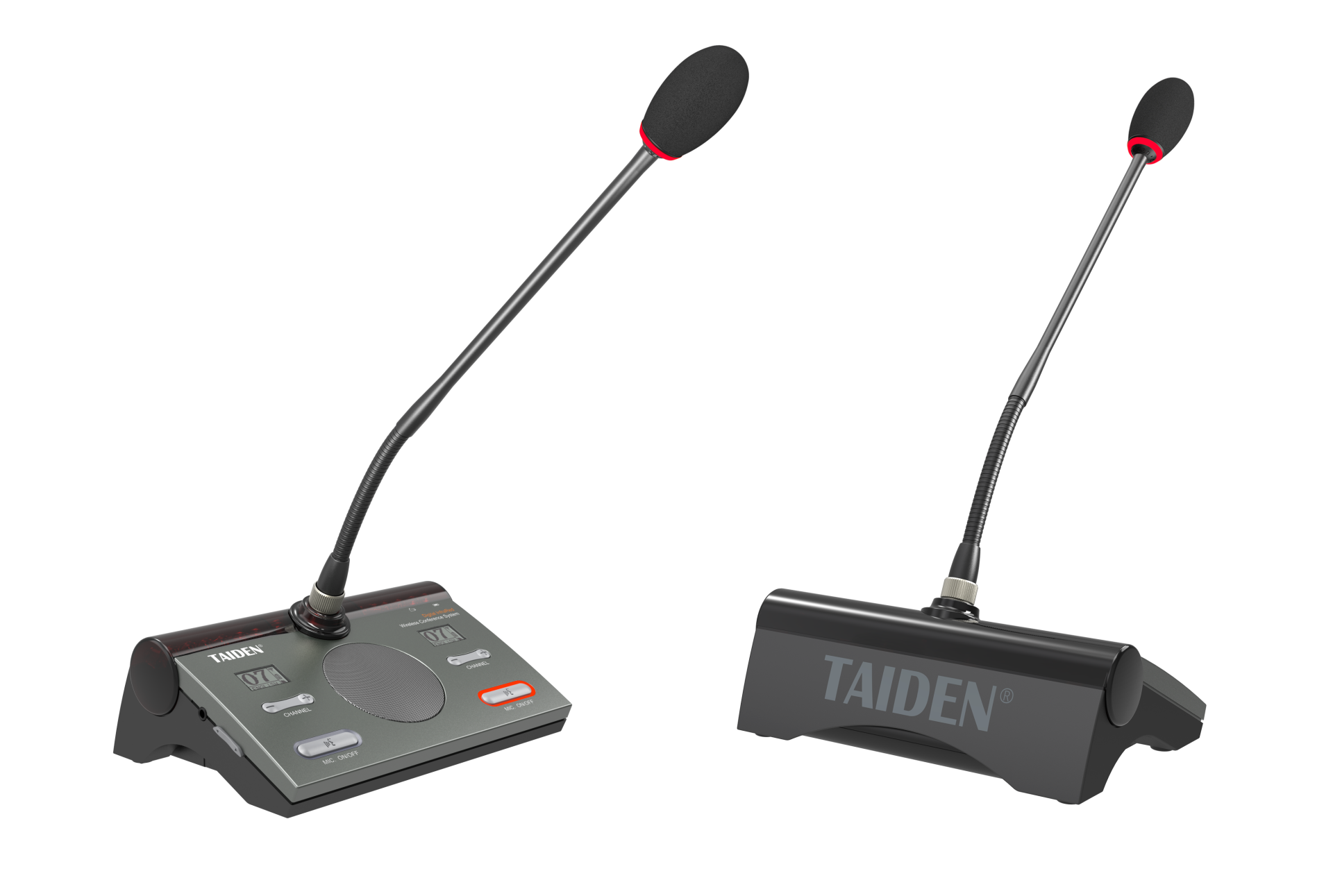
Introduction: A room, a signal, and a choice
Picture this: a quarterly review, twenty minutes behind, twelve people around the table, and two joining from abroad. The team had a modern wireless conference system in a glass-walled room. Yet the audio wavered, words clipped, and side-talk bled in. In post-call notes, 17% of key phrases were marked “unclear” by attendees, and three action items were misheard. Why did the signal falter when the bars looked full? The answer sits in small choices—spectrum selection, codec settings, and microphone placement—that act like hidden levers on speech clarity.

In a busy office, RF traffic is a crowd. Wi‑Fi 6, DECT phones, and visitor hotspots all shout for air. A system that lacks proper channel agility or QoS can slip into packet loss fast. Add a narrow-band codec or a sluggish jitter buffer, and the result is choppy speech. Even good beamforming cannot fix a bad link budget. The core idea is simple: signal discipline first, clever processing second (order matters). Let us put those parts under a fair light, and see how small design choices create big listening gains—then we can compare what to change next.
Hidden Pain Points in Daily Use
What are we missing in day-to-day meetings?
Users often blame “the room” when the issue is actually choice of device class and setup. A digital wireless discussion device lowers chair-to-chair friction, yet it also exposes gaps that wired desks once hid. Latency budget grows when the RF front-end fights with congested channels. The codec then trims bits to cope, and the jitter buffer stretches. People hear a soft echo or talk over one another. Meanwhile, QoS tags may not survive a busy access point. Encryption, such as AES-128, adds little delay by itself, but poor implementation can. Look, it’s simpler than you think: measure end-to-end delay under load, not in an empty room.
There is more. Gain staging is often wrong at the source. Hand-held handling noise triggers AGC, which pumps the room. When the floor mic is too hot, the DSP chases breaths, not voices—funny how that works, right? Power planning also bites: ageing power converters in bases can inject hiss, which a noise gate chops into audible “breathing.” Users then raise levels and make the RF link work harder. The fix is dull but solid. Set gain at the capsule. Keep the jitter buffer consistent. Log packet error rate. And train the team to park mics away from laptop fans. Small habits protect intelligibility better than any poster on the wall.
The Comparative Edge: Principles that Lift Tomorrow’s Meetings
What’s Next
Moving forward, the winners will blend robust radio practice with smarter processing. New stacks use OFDM with dynamic frequency selection to dodge bursts. Some even coordinate through local edge computing nodes in the room hub. That lets them steer beamforming and echo control in near real time. Pair this with wideband or LC3plus-class codecs, and you preserve consonants that carry meaning. A modern wireless conference room microphone and speaker system can now profile the room, tag interference sources, and adapt its latency to the task—short for debate, longer for streaming. Power is part of this story too; efficient power converters keep noise floors calm, so the RF chain works cleanly. The result is steadier STI scores and less listener fatigue (your note-taker will thank you).
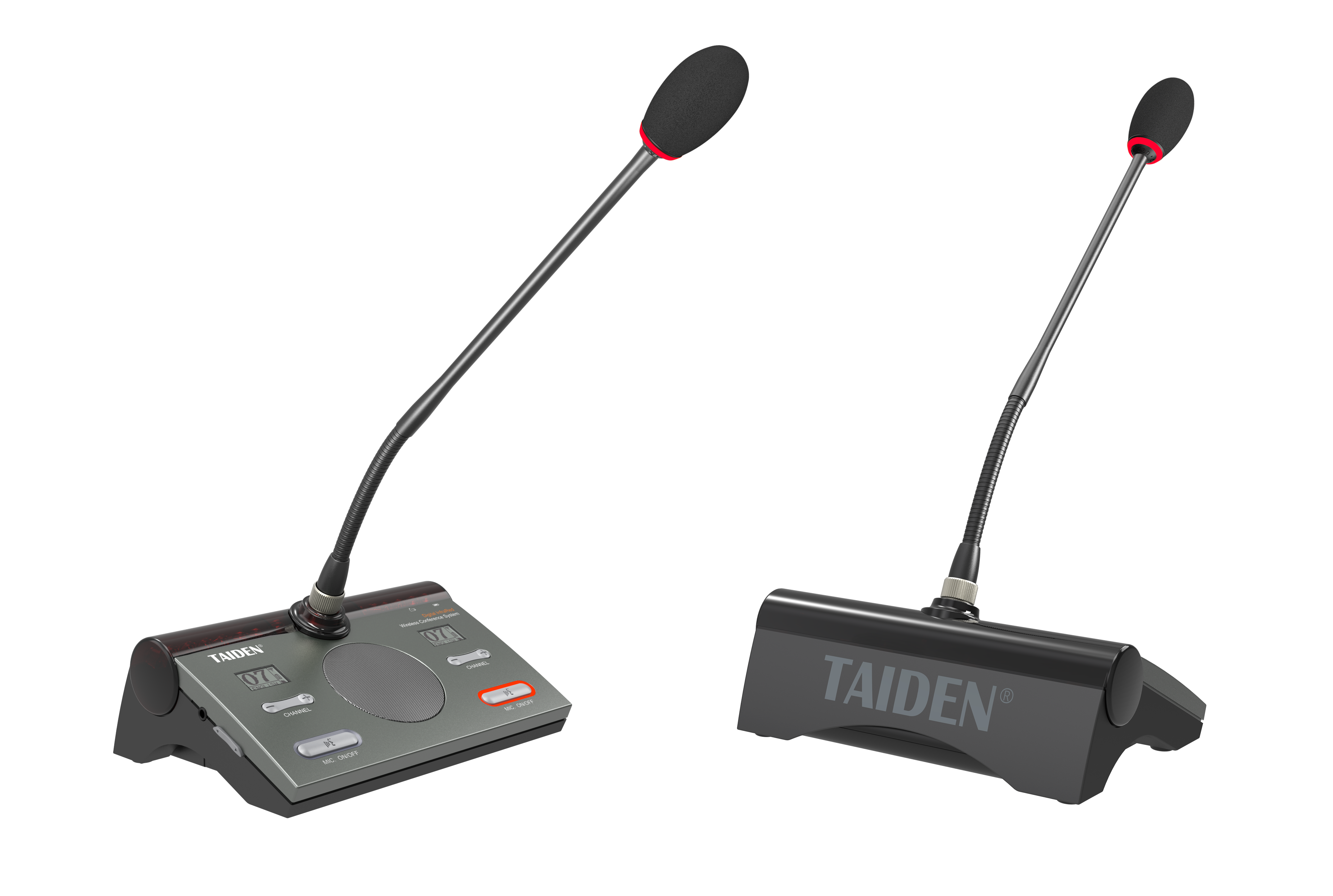
To choose well, compare systems in like-for-like stress. First, verify latency under mixed traffic, not just a lab ideal. Second, listen for artefacts when packet loss hits 3–5%; a good design degrades gracefully. Third, check coexistence: Wi‑Fi, DECT, and visitor hotspots all on at once. If a platform keeps QoS stable and the RF front-end agile, you get fewer dropouts and clearer turns. In short, we learned that signal choices shape speech more than raw loudness. Better channels, better codecs, better habits. That is the path. And if you want a grounded starting point, keep an eye on brands that publish real metrics and field logs, such as TAIDEN.