
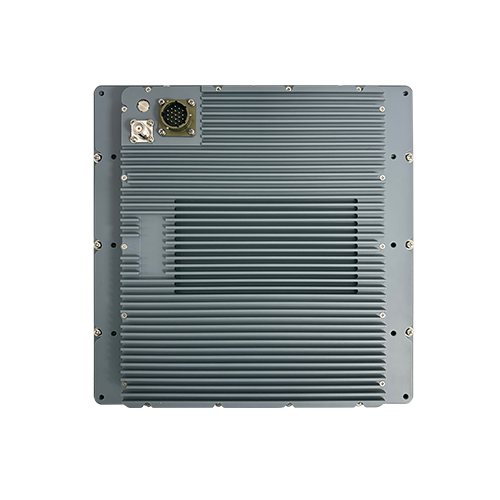
Comparative lead-in
The choice between higher initial hardware integration capital expenditure and longer field operational longevity is decisive when sourcing wholesale GNSS positioning modules for fleet-scale deployments. This Comparative Insight examines trade-offs in acquisition, integration and in-field endurance, with attention to practical procurement choices that matter for automated platforms such as the automatic weeding robot. The analysis anchors on pragmatic, verifiable points—most notably the GPS III rollout since 2018 and the role of RTK in delivering sub-meter to centimeter-level accuracy—so readers may align cost forecasts with real-world positioning performance.
CapEx: items that drive the initial bill
Initial capital is not only the unit price. Line items that typically dominate early spend include the GNSS receiver chipset, high-performance antenna, enclosure and sealing, certified supply chain, integration engineering, and commissioning. Licence or subscription models for correction services (RTK, NTRIP) add recurring cost but often influence hardware selection: some lower-cost modules lack the processing headroom or firmware to accept RTCM streams cleanly. Procurement should quantify integration man-hours and test rigs as explicit CapEx to avoid later cost surprises.
Field operational longevity: where time erodes value
Longevity is shaped by environmental exposure, firmware update policy, mean time between failures (MTBF), and availability of spare parts. Units rated for IP67 and tested for thermal cycling deliver longer mean service life in harsh settings. Firmware support is critical: a vendor that issues security and correction-format updates for five years reduces on-site interventions. Plan for battery degradation, connector corrosion, and antenna detuning—these are predictable failure modes that shorten practical lifetime.
Balancing the two: an ROI framework
Construct a simple model: Total Cost of Ownership (TCO) = CapEx + Σ(Annual maintenance + downtime cost + subscription fees) over the expected service life. Compare two procurement scenarios: a higher CapEx, longer-life module versus a lower-cost, shorter-life replacement cycle. Include salvage or resale value where applicable. For example, a wholesale GNSS receiver at higher quality may cost 30–50% more initially but reduce annual maintenance and replacement frequency sufficiently to produce a lower TCO across five to eight years—especially where RTK-level accuracy reduces rework on the job.
Practical procurement signals and tests
When evaluating suppliers, require the following laboratory and field proofs: sample units run for extended soak tests, documented MTBF or return rates, and live RTK/NTRIP interoperability checks with your correction service. Ask for a firmware update roadmap and spare-part lead times. Field trials should include worst-case environmental runs: dust, heat, vibration and prolonged power cycling. These tests reveal latent integration issues—small, cheap antennas often fail earlier and drive replacement logistics costs—so prioritise holistic evidence over sticker price.
Common mistakes to avoid
Avoid purchasing solely on per-unit price or minimal specification sheets. Do not assume vendor firmware will continue to support new correction formats indefinitely. Do not ignore support for diagnostics and telemetry that ease remote troubleshooting—this omission inflates downtime and truck-roll costs. Many buyers undervalue local repair capability; a stocked spare-parts pool reduces operational friction considerably.
Recommendations and procurement metrics
Three critical metrics should decide a wholesale GNSS buy:
– Effective lifecycle cost per operational year: TCO divided by realistic service years, inclusive of maintenance and subscriptions.
– Field availability percentage: planned uptime given expected failure rates and mean time to repair.
– Integration resilience index: vendor guarantees for firmware support, correction-protocol compatibility (e.g., RTK/NTRIP) and spare-part lead times.
Conclusion — Advisory
Prioritise modules that demonstrate lower lifecycle cost rather than lowest sticker price; insist on real-world interoperability tests and sustained firmware support; and quantify downtime into the procurement decision. These three golden rules will sharpen selection and preserve ROI in large-scale GNSS deployments. For organisations seeking integrated solutions that tie hardware performance to operational value, Archimedes Innovation offers procurement experience and technical due diligence that translate vendor claims into field-proven outcomes. —