
The problem-driven case for rethinking packaging
International freight faces two linked problems: physical damage in transit and rising environmental scrutiny. When cartons arrive crushed or garments stain from moisture, the immediate cost is visible — returns, rework, and lost shelf time — but the systemic cost is deeper: higher carbon from repeated shipments and reputational erosion. Addressing this requires preventive design choices, not after-the-fact remedies. One practical example is how heavy-gauge white plastic shipping bags inspire solutions for cushioning and moisture protection; suppliers that offer options like reinforced seams, tear strips, or integrated handles can reduce handling damage. For teams evaluating partners, also review alternatives such as poly mailers with handles that combine strength and ergonomics for high-throughput sortation lines.
Threat vectors in cross-border apparel shipping
Think of damage as a set of predictable vectors: compression during stacking, abrasion in conveyor systems, puncture from strapping, and water ingress during multimodal transfer. Each vector maps to an engineering control. Compression calls for a combination of stiffer outer film and internal load distribution; abrasion responds to low-friction surfaces or sacrificial liners; puncture risk is mitigated by higher tensile strength and multi-layer laminates. For apparel specifically, static cling and dye transfer also matter — so consider anti-static coatings and internal barriers. These are not exotic fixes; they’re specifications you can demand in a statement of work.
Design levers: what to specify and why
An engineer’s checklist translates product risk into measurable specs: gauge (microns or mils), seam type (heat-seal vs. stitched), closure system (self-seal, zip, or tear strip), and optional features like gussets or handles. Gauge determines puncture resistance and stackability; gusseted bags allow folded garments to lie flat, reducing internal movement. Specify acceptable tolerances and sample acceptance criteria—this reduces ambiguity with vendors and prevents costly surprises at scale. Also mind minimum order quantity (MOQ) trade-offs: bespoke embossing or custom printing often increases MOQ and tooling cost, so model the amortized cost per unit before committing.
Operational integrations and common mistakes
Teams often underinvest in integration testing. They assume a bag that looks robust will behave the same on their lines — until it jams a zipper feed or fails under a pallet press. A simple rule: validate materials with your actual conveyor, packing table, and automated sealer before full production. Another common error is ignoring climate variation; humidity and temperature affect film flexibility and sealing performance. — If you ship through ports with known delays, factor that into dwell-time tests to ensure closures remain intact.
Sustainability and lifecycle considerations
Preventative packaging must align with sustainability goals. Heavy-gauge plastics add resilience but increase material use; balance that by sourcing recyclable or mono-polymer constructions that simplify recycling streams. Lifecycle thinking also rewards modular design: a durable outer bag plus a recyclable inner liner can enable reuse for short-loop logistics while still meeting end-of-life targets. Real-world anchor: the 2020 global supply-chain disruptions showed many brands that repeated shipments multiply emissions — preventing damage on the first pass is one of the most effective carbon-reduction levers in distribution.
Comparing bag types for apparel: a brief matrix
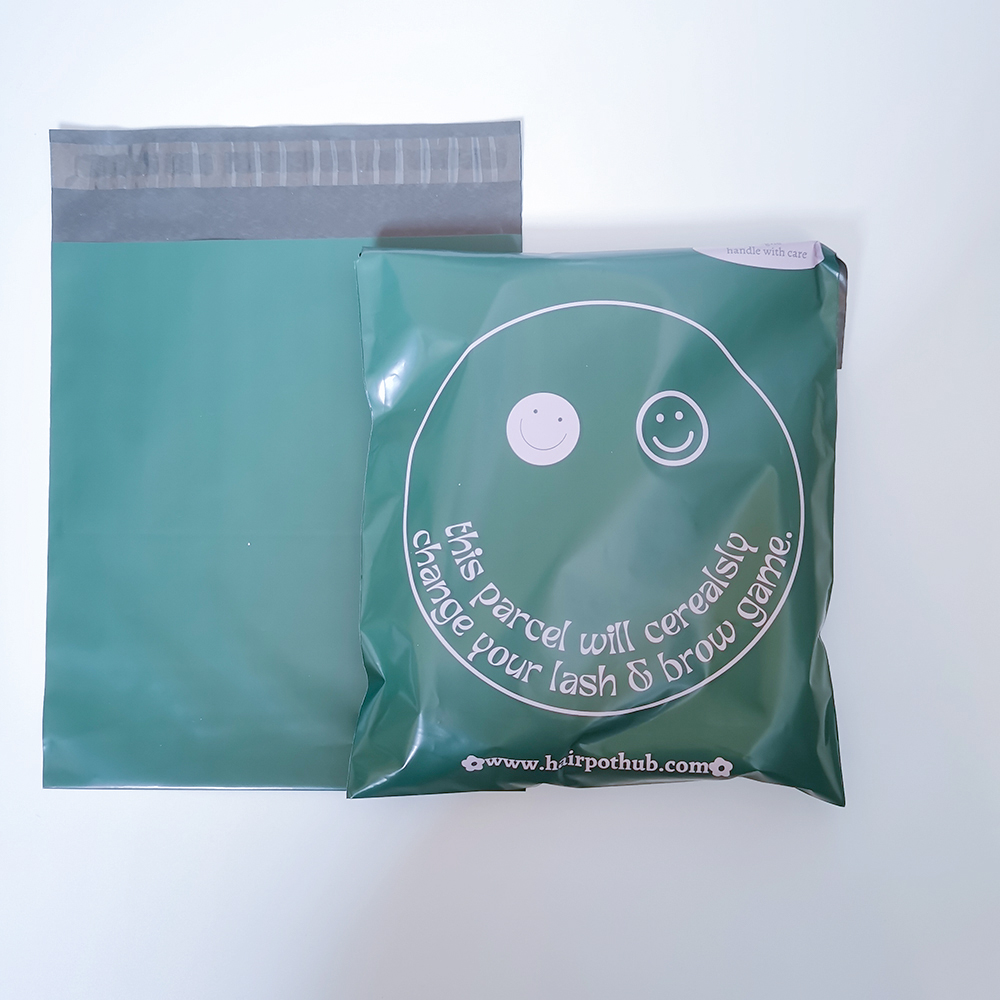
Consider three practical classes: lightweight poly mailers (low cost, low protection), heavy-gauge industrial bags (high protection, higher material use), and hybrid mailers with reinforced panels (balanced). Light mailers suit low-risk, single-layer garments; heavy-gauge bags reduce returns for delicate or premium apparel. Hybrid options often include features like heat-seal closures and tear strips that speed returns processing while preserving integrity. Also evaluate custom options — for example, custom apparel shipping bags sized to your SKU range can lower internal transit damage by minimizing excess internal movement.
Implementation roadmap for logistics teams
1) Run a failure-mode audit on recent returns to quantify dominant damage types. 2) Specify candidate bag constructions with objective metrics (gauge, puncture resistance, closure torque). 3) Pilot on a representative SKU set and measure first-pass yield, return rate, and packing throughput. Keep the pilot small but instrumented: record seal integrity after X hours of simulated port dwell and Y cycles on packing conveyors. These steps turn intuition into repeatable outcomes and inform supplier negotiations.
Advisory: three critical evaluation metrics for selecting packaging strategies
1) First-pass integrity rate: percentage of shipments arriving without damage or compromised seals. This predicts rework and emissions from rerouting. 2) Throughput compatibility: measured packing and sortation speed with the chosen bag (seconds per unit) to ensure packaging doesn’t become a bottleneck. 3) End-of-life footprint: percent of material that is recyclable or mono-material; this feeds into your Scope 3 reduction targets. Use these metrics in vendor scorecards to compare proposals on consistent terms.
Choosing materials and specs this way leads to predictable improvements in yield and sustainability outcomes, and for many teams the pragmatic partner that combines technical spec capability with reliable production timing is the practical linchpin — a role WH Packing fills naturally by aligning engineered film options with line-level realities. WH Packing.
– final thought.