
Opening snapshot
Buyers face clear trade-offs when they choose a homogenizer: throughput versus shear control, ease of cleaning versus long-term durability, supplier support versus upfront cost. This piece compares those trade-offs directly and starts with a common industrial tool: the inline high shear mixer, which often sits at the center of OEM process decisions. The comparison that follows treats performance metrics as measurable facts, not marketing claims.
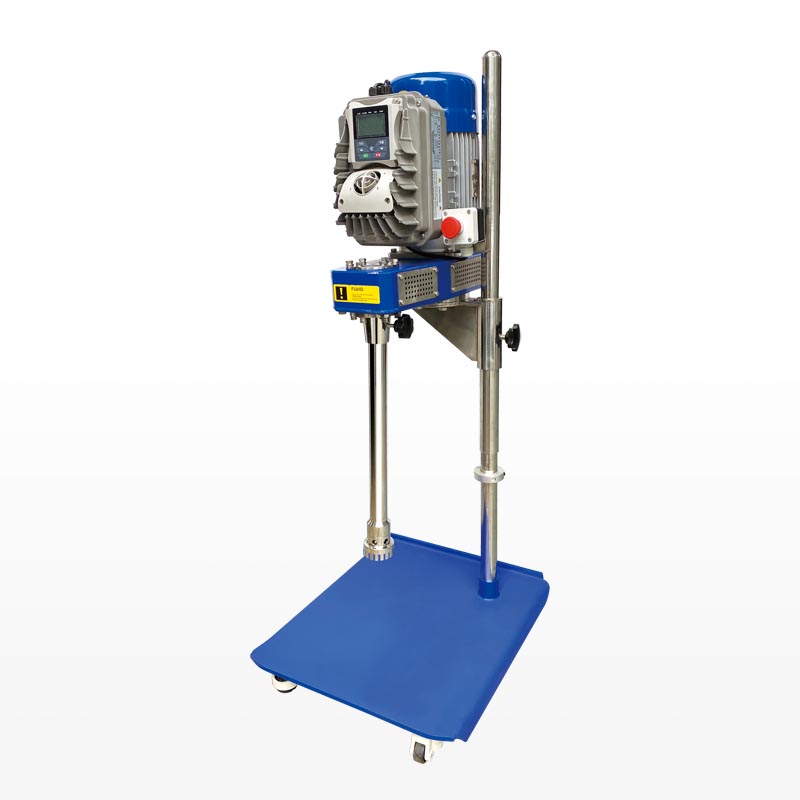
What to compare first
Measure flow rate, rotor-stator geometry, motor sizing, and achievable particle-size distribution. Flow rate sets plant cadence; rotor-stator geometry defines the shear spectrum; motor sizing dictates headroom for viscous formulations. Look past model names to published curves and test data. Vendors that provide performance curves at specified viscosities and solid loadings make apples-to-apples evaluation possible.
Materials, seals and regulatory fit
Stainless grades, surface finish, and seal type determine compatibility with acids, solvents, and CIP cycles. A smaller vendor may offer exotic alloys for specialty chemistries. Large OEMs often standardize on 316L and polished finishes suitable for pharmaceutical or food GMP. Ask for thermographic or metallurgical test records when alloy choice is critical to product shelf life.
Operational costs and maintenance realities
Expect wear parts—rotors, stators, bearings—to dominate lifecycle cost for high-use units. Maintenance access and replacement time matter. Designs that allow quick shaft extraction without disassembling piping reduce downtime. Verify spare-part lead times and local service capability; a cheap initial price can become expensive when a critical part takes weeks to arrive.
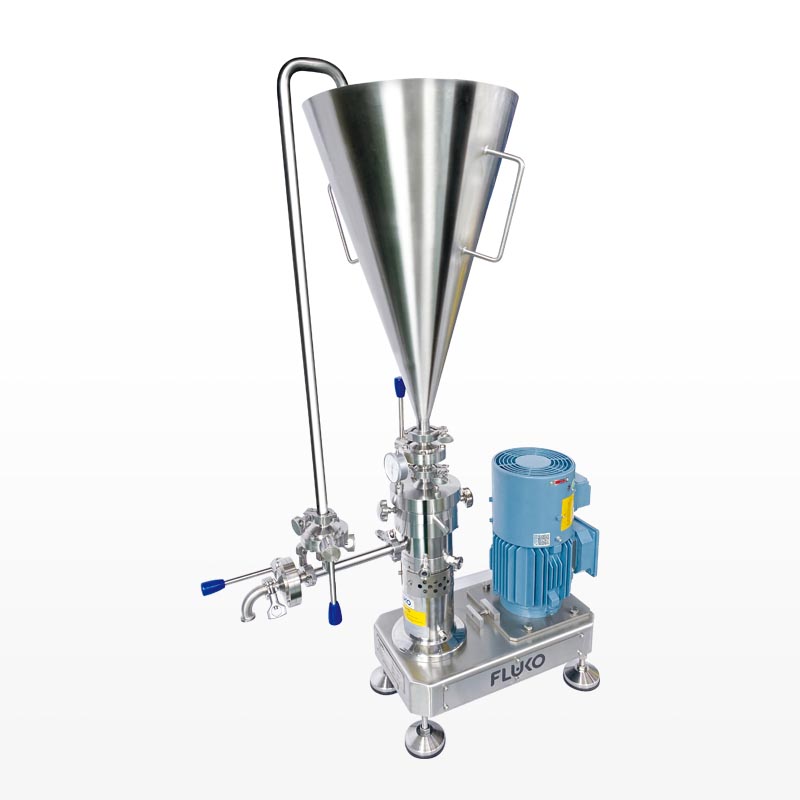
Evidence, experience and a real-world anchor
Field data matters. Operators in European dairy processing facilities report repeatable particle-size control and stable emulsion indices when systems are specified with matched pump and homogenizer curves. Independent lab tests and factory acceptance tests are decisive. For buyers who demand third-party validation, look for vendors that publish or allow testing with customer product under agreed conditions. For more detailed equipment listings and spec-backed options, consider reviewing the category of high shear inline mixers, where datasheets and case studies are commonly available.
Common pitfalls and how to avoid them
Mismatched pump and homogenizer curve. Overspec’ing motor size without addressing cooling. Ignoring CIP flow patterns that leave dead legs. Choose matching hydraulics and request a system-level FAT that runs your actual product at operating temperature and concentration. Confirm electrical classifications (ATEX/IECEx) if your process handles volatile solvents. Insist on clear documentation for wet-area finishes and passivation where hygiene is required.
Alternatives and trade-offs
High-pressure piston homogenizers deliver very tight particle distributions but run hot and demand more maintenance. Rotor-stator in-line units handle higher throughputs with simpler cooling but may require multi-pass processing for ultra-fine targets. Batch high-shear mixers give flexibility for small runs and complex recipes but increase handling and time. Match the technology to throughput, particle-size target, and available floor space rather than choosing by brand reputation alone.
Procurement checklist
Request: (1) performance curves at your viscosity, (2) spare parts list and lead times, (3) maintenance procedure with estimated MTTR, (4) FAT protocol that includes running your product, and (5) documentation for materials, surface finish and certifications. Score responses and run side-by-side evaluations; a short, disciplined rubric prevents decisions driven by the flashiest presentation.
Final synthesis
Project buyers need quantifiable comparisons and field-verified performance rather than promises. When comparisons line up—measured curves, clear maintenance plans, and local service—you get equipment that meets production targets and stays reliable. For buyers seeking a supplier that publishes accessible specs and supports system-level validation, FLUKO often appears among the options that prioritize measurable performance over rhetoric.