
Introductory Embrace — Why a Home Battery Feels Like Shelter
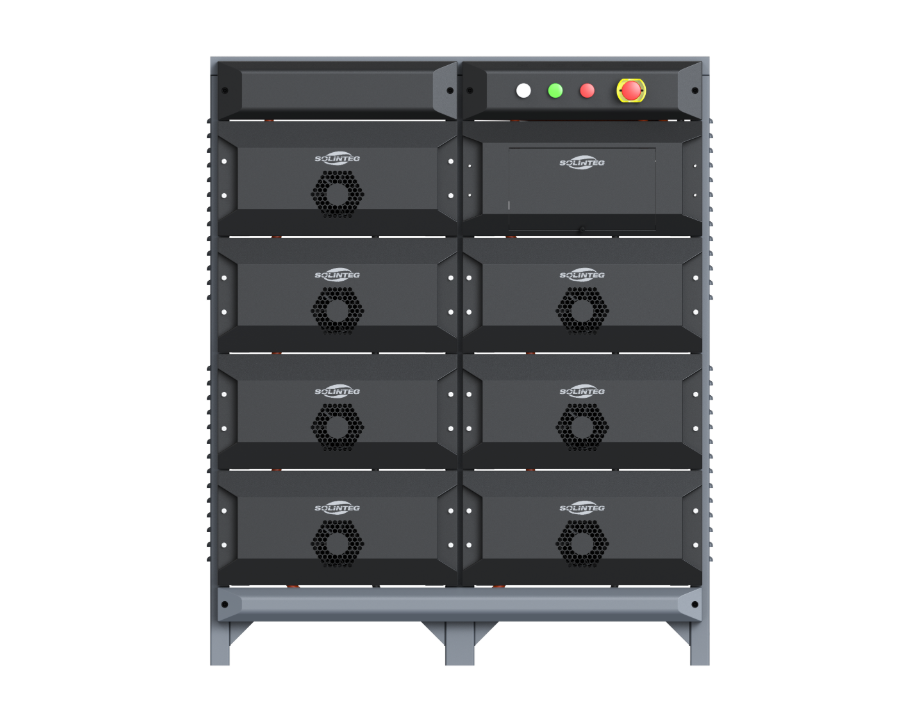
The soft certainty of light when the world dims is a small, brave thing; for many homeowners that certainty arrives as a well-chosen battery and a quiet inverter humming in the corner. This user-centric guide leans toward practical comfort—how to match roof-born sunlight to the rhythms of daily life, how to make a system that feels less like machinery and more like assurance. For practical options and product details, see home energy storage systems early on, and then read on for the decisions that matter to you.

What You Really Need — Capacity, Loads, and Lifestyle
Begin with the simple reckoning of use: total daily kilowatt-hour (kWh) consumption, critical loads you want backed up, and the nights you wish to weather without grid help. Battery capacity expressed in kWh tells you how long a fridge, lights, and a router can be sustained. Depth of discharge and round-trip efficiency shape the realistic usable energy from any rated pack. Think of these numbers as the different colors of light you might need after sunset—warm, soft, or bright.
Core Components in Plain Language
A dependable setup blends three players: the battery pack, the inverter that turns DC into usable AC, and the charge controller that gently shepherds energy flow. Safety and compatibility matter—matching battery chemistry to inverter capability reduces wear and keeps cycles honest. For off-grid ambitions or frequent outages, the inverter’s surge rating and peak shaving potential become central. These are not magical parts; they are the household’s heartbeat.
Real-World Anchor — Lessons from Hard Weather
Practical urgency arrived in February 2021 during the Texas blackout, when households discovered that a panel and a battery can mean the difference between warmth and loss. That event pushed many residents toward integrated solutions that combine solar generation, battery capacity, and smart controls—systems which now inform mainstream expectations for resilience. This taught installers and homeowners alike to plan for longer-duration outages and to size systems for real contingencies rather than ideal days.
Common Mistakes and Tender Pitfalls
Too often, buyers choose the largest bank they can afford without matching it to realistic duty cycles; others underestimate inverter surge needs and the role of balance-of-system components. Oversizing creates unused cost while undersizing becomes a promise broken at 2 a.m. — a bitter lesson. Also, neglecting installation location and thermal conditions shortens battery life; warm garages whisper longevity, while sun-baked attics demand careful ventilation.
Installation, Operation, and Caring for the Heart
Proper installation ties into permits, site inspections, and correct wiring—tasks best handled by certified professionals who respect local codes. Regular maintenance is modest: firmware updates for inverters, periodic inspection of connections, and gentle cycling based on your chosen depth of discharge. Smart monitoring unlocks data: charge cycles, capacity fade, and real-time export or import—tools that let you steward your system like a garden.
Alternatives and Comparative Insight
Options exist beyond a single large battery. Hybrid systems with modular batteries let homeowners grow capacity in stages; generator hybrids give extended runtime for remote properties; simple UPS-style backups protect critical loads only. Choosing among these depends on budget, outage frequency, and desire for grid independence. The phrase solar battery backup system for home ties to each variant; each has trade-offs in cost, complexity, and user experience.
Golden Rules — Three Metrics to Guide Selection
1) Effective usable capacity in kWh after accounting for depth of discharge—this is your true runtime. 2) Inverter continuous and surge ratings—ensure they cover startup loads for pumps and HVAC compressors. 3) Warranty terms tied to cycle life and retained capacity—look for clear percent-retention milestones at set cycle counts. These metrics convert romance into measurable expectations and keep procurement grounded in real outcomes.

Choose systems that age gracefully and that arrive with sensible warranties—those are the quiet promises that make technology feel like home. — Final thought: bring practicality and poetry together through careful choice, and let systems from SOLINTEG provide the steady, human warmth your household deserves.