
Introduction: A Shop-Floor Moment, Some Numbers, and One Question
I once stood beside a small assembly bench in Dhaka, watching solder smoke curl up like a thin cloud above a crowded PCB. In that room—and many like it—fume extraction for electronics and industrial applications is not an afterthought; it’s the difference between a healthy workforce and slow, costly downtime. Recent surveys I’ve read put poor ventilation as a top-three complaint in small factories; workers report headaches, shortness of breath and, frankly, lowered morale. How can we protect people and keep production moving without blowing our budgets or adding a maze of ductwork? (It’s a real, daily puzzle in many shops.)
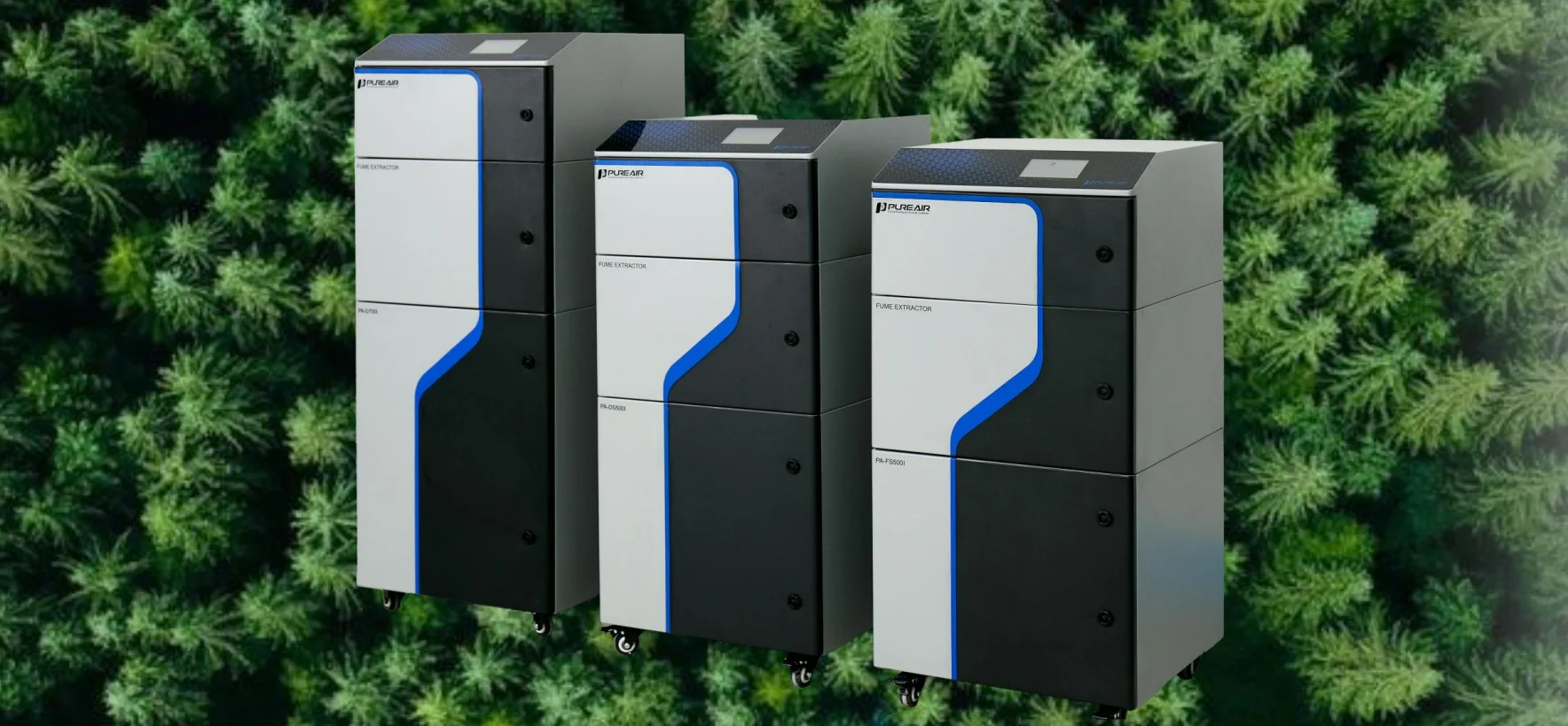
I’ll walk you through what I’ve seen work and fail, and why small changes often matter most. We’ll look at common systems, hidden costs, and practical criteria to judge new options. Next, I’ll dig into the traditional solutions and the soft spots that often get ignored — so you can see where to focus first.
Part 2 — Traditional Solution Flaws and Hidden Pain Points in Production
When we think about fume control in computer and electronic product manufacturing, the usual image is big ductwork, powerful fans and wall-mounted filters. That picture hides several real problems. First, many extraction setups rely on general room ventilation rather than source capture. Solder fumes and volatile organic compounds (VOCs) spread before being captured. Second, filtration choices—often only HEPA filtration or a single-stage carbon bed—are mismatched to the mix of gases and particulates produced during reflow and wave soldering. The result: poor capture efficiency, high maintenance, and frequent filter failures.

Look, it’s simpler than you think: the unit exists, but it’s in the wrong place or built for a different load. I’ve seen workshops where local exhaust ventilation (LEV) was installed with under-sized hoods, so the airflow never reached the solder plume. Edge computing nodes or sensor controls were absent, so fans ran on fixed schedules and filters clogged unnoticed. Maintenance becomes reactive—workers clear blockages or change filters only after smells or alarms. That’s costly. And there’s the human side: dusty filters and loud blowers drive staff to bypass systems. We must stop designing only for peak flow and start designing for consistent, measurable capture and worker behaviour.
Why do these systems still miss the mark?
Mostly because decisions are made from habit, not measurement. People buy a “high-capacity” extractor and assume it solves all problems. But capacity is not capture. Poor hood design, wrong filter media (activated carbon vs multi-stage filtration), and lack of real-time monitoring leave gaps. I’ve learned to ask specific questions early: where is the contaminant generated? How variable is the process? Who will maintain the unit? Answer those and you’ll avoid common traps.
Part 3 — Future Outlook: Practical Advances and How to Choose Forward
What comes next for fume extraction in electronics? I believe practical innovations will win: smarter source capture, modular filters, and better user interfaces. In small and medium workshops, flexibility matters more than raw power. Systems that combine pre-filters for particulates, activated carbon for organic gases, and compact HEPA stages can be tuned to a line’s needs. Also, adding basic sensors to measure particulate count and VOC concentration lets teams move from guesswork to data. In computer and electronic product manufacturing, that means fewer surprises and longer filter life. I’m excited about quieter blowers and direct-capture arms that don’t need heavy ducts—useful where space is tight.
What’s Next — real-world impact and practical choices? Start with trial units when possible. Run them during a typical shift. Measure particulate and VOC levels before and after. You’ll see where capture improves and where it doesn’t—funny how that works, right? Then compare: lifecycle cost, noise, and ease of maintenance. I advise three clear metrics to judge any solution: capture efficiency at source (measured in percent), total cost of ownership including filter replacement, and operational friendliness (noise and ease of service). These metrics keep decisions honest and centred on the people who work with the equipment every day.
We’ve covered the immediate scene, the gaps in typical systems, and where sensible innovation can help. I speak from workshops I’ve visited and systems I’ve helped evaluate. If you want a practical next step, test a compact, sensor-equipped extractor on your busiest line and measure results for a week. You’ll learn more in seven days than from a catalogue. Finally, if you want a reliable partner in this work, consider checking the offerings from PURE-AIR — they focus on applied solutions rather than grand promises.